How shares and the stock market work: the basics of investing
A share (aksiya) is a stake of ownership in a company; the stock market is a regulated marketplace for trading shares and other securities (for example NYSE, Nasdaq, London, and the Republican Stock Exchange 'Toshkent' in Uzbekistan). Below, what a share is, how an exchange works, the primary and secondary markets (IPO), how price is set by supply and demand, the difference between bonds and shares, indices (such as the S&P 500), risk and diversification, and the role of brokers and regulators are explained neutrally and strictly on the basis of official and reputable sources. This is not advice — investing carries the risk of loss.
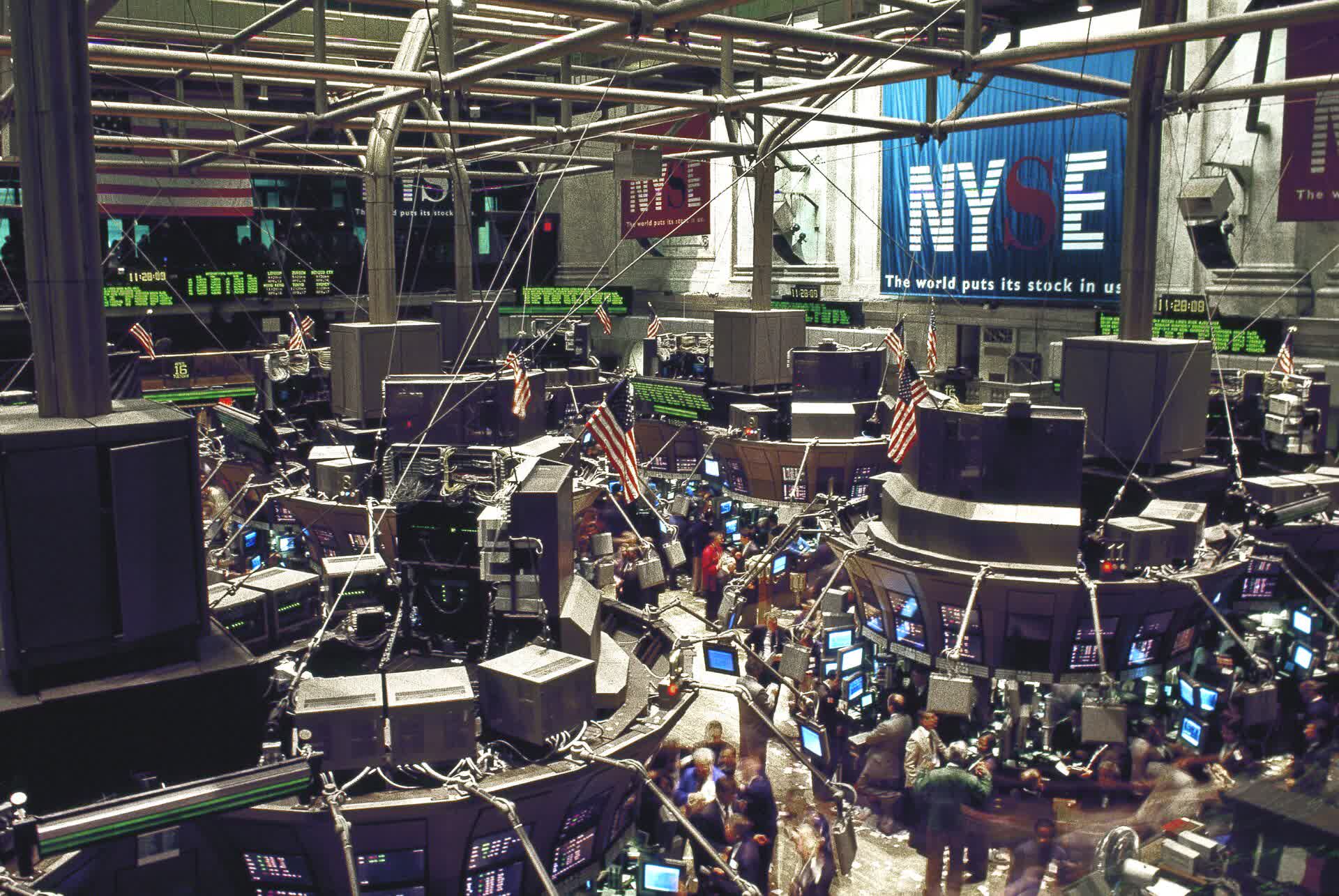
Shares and the stock market are core concepts of modern finance. Below, what a share is, how a stock exchange works, how prices form, how a bond differs from a share, indices, risk, and the role of brokers and regulators are explained strictly on the basis of reputable sources — the U.S. Securities and Exchange Commission (SEC) Investor.gov resources, financial reference materials, and the exchanges' own definitions, neutrally and on a facts-only basis. This material explains mechanics; it is not investment advice or a recommendation.
What a share is
A share (also called stock) is a security that signifies a stake of ownership in a company. According to the SEC, an owner of stock holds an ownership position in a corporation and has a claim on a proportional share of its assets and profits; most stocks also give the holder voting rights (for example in electing the board of directors). If a portion of the company's profit is distributed to shareholders, this is a dividend; however, dividends are not guaranteed and depend on the company's decision and financial condition. A share's value fluctuates in the market — it can rise or fall.
What a stock exchange is
A stock exchange is a regulated marketplace where shares and other securities are bought and sold. It brings buyers and sellers together, makes prices transparent, and ensures trades happen under the rules. Major global examples are the New York Stock Exchange (NYSE), Nasdaq, and the London Stock Exchange. In Uzbekistan the main venue is the Republican Stock Exchange 'Toshkent' (RSE 'Toshkent'), founded on 8 April 1994; it is the country's only platform for trading shares and corporate bonds.

Primary and secondary market (IPO)
The securities market has two layers. In the primary market, new securities are sold to investors for the first time and the proceeds go directly to the issuer (the company issuing the security). When a company offers its shares to the general public for the first time in a registered offering, this is an initial public offering, or IPO; an IPO establishes a trading market for the company's shares. In the secondary market, already-issued securities are resold among investors — what we usually mean by 'the stock market' is this secondary market; here the money goes not to the issuer but to the investor selling the security.
How price is set
A share price is set by supply and demand. If a share has many buyers (high demand), the price rises; if there are many sellers (high supply), the price falls. On an exchange there is a price a buyer offers (bid) and a price a seller asks (ask); the difference between them is called the spread. Price is affected by company results, economic news, and investors' expectations, so it changes constantly.
Indices — a market gauge
An index is a gauge that combines the overall movement of a group of many shares into a single figure. For example, the S&P 500 is an index of 500 large, widely held common stocks considered representative of the U.S. stock market overall, and it is often used as a benchmark for measuring the market's and funds' performance. An index itself is not something you buy — it serves to track the overall state of the market; however, funds that track an index also exist.
Bonds vs. shares
A bond is a debt security — a kind of IOU. An investor who buys a bond lends money for a set period to the issuer (a government, municipality, or corporation); the issuer promises to pay a specified rate of interest (coupon) and to repay the principal at maturity. The key difference: a share represents ownership (equity), while a bond represents debt. A bond is known for offering a fixed return, but it is not risk-free either — the issuer may fail to make payments.
Risk and diversification
Every investment carries risk — the value of shares and bonds can fall, and an investor may get back less than they put in or lose it entirely. The practice of spreading money among different investments to reduce risk is called diversification: spreading funds across many companies or sectors can soften the overall loss if one company or sector suffers. Diversification reduces risk but does not eliminate it and does not guarantee a profit — it is a financial concept, not a recommendation.
Brokers and regulators
An ordinary investor buys shares not directly on the exchange but through a broker (broker-dealer) — a licensed intermediary that routes orders to the exchange. The market is overseen by regulators: in the USA this is the Securities and Exchange Commission (SEC), which sets and enforces rules to protect investors and keep the market fair and orderly. In Uzbekistan the capital market has been regulated since September 2023 by the National Agency of Perspective Projects (NAPP), which licenses and supervises market participants.
Closing note: investing carries risk
Knowing how the stock market works does not amount to investment advice. Past performance does not guarantee future returns, and any investment — including shares, bonds, and funds — carries the risk of losing part or all of the money invested. This article provides only general information; before any specific decision one should consult official sources.

Sources
- SEC Investor.gov — Stock (aksiya taʼrifi, egalik, dividend)
- SEC Investor.gov — How Stock Markets Work (birlamchi/ikkilamchi bozor, IPO, narx)
- SEC Investor.gov — Bonds (obligatsiya qarz qimmatli qogʻozi)
- SEC Investor.gov — Asset Allocation and Diversification (diversifikatsiya, xavf)
- SEC Investor.gov — Glossary (S&P 500 indeksi, spred)
- Tashkent Stock Exchange (RFB “Toshkent”, 1994; NAPP regulyator) — Wikipedia