The U.S. Visitor Visa (B-1/B-2): How Tourist and Business Travel Is Arranged
An Uzbekistan citizen travelling to the U.S. for tourism, to visit relatives, or for business needs a B-1/B-2 visa — because Uzbekistan is not in the visa-free program (Visa Waiver / ESTA). Here is a practical guide to the DS-160 form, the $185 fee, the interview, and how long you may stay.
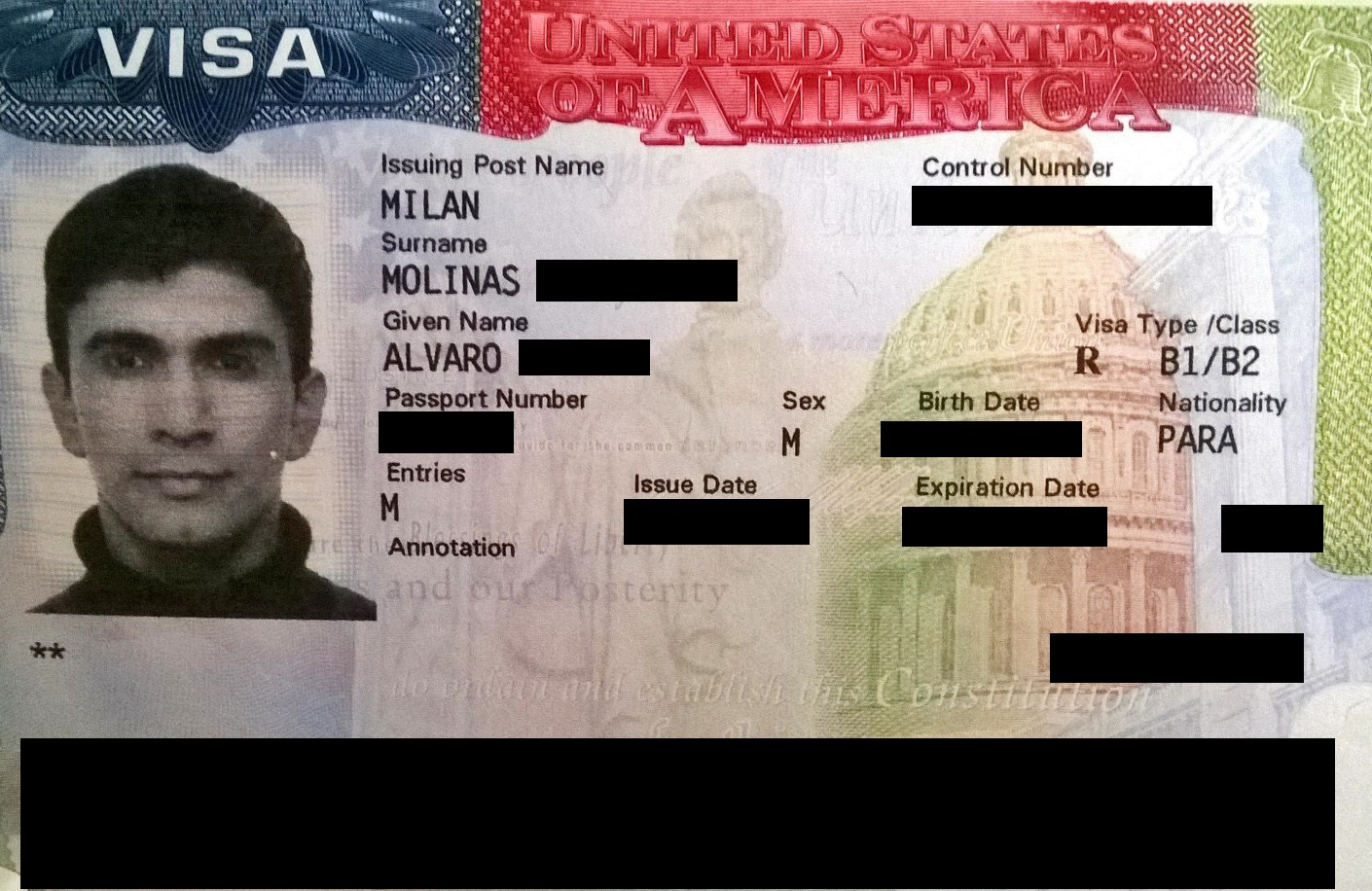
Most foreign nationals coming to the U.S. temporarily — for tourism, medical treatment, visiting relatives or friends, a conference, or a business meeting — must obtain a nonimmigrant visitor visa. It falls into two categories: B-1 for business (negotiations, contracts, conferences) and B-2 for tourism, medical treatment, and family visits. In practice the consulate often issues both together as a combined B-1/B-2 (Source: U.S. Department of State — Visitor Visa; USEmbassy.gov — B-1 Visa).
Why Uzbekistan is not in the visa-free program
The U.S. Visa Waiver Program (VWP) lets nationals of certain countries enter without a visa, using only an ESTA authorization, for up to 90 days. Uzbekistan is not a participant; therefore an Uzbek citizen must obtain a B-1/B-2 visa through the full visa process — at a U.S. embassy or consulate — rather than via ESTA. ESTA applies only to nationals of VWP member countries (Source: U.S. Department of State — Visa Waiver Program).
DS-160 — the online application
The process begins with the DS-160 online form. It is the single electronic application for all nonimmigrant visas, with questions about personal data, the purpose of travel, work, and family. Once submitted, the system produces a barcoded confirmation page, which must be printed and taken to the interview. The information in the DS-160 must match the answers given at the interview (Source: U.S. Department of State — DS-160; Travel.State.Gov).

The fee: $185 (MRV)
The main government fee for a B-1/B-2 visa — the MRV (machine-readable visa) fee — is USD 185. It is non-refundable and non-transferable, and is paid before scheduling the interview. Paying the fee does not guarantee the visa — it only covers the processing of the application (Source: U.S. Department of State — Fees for Visa Services; USEmbassy.gov).
The interview and the decision
Most applicants attend an interview with a consular officer at a U.S. embassy or consulate. By law (Immigration and Nationality Act, section 214(b)), every B-visa applicant is presumed to be an intending immigrant; to get the visa, the applicant must convince the officer that the trip is temporary and that they intend to return home — through strong ties such as a job, family, or property. The officer takes fingerprints and decides on the spot (Source: U.S. Department of State — Visitor Visa; INA §214(b)).
Visa validity vs. how long you may stay
An important distinction: the visa's validity period and the length of stay in the U.S. are two different things. The visa's validity and number of entries are set, per country, by the State Department's reciprocity schedule; an Uzbek citizen should check the exact period for Uzbekistan in that official schedule. Validity is only a window of opportunity to travel to the border — it does not grant the right to stay (Source: U.S. Department of State — Visa Reciprocity by Country).
How long you may stay is decided not by the visa but by the Customs and Border Protection (CBP) officer at entry, who records it on the electronic I-94. A B-2 visitor is usually admitted for up to 6 months. The actual authorized date is shown on the I-94 — so after arrival it is advisable to check your I-94 record (at i94.cbp.dhs.gov). Overstaying the authorized date seriously affects future visas and entry (Source: U.S. CBP — I-94; U.S. Department of State).
What a B visa does not allow
A B-1/B-2 visa is not for working or studying full-time. It does not permit paid employment in the U.S. or enrolment in a full-time course of study — work requires a separate work visa (e.g. the H category) and study requires a student visa (F-1). Within a B-1 business trip one may attend negotiations, meetings, and conferences, but may not receive a salary from a U.S. employer (Source: U.S. Department of State — Visitor Visa; USCIS).
If refused or placed under 221(g)
A refusal under 214(b) is not a lifetime ban: the applicant may reapply later when circumstances change (a new job, family, property — stronger ties), though the MRV fee is paid again each time. A 221(g) status means the decision is temporarily suspended pending additional documents or review. In every case, official information should come only from the U.S. embassy and travel.state.gov; do not trust intermediaries who promise a 'guaranteed visa' (Source: U.S. Department of State — Administrative Processing; INA §221(g)).

Sources
- U.S. Department of State — Visitor Visa (B-1/B-2)
- U.S. Department of State — Visa Waiver Program
- U.S. Department of State — Fees for Visa Services (MRV $185)
- U.S. Department of State — DS-160 Online Nonimmigrant Visa Application
- U.S. CBP — I-94 Official Website
- U.S. Department of State — Visa Reciprocity by Country (Uzbekistan)