Houthi attacks put Saudi Arabia's Vision 2030 to the test
Houthi attacks on three Saudi airports killed more than 20 people and forced the kingdom's flagship investment summit into a remote format — a blow to Riyadh's goal of attracting $100 billion in annual foreign investment by 2030. The Uzbek link: Saudi Arabia's ACWA Power has invested more than $15 billion in Uzbekistan's energy sector.
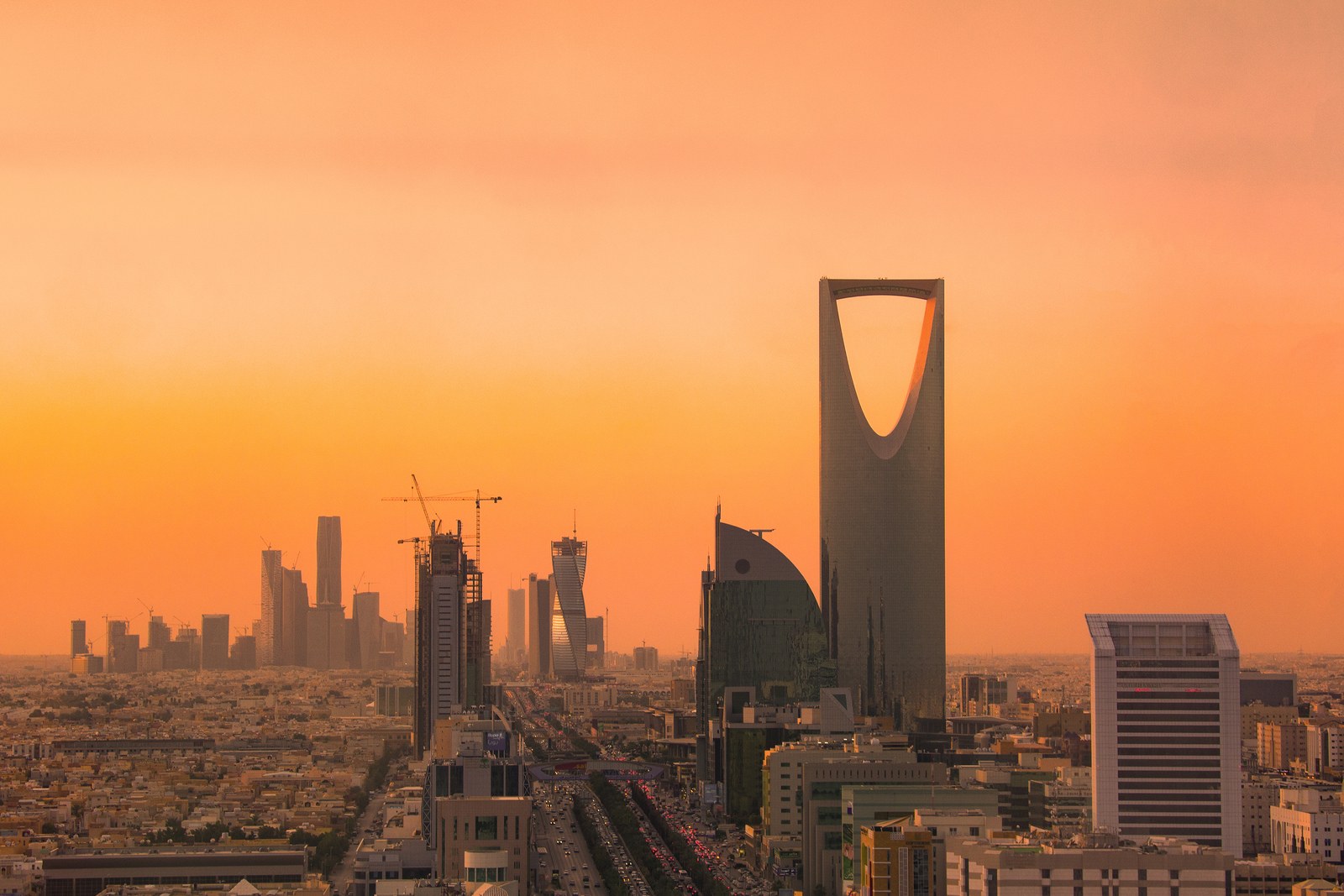
In October 2026 Yemen's Houthis launched a wave of missile and drone attacks on three Saudi international airports. The strikes hit not only lives but the kingdom's economic future — the Vision 2030 programme Riyadh has been building for seven years.
The attacks: what happened
Between 6 and 12 October the Houthis struck King Khalid airport in Riyadh, Abha airport and King Fahd airport in Dammam with ballistic missiles and drones. On 8 October a Saudia Airbus A320 was destroyed at King Khalid. The 10 October strike was the deadliest: 13 killed and 308 wounded. In total more than 20 people were killed and over 370 wounded — the bloodiest episode in Saudi Arabia since the 2015 Qatif and Dammam bombings. The Houthis also claimed a strike on an Aramco facility in Dhahran.
The investors' gateway shut
King Khalid International Airport in Riyadh — the main gateway for foreign investors, executives and tourists — was closed for a time after the attacks. As a result Saudi Arabia's flagship investment summit, the Future Investment Initiative (26–29 October, Riyadh), was forced into a partly remote (hybrid) format, with some participants expected to land in neighbouring Gulf states and drive in. Analysts say the situation will delay investment decisions, raise required returns and push the state to divert resources from economic reform to defence and security.

Why Vision 2030 matters
Announced in 2016, Vision 2030 is Saudi Arabia's plan to wean itself off oil. One of its headline goals is to raise annual foreign direct investment to $100 billion (about 5.9% of GDP) by 2030 — which would make Saudi Arabia the world's third-largest FDI destination after the United States and China. Actual inflows remain well below the target, and the renewed security threat makes the ambition harder still.
Does it touch Uzbekistan?
It does. Saudi Arabia's ACWA Power is the largest foreign investor in Uzbekistan's energy sector. It has invested more than $15 billion in the country so far, is working on 19 energy projects (18 of them renewable), and aims to raise that figure to $25 billion by the end of the decade. A $3.06 billion, 1.5 GW Kungrad wind project is under construction in Karakalpakstan (due to come online in the first quarter of 2027). Instability in the Saudi economy could therefore indirectly affect Uzbek projects too.
The Two Holy Mosques
Saudi Arabia's king holds the title "Custodian of the Two Holy Mosques" — Mecca and Medina are in the kingdom. Notably, even as Houthi military spokesman Yahya Saree declared airports to be targets, he exempted the airports of Mecca and Medina. The link is tangible for Uzbekistan: some 15,000 pilgrims travelled from the country to Saudi Arabia for the 2026 Hajj season, with Umrah continuing year-round.
Why it matters
Saudi Arabia is the spiritual centre of the Muslim world and one of the region's richest economies. Its holy sites, its oil and its vast investment plans touch both the faith and the wallet of ordinary Uzbeks. That is why Riyadh's security and economic test matters for the whole region and the Muslim world.
