How Tariffs and Customs Duties Work: Who Pays, and How Prices Are Affected
A tariff is a tax a government imposes on imported goods. It is paid at the border not by the foreign exporter but by the importer; studies find the cost is largely passed on to consumers through higher prices. Here is how the system works.
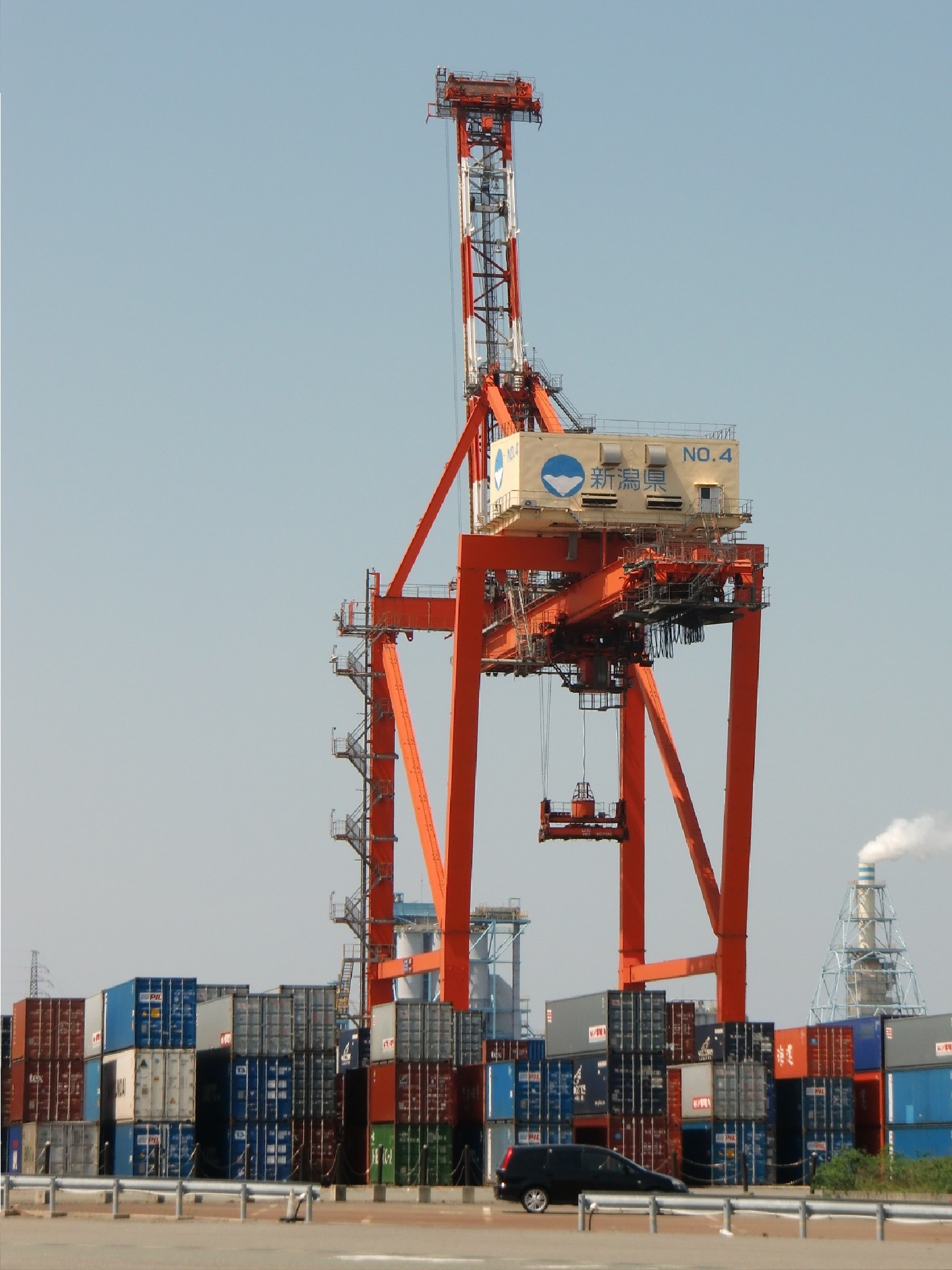
A tariff (customs duty) is a tax a government imposes on goods purchased from abroad, used by practically every country. As the World Trade Organization (WTO) puts it: "Tariffs or customs duties are a tax on products purchased from abroad... Tariffs are usually designed to collect revenue or to give a price advantage to a domestic product over an imported one." Tariffs are mostly on imports; export duties are far less common (Source: WTO — Tariffs).
Who pays and who collects
By law the tariff is paid not by the foreign exporter but by the importer of record — the party bringing the goods into the country. Payment is made to the national customs authority — for example, U.S. Customs and Border Protection (CBP) — when the goods cross the border. Even when a customs broker is used, ultimate responsibility for duties, taxes and fees stays with the importer (Source: U.S. Customs and Border Protection — Entry Summary and Post Release Processes).
Who ultimately bears the cost
Although the importer makes the payment, who bears the economic burden is a separate question. Many studies of the 2018–2019 U.S. tariffs (including Amiti, Redding and Weinstein; the National Bureau of Economic Research, NBER) found the cost was passed through largely to domestic importers and consumers as higher prices, and was absorbed almost not at all by foreign exporters. By estimates, by 2019 these tariffs cost U.S. consumers and firms roughly $3.2 billion a month in added tax costs. This is a strong empirical finding for the 2018–2019 episode; pass-through can vary by product and over time (Source: NBER — The Impact of the 2018 Tariffs on Prices and Welfare; USITC — Section 232 and 301 Trade Actions in 2018).

Types of tariffs
There are three main forms: an ad valorem tariff — a percentage of the goods' value (for example, 5% of a $500 item = $25); a specific tariff — a fixed charge per unit or per weight, regardless of price; and a tariff-rate quota — a low (or zero) rate up to a set quantity and a higher rate above it (Source: WTO — Tariffs).
Why governments use tariffs
The main rationales cited are: revenue (historically a major source of government income); protecting domestic industry, including the 'infant-industry' argument (shielding a young industry until it can compete); responding to trade judged unfair or to another country's tariffs (retaliatory tariffs); and leverage in negotiations. Whether these goals are actually achieved is debated among economists; this article presents them only as stated rationales (Source: WTO — Tariffs; WTO — Principles of the trading system).
Imports, exports and the trade balance
An import is a good or service bought from abroad; an export is one sold abroad. A trade deficit is when imports exceed exports over a period; a trade surplus is the reverse. International Monetary Fund (IMF) research emphasizes that a bilateral trade deficit between two countries is not itself 'debt' nor a measure of being cheated — it mainly reflects macroeconomic factors (the balance of saving and investment, supply chains), not one country's trade policy (Source: IMF Working Paper WP/20/210 — Are Bilateral Trade Balances Irrelevant?).
World Trade Organization rules
The WTO governs tariffs through global rules. Under the Most-Favoured-Nation (MFN) principle: "Grant someone a special favour... and you have to do the same for all other WTO members" — a concession granted to one member (such as a lower duty) must apply equally to all members (exceptions include free-trade agreements). A 'bound' rate is the ceiling a member promises not to exceed; the 'applied' rate can be lower. Each member's commitments are recorded in a tariff schedule (Source: WTO — Understanding the WTO: Principles of the trading system).
Retaliation and trade wars
One country's tariff can trigger another's retaliatory tariffs and escalate into a 'trade war.' In the 2018–2019 U.S.–China case, the U.S. imposed tariffs on Chinese imports in stages, covering more than $300 billion of goods by late 2019; China responded in stages with its own tariffs on U.S. goods. Exact figures differ by source and by 'announced' versus 'implemented,' so 'approximately' is appropriate (Source: Congressional Research Service — Section 301 Tariffs on Goods from China).
Uzbekistan and Central Asia
As of late 2026 Uzbekistan is not yet a WTO member — it is in the accession process (the 13th meeting of its working party was held in July 2026) and applies its own national customs tariff in the meantime. Among neighbours, Kazakhstan and Kyrgyzstan are members of the Eurasian Economic Union (EAEU) and apply the union's common external tariff; Uzbekistan holds observer status in the EAEU, is not part of its customs union, and sets its tariffs independently. This article is general information; for a specific product, check with the customs authority (Source: WTO — Uzbekistan accession; EAEU — Common Customs Tariff).

Sources
- World Trade Organization — Tariffs
- World Trade Organization — Understanding the WTO: Principles of the trading system
- U.S. Customs and Border Protection — Entry Summary and Post Release Processes
- Congressional Research Service — Section 301 Tariffs on Goods from China (LSB10553)
- IMF Working Paper WP/20/210 — Are Bilateral Trade Balances Irrelevant?