Labour flow to Russia falls 13.2% while remittances reach $9.3 billion
The Central Bank's H1 2026 Labour Market Review: fewer citizens going to Russia, remittances rising, and destinations shifting towards Europe and East Asia.
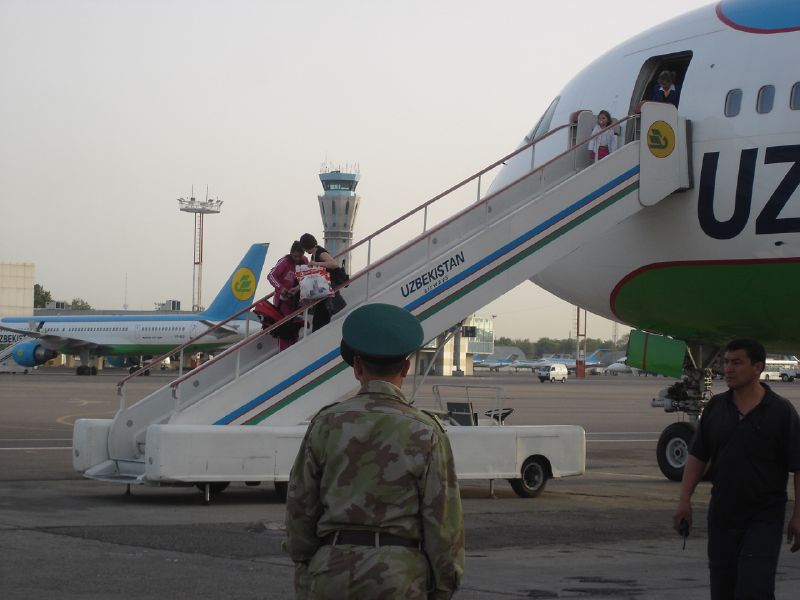
According to the Central Bank of Uzbekistan's Labour Market Review for the first half of 2026, the number of citizens who went to Russia for work was 1.179 million — 13.2% fewer than in the same period of 2025 (1.358 million a year earlier). At the same time, remittances into the country rose.
Remittances rose
According to the review, total remittances into Uzbekistan in the first half of 2026 reached about $9.3 billion — 13% more than a year earlier. In other words, although the number of migrants heading to Russia fell, the flow of money reaching families did not.
Destinations are shifting
The Central Bank review notes that the geography of labour migration is changing: the share of the CIS (mainly Russia) fell 29%, while the European Union's share rose 42% and East Asia's rose 26%. According to figures cited by Daryo, the number of Uzbeks working in Türkiye reached about 70,000 as of 1 July; figures for South Korea vary across sources.

Why it matters
Remittances remain one of the most important sources of external income for Uzbekistan's economy. A shift in migration destinations away from Russia towards Europe and East Asia could have long-term consequences for the labour market.
