Uzbekistan and Kazakhstan sign an agreement to protect the saiga
A memorandum signed on the sidelines of COP31 in Antalya covers joint monitoring of migration routes, habitat restoration and anti-poaching; Kazakhstan's saiga population reached around 4.7 million in 2026.
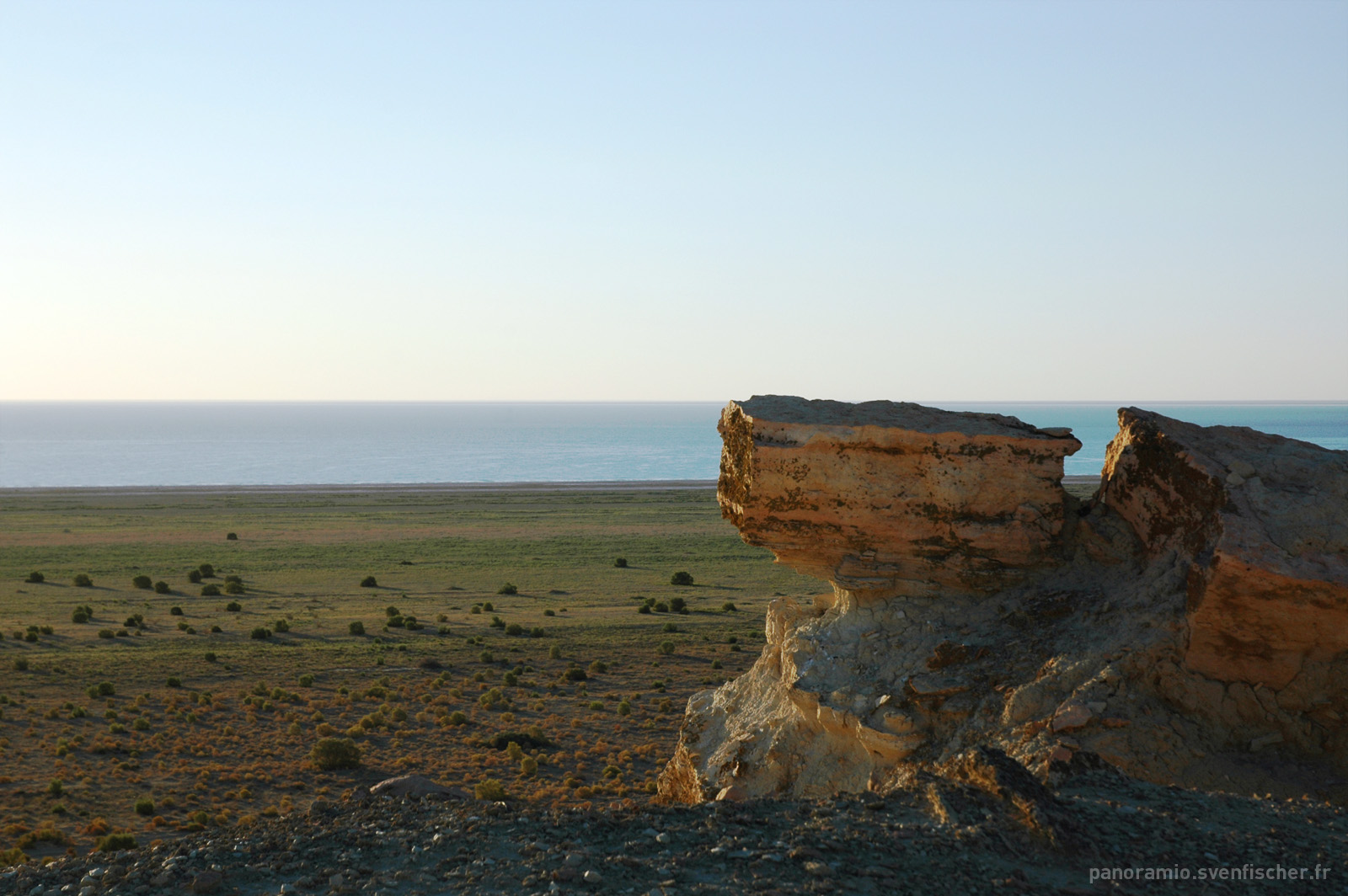
Uzbekistan and Kazakhstan have signed a memorandum of understanding to protect the saiga antelope (Saiga tatarica) population. The document was signed on 12 November on the sidelines of the UN Climate Change Conference (COP31) in Antalya, Türkiye. UzDaily and Astana Times reported this.
Who signed it?
The memorandum was signed for Kazakhstan by Minister of Ecology and Natural Resources Alibek Kuantyrov, and for Uzbekistan by Aziz Abdukhakimov, Chairman of the National Committee for Ecology and Climate Change. COP31 opened in Antalya on 9 November.
What does it cover?
Under the document, the two states will jointly monitor saiga numbers and migration routes, restore habitats (natural pastures and water bodies), develop transboundary protected areas and migration corridors, and jointly combat poaching and illegal wildlife trade. It also envisages scientific cooperation, data exchange and programmes to reintroduce saiga to their historical ranges.

About the saiga
The saiga is a migratory flagship species of the Central Asian steppe. According to Kazakhstan's 2026 aerial survey, their number reached about 4.7 million (up 17.9% on 2025); roughly 98% of the world's saiga are in Kazakhstan. In Uzbekistan they live mainly on the Ustyurt Plateau (Karakalpakstan) and are listed in the Red Book. In December 2023 the International Union for Conservation of Nature (IUCN) moved the saiga from Critically Endangered to Near Threatened — a sign of recovery after mass die-offs.
