COVID-19 and 2020: the mass return of Uzbek labor migrants
The 2020 pandemic triggered one of the sharpest crises in the history of Uzbek labor migration. Borders closed, thousands of migrants were stranded at the Kazakh border, and — according to a UN Development Programme survey — about half a million Uzbeks returned home over the year. Remittances suffered, by the World Bank's assessment, their sharpest fall since independence. A historical reference, facts only.
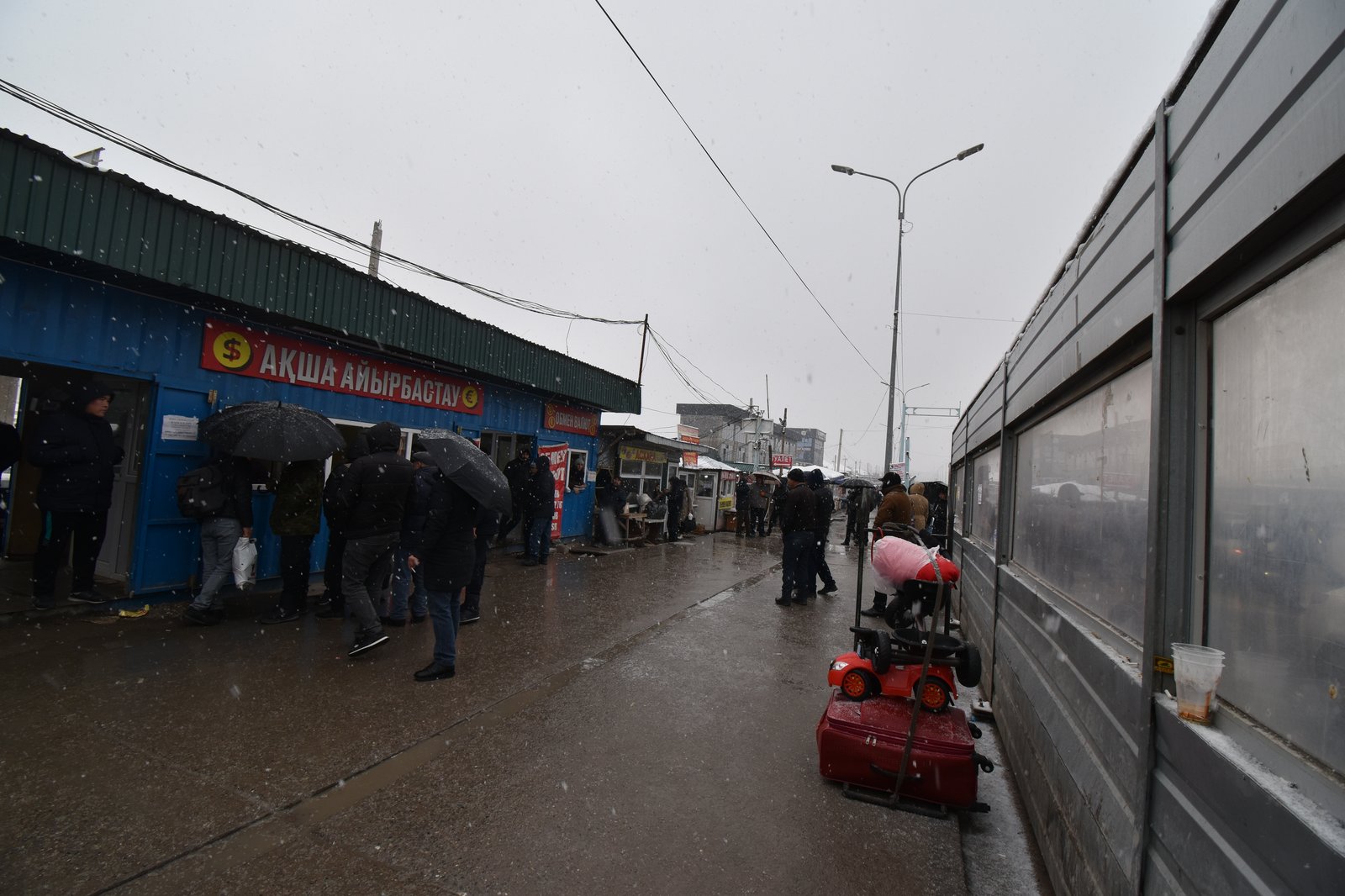
The 2020 coronavirus pandemic brought movement to a halt around the world — and the blow fell hard on Uzbekistan's more than one million labor migrants. When borders closed, compatriots stranded abroad were left without work, income, or a way home; many tried to return. The following sets out this 2020 mass return — its causes, dates, and numbers — facts only.
Background: dependence on migration
Before the pandemic, Uzbekistan was one of the world's most remittance-dependent economies: according to the World Bank, in 2019 remittances equalled about 14.8% of the country's gross domestic product. Most migrants worked in Russia, with Kazakhstan second. For that reason, the sudden stop of work and income abroad directly affected entire families.
Borders closed (March 2020)
Uzbekistan closed its borders in March 2020. Migrants wishing to return home were left on the other side — especially on the territory of Kazakhstan — because Uzbekistan faced a shortage of space in its quarantine centers. As a result, people were forced to wait for weeks at border crossings.

Zhibek Zholy: the stranded at the border
The number of Uzbek migrants stranded at the Zhibek Zholy ('Silk Road') crossing on the Kazakhstan–Uzbekistan border reached about 3,000–3,400 by early July 2020. According to RFE/RL (Radio Liberty), on 8–9 July some 2,000 of them were allowed to cross home, with another 500 left in the queue. This became one of the most visible images of the crisis.
Tent cities on the Russia–Kazakhstan border
The stranding was not only in the south: on the Russia–Kazakhstan border, too, migrants were forced to build tent cities. According to reports, around 11 May 2020 more than a thousand people had gathered at one crossing, and by 4 June about 300 Uzbeks were stranded at the Mashtakovo crossing (these figures rest on individual reports). Closed roads and scarce flights worsened their situation.
Government response: charter flights
Uzbekistan organized special (charter) flights to bring citizens home from Russia. But as officials and diaspora representatives acknowledged, these flights were far too few relative to the number stranded — by some accounts a single flight could carry about 150 people, while tens of thousands were waiting (Eurasianet report). The return therefore dragged on for months.
The collapse of remittances
The stop of work abroad also sharply reduced the flow of money. The World Bank projected that in 2020 remittances to Europe and Central Asia would fall by about 16%, and Uzbekistan's inflows experienced their sharpest decline since independence. The fall was especially deep early in the year — during the pandemic's hardest months.
Visas and poverty
According to research by the Oxus Society, in 2020 Russian work visas issued to Uzbeks fell by 52% (to 1,011,028), and study visas dropped by about 63%. As money flows and job opportunities shrank, poverty rose: that organization estimated that in 2020 about 1 million Uzbeks fell below the poverty line. This showed the economic price of dependence on labor migration.
Why this history matters
The 2020 mass return was an important turning point in the history of modern Uzbek labor migration, laying bare how dangerous over-dependence on a single source can be. For the diaspora and for families back home, it is the directly lived history of the recent past. The most reliable figures in this reference rest on international organizations; a few single-source figures are marked as such in the text.

Sources
- RFE/RL — Stranded Uzbek migrants allowed home from Kazakhstan (Zhibek Zholy crossing, 9 July 2020)
- UNDP — Support and Reintegration of Labor Repatriates in Uzbekistan (about 500,000 returned in 2020)
- World Bank — COVID-19 Crisis Through a Migration Lens (2020; ECA remittances projected to fall ~16%)
- Oxus Society — COVID-19 and Central Asian over-dependence on labor migration (Russian visas to Uzbeks −52%; ~1 million fell into poverty in 2020)
- Eurasianet — Uzbekistan: heartbreak and despair for expat laborers trapped by COVID (charter flights insufficient)