The revival of Amir Temur's legacy in independent Uzbekistan (1991–1996)
After independence, Uzbekistan began honoring Amir Temur as a national hero. Below, the unveiling of the Amir Temur statue in Tashkent (1994), the State Museum of the History of the Temurids (1996), the 660th anniversary in 1996 and other facts are set out with exact dates, using only verified sources.
After gaining independence in 1991, Uzbekistan set about re-honoring historical figures and cultural heritage from the past. In this process Amir Temur took the most central place: he was presented as the state's main national hero, replacing the symbols of the Soviet era. Below, the key facts of this process — the statue, the museum, the anniversary and the state award — are set out with exact dates, using only verified sources.
Who Amir Temur was
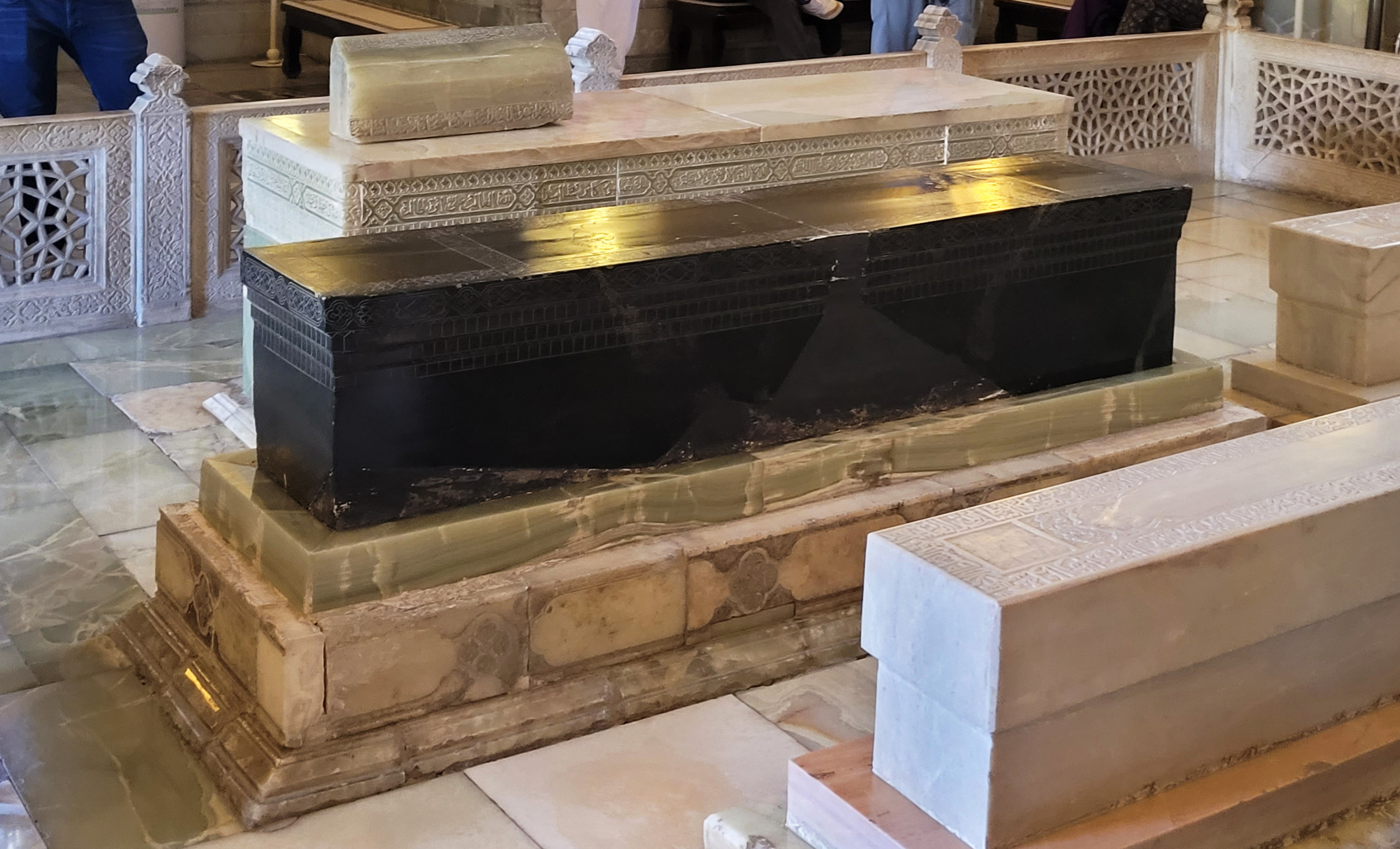
Amir Temur (Timur, known in the West as Tamerlane, 1336–1405) was the commander and statesman who founded the Timurid Empire. He was born in 1336 near Shahrisabz (Kesh) and died on 19 February 1405 near Otrar. The capital of his empire was Samarkand, which in that era became a major center of learning, architecture and trade. Temur's tomb is in the Gur-e-Amir mausoleum in Samarkand.
Chosen as a national symbol
After independence, first President Islam Karimov promoted Amir Temur as a national hero and a symbol of statehood — replacing the heroes of the Soviet era and forming part of a policy of 'reviving the nation's spiritual and cultural heritage.' In scholarship this process is analyzed as an example of post-independence nation-building.

The Amir Temur statue in Tashkent (1994)
The bronze equestrian statue of Amir Temur on Tashkent's central square was unveiled on 31 August 1994 — on the eve of the third anniversary of Independence; the square was renamed Amir Temur Square at the same time. Its sculptors were the brothers Kamol and Ilkhom Jabbarov. The statue bears the motto attributed to Temur, 'Strength is in Justice.'
The square's past
The square where the Amir Temur statue stands held other monuments at different times: a monument to Governor-General Konstantin von Kaufmann in 1913, later a Stalin statue, and then a Karl Marx statue erected in 1968. The Marx statue was removed after independence and replaced by the Amir Temur statue. The square thus became a visible symbol of the shift from Soviet-era symbols to a national one.
State Museum of the History of the Temurids (1996)
In central Tashkent, the State Museum of the History of the Temurids, dedicated to Amir Temur and the Timurid dynasty, opened on 18 October 1996. The domed building was created on Karimov's initiative in connection with the 660th-anniversary commemorations and gathered thousands of exhibits.
The 660th anniversary: 1996
By presidential decree, 1996 was declared the 'Year of Amir Temur,' and the 660th anniversary of Temur's birth was widely marked across Uzbekistan. As part of the anniversary, an 'Amir Temur Week' — academic conferences and exhibitions — was held at UNESCO headquarters in Paris.
The Order of Amir Temur
In 1996 — the year of the 660th anniversary — the Order of Amir Temur was established as a state award. It is counted among Uzbekistan's highest state honors. At the same time, many of the country's squares and streets began to bear Amir Temur's name.
The heritage on the ground
The revival of Amir Temur's legacy was not limited to symbols: architectural monuments of the Timurid era, such as the Gur-e-Amir mausoleum in Samarkand, were restored and protected. These monuments are today an important part of Uzbekistan's historical heritage and tourism.

Sources
- Encyclopaedia Britannica — Timur (1336–1405), Timurid Empire, capital Samarkand
- uzbekistan.travel (official tourism) — Amir Temur Square, statue unveiled 1994, motto 'Strength is in Justice'
- Wikipedia — Amir Timur Square (statue 31 Aug 1994; Kaufman/Stalin/Marx statues) and Amir Timur Museum (1996, nation-building; cites Cummings 2013)
- OrexCA — State Museum of the History of the Temurids, Tashkent (opened 18 October 1996)