Your Rights in the U.S.: When Police or Immigration Agents Stop You
The U.S. Constitution gives every person — citizen or not — the right to remain silent, to refuse a search, and to ask for a lawyer. Here is how those rights work when police stop you on the street, in your car, or at your door.
In the U.S., core rights are guaranteed by the first ten amendments to the Constitution — the Bill of Rights (1791) — and they apply to every person on U.S. soil regardless of immigration status. In any encounter with police you have three core rights: the right to remain silent (Fifth Amendment), the right to refuse consent to a search without a warrant signed by a judge (Fourth Amendment), and the right to a lawyer if you are arrested (Sixth Amendment). You cannot be punished for using these rights (Source: ACLU — Know Your Rights: Stopped by Police; U.S. Courts — Bill of Rights).
The right to remain silent (Fifth Amendment)
Under the Fifth Amendment, no one can be forced to be a witness against themselves. You have the right not to answer questions, and it is advised that you say so out loud: 'I am exercising my right to remain silent.' In some states, if you are detained you may be required to identify yourself — to give your name — but you do not have to answer other questions. Before questioning someone in custody, police must warn them of their rights — the 'Miranda warning' (Source: ACLU — Stopped by Police; FindLaw — Rights During a Police Stop).
The right to refuse a search (Fourth Amendment)
The Fourth Amendment protects against unreasonable search and seizure. You have the right not to consent to a search of yourself, your car, or your home; say it clearly: 'I do not consent to a search.' But refusing consent does not always stop a search: if police have probable cause to believe your car holds evidence of a crime, it can be searched without consent. On the street, if police reasonably suspect you are armed, they may pat down (frisk) your outer clothing. To enter a home, they normally need a warrant signed by a judge (Source: ACLU — Stopped by Police; FindLaw).

During a traffic stop
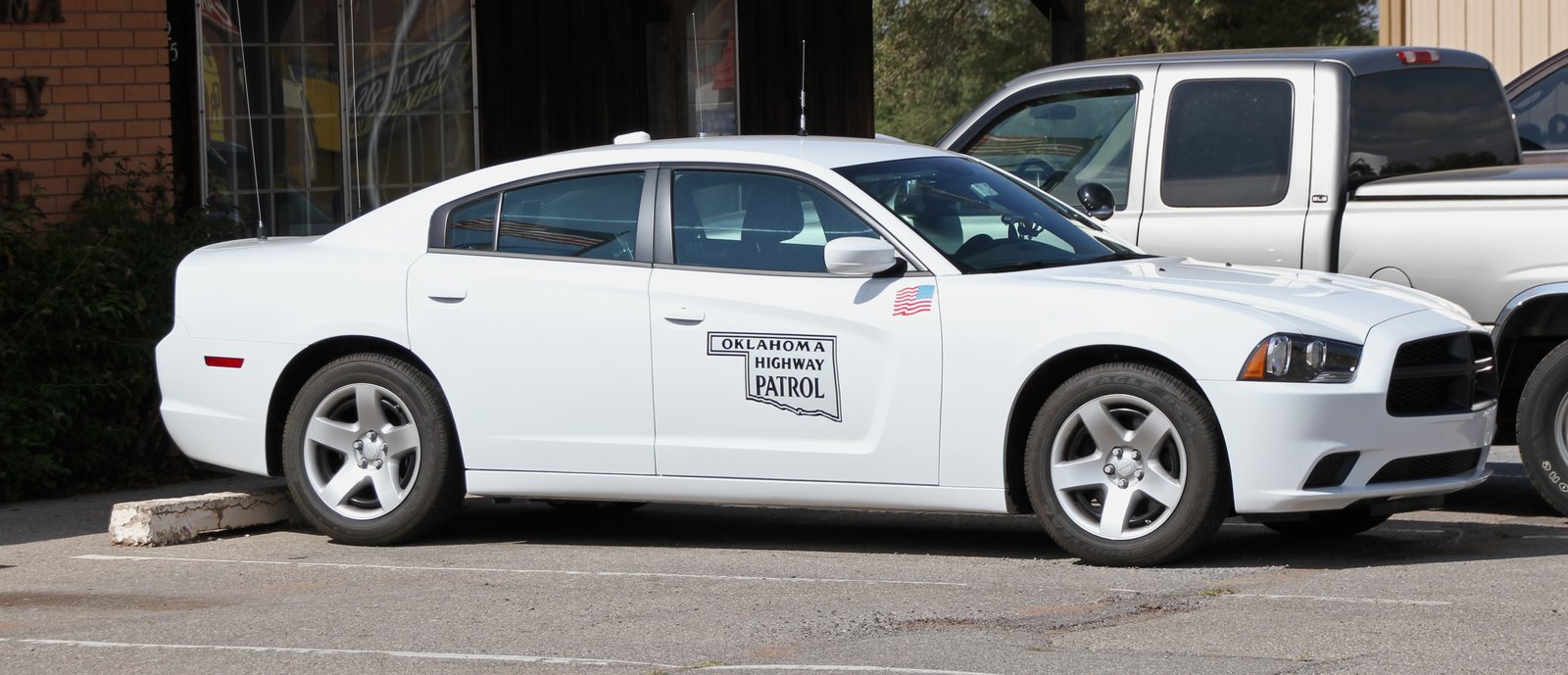
In a traffic stop, the driver must show a driver's license, vehicle registration, and proof of insurance. Pull over, turn on the interior light, keep your hands visible on the wheel, and avoid sudden movements. Passengers also have the right to remain silent and may ask, 'Am I free to go?' If the answer is yes, you may calmly leave; if you are detained or arrested, ask for a lawyer and stay silent (Source: FindLaw — Rights During a Traffic Stop; ACLU).
When immigration agents (ICE) come
You have the right to remain silent about your immigration status. If agents come to your home, you do not have to open the door — they may enter only with a warrant signed by a judge (a judicial warrant); an ICE administrative warrant does not authorize entry. Do not sign any document without your lawyer, and do not show false papers. If you have immigration documents and are 18 or older, carry them with you, and never give false information about being a foreign national (Source: ACLU — Know Your Rights: Immigrants' Rights; FindLaw).
Basic safety rules
Every legal source gives the same practical advice: do not resist, flee, or obstruct the police — even if you believe you are innocent or that your rights are being violated. Keep your hands visible and do not argue. You have the right to record police performing their duties in public, but do not interfere. If you believe your rights were violated, remember the agents' names and badge numbers, write down witness details, and file a formal complaint later (Source: ACLU — Stopped by Police; FindLaw).
Where to get help
If you are arrested, you have the right to ask for a lawyer and to remain silent until one is present; if you cannot afford a lawyer, a free public defender is provided. Civil-rights groups such as the American Civil Liberties Union (ACLU) and the American Bar Association (ABA) can help you file complaints and find an attorney for police misconduct. This information is general and is not a substitute for legal advice; for a specific situation, consult a licensed attorney (Source: ACLU; FindLaw).
