The US K-12 school system: the basics for immigrant families
In the US, public education for children is usually called "K-12" — from kindergarten to 12th grade. Public schools are free and open regardless of the child's or parents' immigration status. Below, how the system is structured, how to enroll a child, language support and free-lunch programs are explained using official sources.
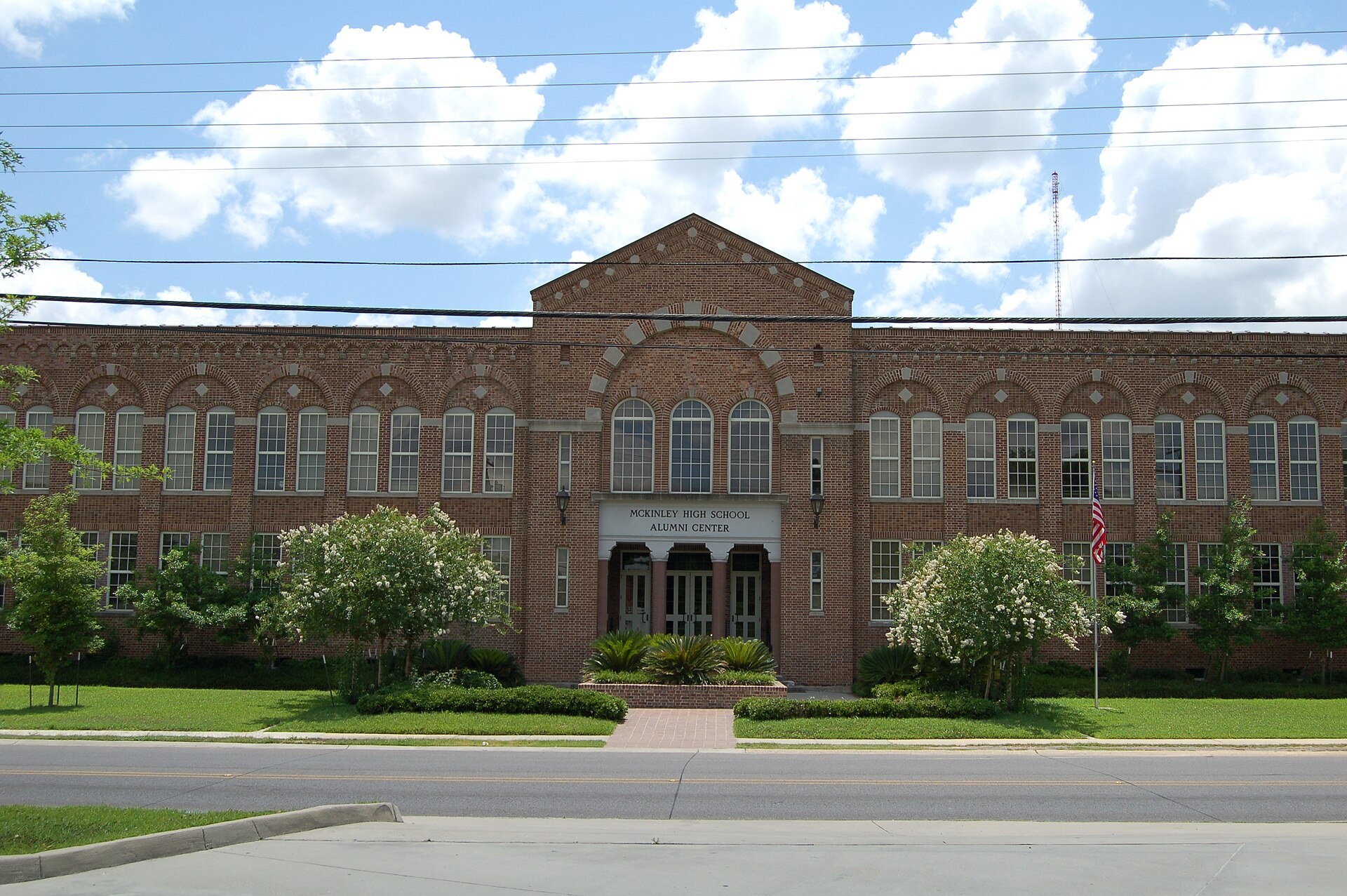
For families who have moved to the US, one of the most important questions is how to get a child into school. In the US, public schools are free and open to every child. Below, how the school system is structured, the compulsory school age, how to enroll, help for children who do not speak English, and free-lunch programs are set out using only official and broadly accepted sources.
How the system is structured
US school education is called "K-12": it starts with kindergarten (usually age 5) and runs from 1st grade through 12th grade. It is generally divided into three stages: elementary school (roughly grades 1–5), middle school or junior high (roughly grades 6–8), and high school (grades 9–12). A student who completes 12th grade receives a high school diploma. The system is not federal but is run mainly by states and local school districts, so the details vary from state to state.
Compulsory school age
Every US state has a compulsory-education law. The compulsory age varies by state — typically a child must start school at age 5 or 6 and must stay in school until age 16, 17 or 18. The exact ages are set by the state where the family lives.

Every child has the right to attend
Under the U.S. Supreme Court's ruling in Plyler v. Doe (June 15, 1982), states may not deny a child a free public education because of immigration status. Public elementary and secondary schools cannot refuse to enroll a child because of the child's or the parents' citizenship or immigration status. A school may not require a child to prove immigration status in order to enroll.
Types of school
The main types of school in the US are: public schools — free, funded by taxes; charter schools — free schools funded with public money but run independently; magnet schools — public schools specializing in a particular focus; and private schools — fee-paying, often religious or independent. Most families enroll their child in the public school assigned to their home address.
How to enroll
To enroll a child, the following documents are usually requested: proof of the child's age (birth certificate or passport), proof of residence (a lease or a utility bill) and the child's immunization records. A school cannot make immigration status or a Social Security number (SSN) a condition of enrollment. If documents are from another country, the school or district evaluates them.
Help for children who do not speak English
For students whose first language is not English, public schools have special language programs — often called ELL (English Language Learner) or ESL (English as a Second Language). Schools are required to give such students additional language support so they can understand lessons and learn other subjects as well.
Free and reduced-price lunch
Through the National School Lunch Program, children from low-income families receive free or reduced-price lunch at school. Depending on family income and household size, a child may qualify for free or reduced lunch; this usually requires filling in an application provided by the school.
How schools are funded
Public schools are funded mainly from three sources: local taxes (often property tax), the state budget and federal funds. As a result, each school district's resources depend on the local tax base, and school quality can vary from area to area. For parents, the education itself is free.
