Germany to allocate €71 million for projects in Uzbekistan: eight projects for 2026–2027
At intergovernmental talks in Tashkent, Germany agreed to allocate €71 million for eight projects in economic development, social protection, rule of law, climate and energy.
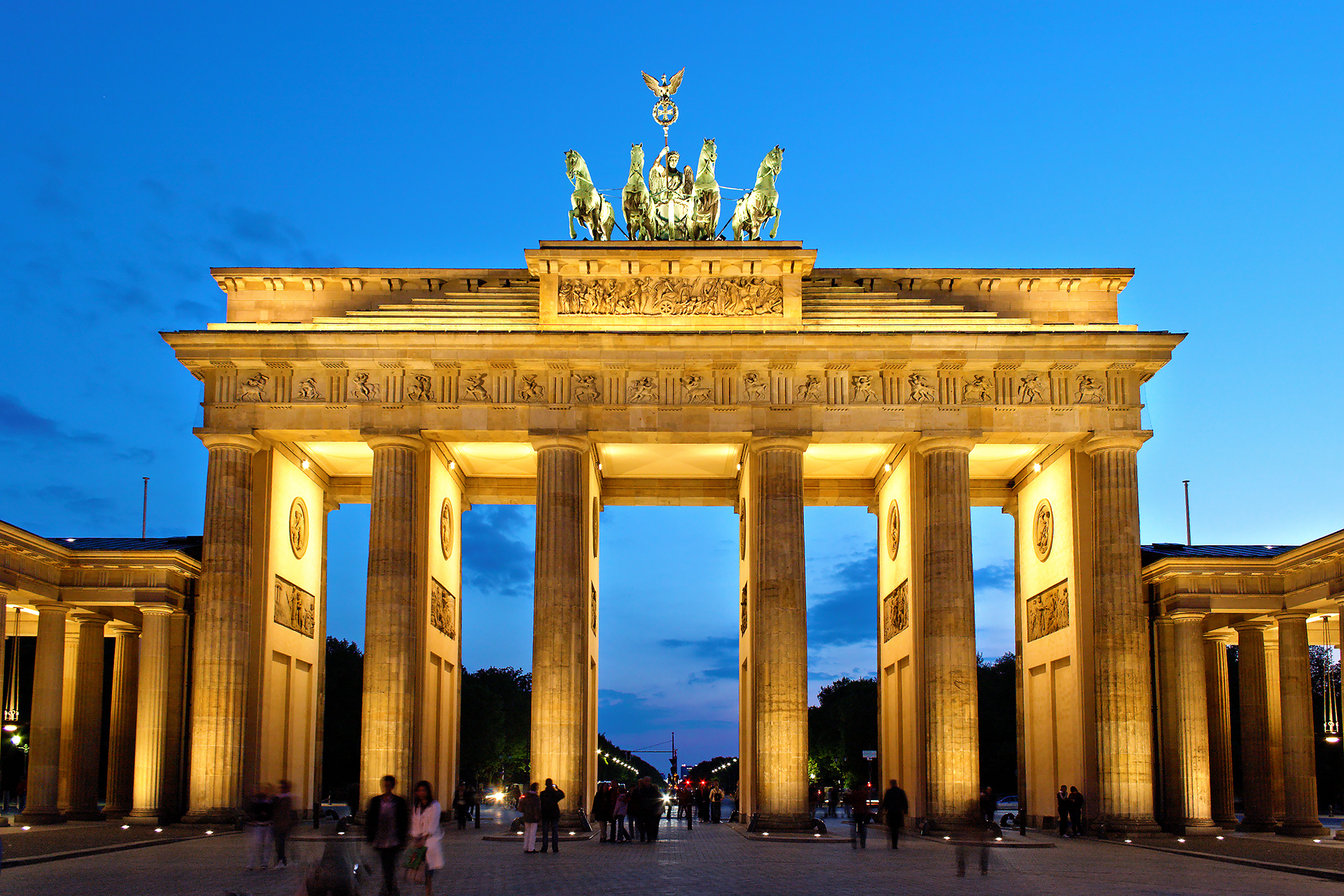
Germany will allocate €71 million to joint projects in Uzbekistan across economic development, social protection, rule of law, climate and energy.
The agreement was reached at intergovernmental negotiations on development cooperation held in Tashkent on 7 October 2026, where the two sides signed a Protocol of Negotiations. The German funds cover 8 projects planned for 2026–2027.
Which sectors
Priority areas include strengthening trade and the private sector; modernising vocational education based on Germany's dual (work-and-study) model; improving resource efficiency; introducing renewable energy sources; expanding the electricity transmission network; and improving social protection for vulnerable groups.

Who implements it
The projects are implemented on behalf of the German government by KfW Development Bank, GIZ (the German Agency for International Cooperation) and PTB (the German National Metrology Institute).
Uzbekistan was represented at the talks by the Ministry of Investment, Industry and Trade; the German side was led by representatives of Germany's Federal Ministry for Economic Cooperation and Development (BMZ).
Statement from the German side
The head of the German delegation, Christiane Amari, reaffirmed Germany's readiness to support the implementation of the Uzbekistan-2030 strategy and the achievement of the UN Sustainable Development Goals through bilateral projects and regional initiatives, as well as in its capacity as an EU partner.
Germany has for many years been one of Uzbekistan's major partners in development cooperation.
