What halal certification is and how to verify halal food in the US: marks, agencies and zabiha
In the United States halal food is certified not by the government but by private, independent certification bodies. This explainer sets out the concepts of halal and zabiha, the main US certifiers (IFANCA, ISA, AHF, HMS), how to check that a product is genuinely halal, and the halal system introduced in Uzbekistan — as sourced facts only.
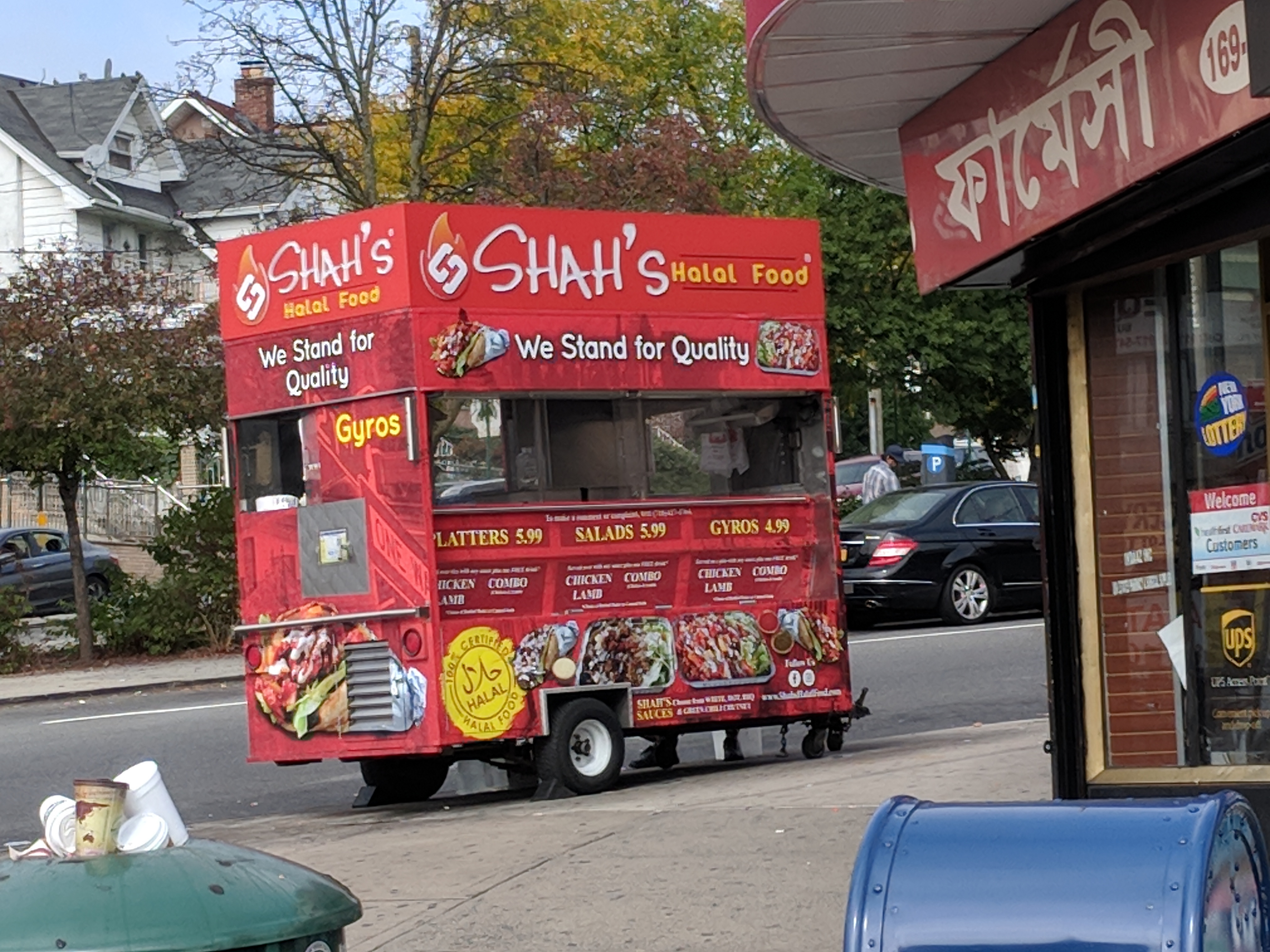
Halal means that which is permitted in Islamic law; its opposite is haram. In the United States there is no single government body that authorises the word "halal" on a product — halal is verified and attested by private, independent certification organisations. Below, the concepts of halal and zabiha, the main US certifiers, how to check a product, and the system in Uzbekistan are set out as sourced facts only. This is not a religious fatwa or legal advice.
What halal and "zabiha" mean
Foods considered haram include pork, blood, carrion (an animal not slaughtered according to the Shariah) and intoxicating drinks. For meat to be halal, the animal must be slaughtered in the Islamic manner — invoking the name of God and with a single cut to the throat; this method is called zabiha (or zakat). Ingredients too (gelatin, enzymes, alcohol-based flavourings) must not come from a haram source.
How certification works in the US
In the US halal certification is entirely in the hands of private, third-party bodies. A certificate is an independently audited attestation that a facility or product meets a specific Islamic halal standard. The bodies audit the production facility, review the ingredient list and carry out ongoing surveillance.

The main certifying bodies
Several bodies are well known in the US. IFANCA (the Islamic Food and Nutrition Council of America), founded in 1982, is one of the most internationally recognised certifiers in North America; its "Crescent-M" mark appears on food, beverages, pharmaceuticals and personal-care products, and IFANCA is accredited by ANAB. Islamic Services of America (ISA), founded in 1975, is headquartered in Cedar Rapids, Iowa. The American Halal Foundation (AHF) and the USA Halal Chamber of Commerce are also nationally recognised bodies.
In the meat sector, Halal Monitoring Services (HMS) stands apart: it requires hand (zabiha) slaughter only and strictly monitors the entire process, maintaining a listing of HMS-certified restaurants, stores and butchers.
How to verify a product is genuinely halal
First rule: the packaging should carry a specific certifier's logo and a certificate number. The word "halal" written without any certifier's backing is not proof in itself. A company may hold a halal certificate, but it may apply only to one facility or one product line — so it is advisable to check the certifier's website or call them to confirm the specific product is covered.
For meat, the difference between zabiha (hand slaughter) and machine slaughter, the question of stunning and the risk of cross-contamination with haram products all matter. In restaurants one can ask about the supplier and the source of the meat; ingredient labels are checked for suspect components such as gelatin, mono- and diglycerides and alcohol-based flavourings.
The halal system in Uzbekistan
Uzbekistan has adopted the standards of the Standards and Metrology Institute for Islamic Countries (OIC/SMIIC) as its national halal standard; at the end of 2019 the country joined SMIIC, represented by its standardisation authority (UZSTANDARD/the Technical Regulation Agency). By a Cabinet of Ministers decision, from 1 May 2025 products and services certified under SMIIC standards are permitted to carry the "Halal" mark.
The Uzbek Scientific-Testing and Quality Control Center (UzTest) received accreditation from Türkiye's Halal Accreditation Authority (HAA), becoming the country's first official halal certification body; the accreditation was carried out under the OIC/SMIIC 2:2019 standard. Halal certification is not mandatory, but it is sought by consumers, especially for food products.
A practical conclusion for the diaspora
In the US the most reliable approach is to look for a recognised certifier's mark and number, to buy meat from monitored zabiha butchers, to read ingredient labels carefully and, when in doubt, to confirm with the certifier or the seller. In sum: the word "halal" by itself is no guarantee; the guarantee is a verified, documented and monitored certificate.

Sources
- Halal Certifying Bodies in the USA — A Guide (halalcc.org)
- ANAB Accredits IFANCA to Certify Halal Products
- Halal Monitoring Services (HMS USA) — certified listing
- Uzbekistan to allow "Halal" labeling for certified products and services (Kun.uz, 2025)
- Uzbekistan Establishes First Internationally Accredited Halal Certification Body (UzDaily)