Iran declares the Strait of Hormuz “closed”; the US rejects it
Iran's IRGC Navy declared the Strait of Hormuz closed on 17 October; US CENTCOM said the strait remains open. Attacks on tankers rose over the past week and Brent crude climbed to about $110.
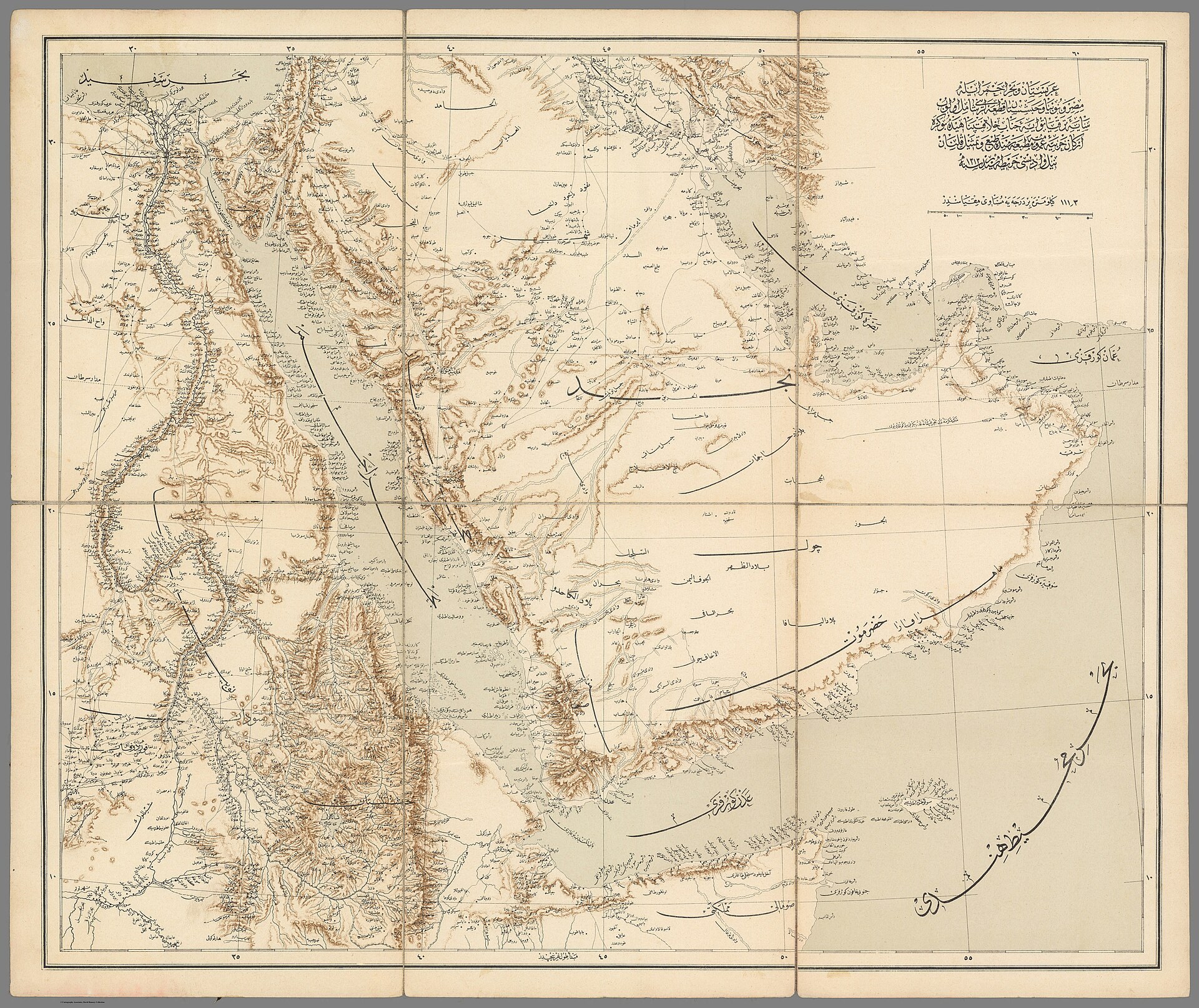
Iran's Islamic Revolutionary Guard Corps (IRGC) Navy declared on 17 October that the Strait of Hormuz is closed and that the passage of ships of various nationalities is prohibited. At the same time, the US Central Command (CENTCOM) said the strait remains open and under control — the two sides issued opposing statements.
Attacks in the strait
Several oil tankers were attacked in the Hormuz region over the past week. The UK Maritime Trade Operations (UKMTO) recorded 12 attacks in the week to 16 October. According to the IRGC, a large tanker carrying about 2 million barrels of crude caught fire after striking a mine. US forces rejected the mine claim, saying vessels were being hit by projectiles. No casualty figures were independently confirmed.
Oil prices and world trade
About 20% of the world's oil and gas passes through the Strait of Hormuz. As tensions rose, Brent crude reached about $110 on 16 October — its highest since May. According to Al Jazeera, transit through the strait fell from a pre-war daily level of roughly 17.1 million barrels to about 11.6 million barrels, around 68%.

What the US said
CENTCOM commander Admiral Brad Cooper said the strait remains under the control of the US and regional partners; he said about 400 ships and 100 million barrels of oil had passed through it in the previous week. The “closure” is therefore a unilateral Iranian declaration that the US is effectively rejecting.
Context
The events are unfolding against a wider military confrontation between Iran and the US. Hormuz is the main sea lane carrying Gulf oil to world markets; any disruption can put pressure on fuel prices in oil-importing countries.
