UN: Terror groups in Afghanistan remain a threat to Central Asia
According to UN Security Council monitoring reports, Islamic State Khorasan Province is developing a network of cells capable of projecting a threat across the region and internationally; its propaganda is produced in Uzbek and Tajik.
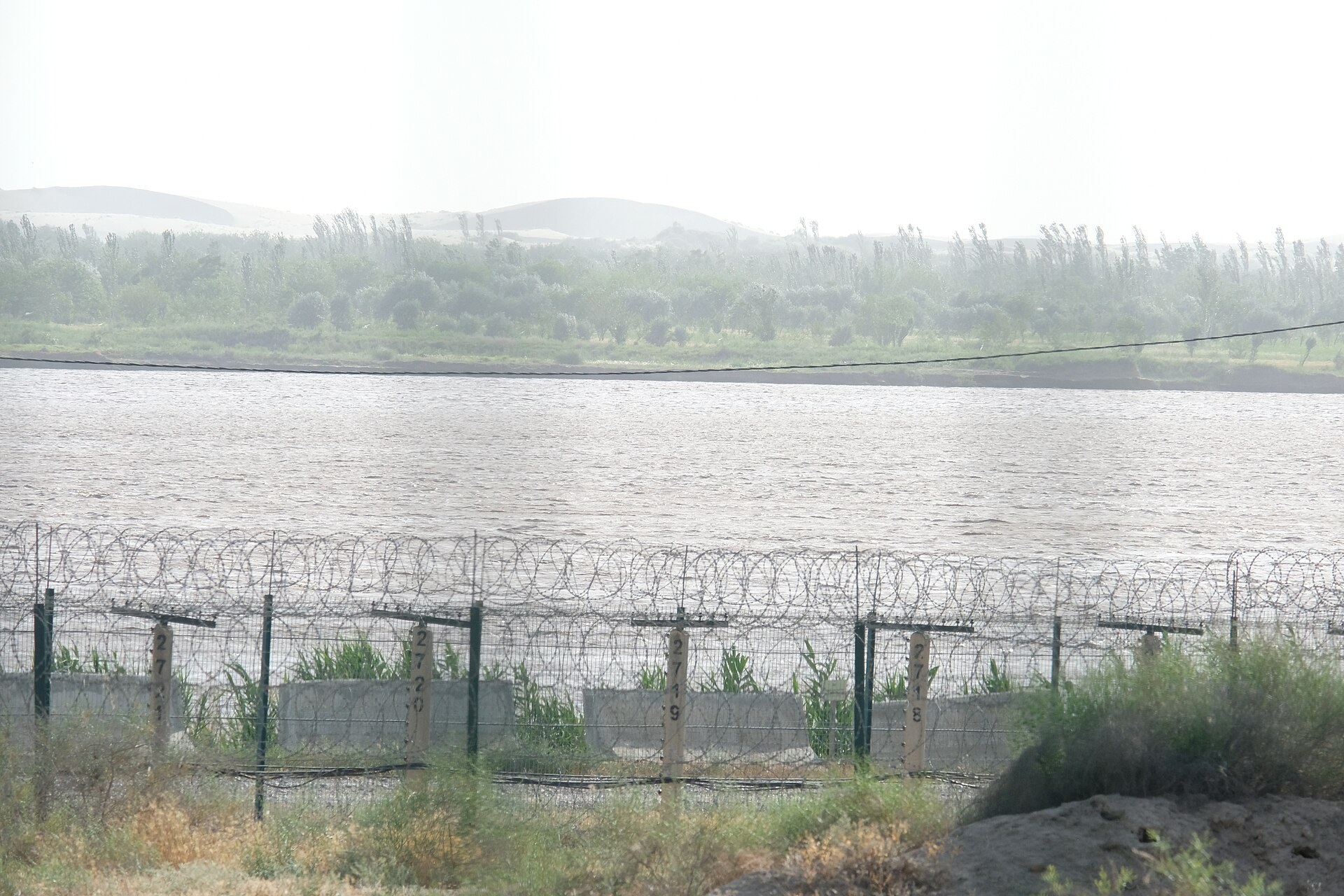
According to reports by the UN Security Council's monitoring team, terror groups in Afghanistan remain a serious threat to neighbouring countries and Central Asia. The August 2026 report (data through 9 June) describes the groups' ability to operate in Afghanistan as an "enduring threat" to the region.
What ISKP is doing
Although Islamic State Khorasan Province (ISKP) has suffered serious setbacks, it is in a rebuilding phase and has moved toward northern Afghanistan. A February 2026 report noted that the group "continued to develop a network of cells capable of projecting a threat across the region and internationally."
Numbers and targets
According to researchers (Tucker and Lemon), more than 4,000 people from Central Asia travelled to Syria and Iraq to join militant organisations. ISKP propaganda is produced in Uzbek and Tajik, and it primarily targets Tajik and Uzbek youth. Central Asian nationals carried out many of the recent Islamic State attacks and plots in Europe and the United States.

Why radicalisation is rising
Analysts say economic and political frustrations contribute to radicalisation; ISKP propaganda videos regularly target Central Asian governments.
The groups in Afghanistan remain an enduring threat to neighbouring countries and Central Asia.
— UN Security Council monitoring team report, August 2026
