How divorce (talaq) works in Islam: talaq, idda, khul' and the legal procedure
Talaq is the procedure for dissolving a marriage in Islam — permitted, but treated as a last resort. This reference explains the types of talaq, the idda (waiting period), khul' (divorce initiated by the wife), faskh (judicial dissolution) and the legal procedure in Uzbekistan, on the basis of sources and settled facts. The aim is not to give a fatwa but to clarify the basic concepts.
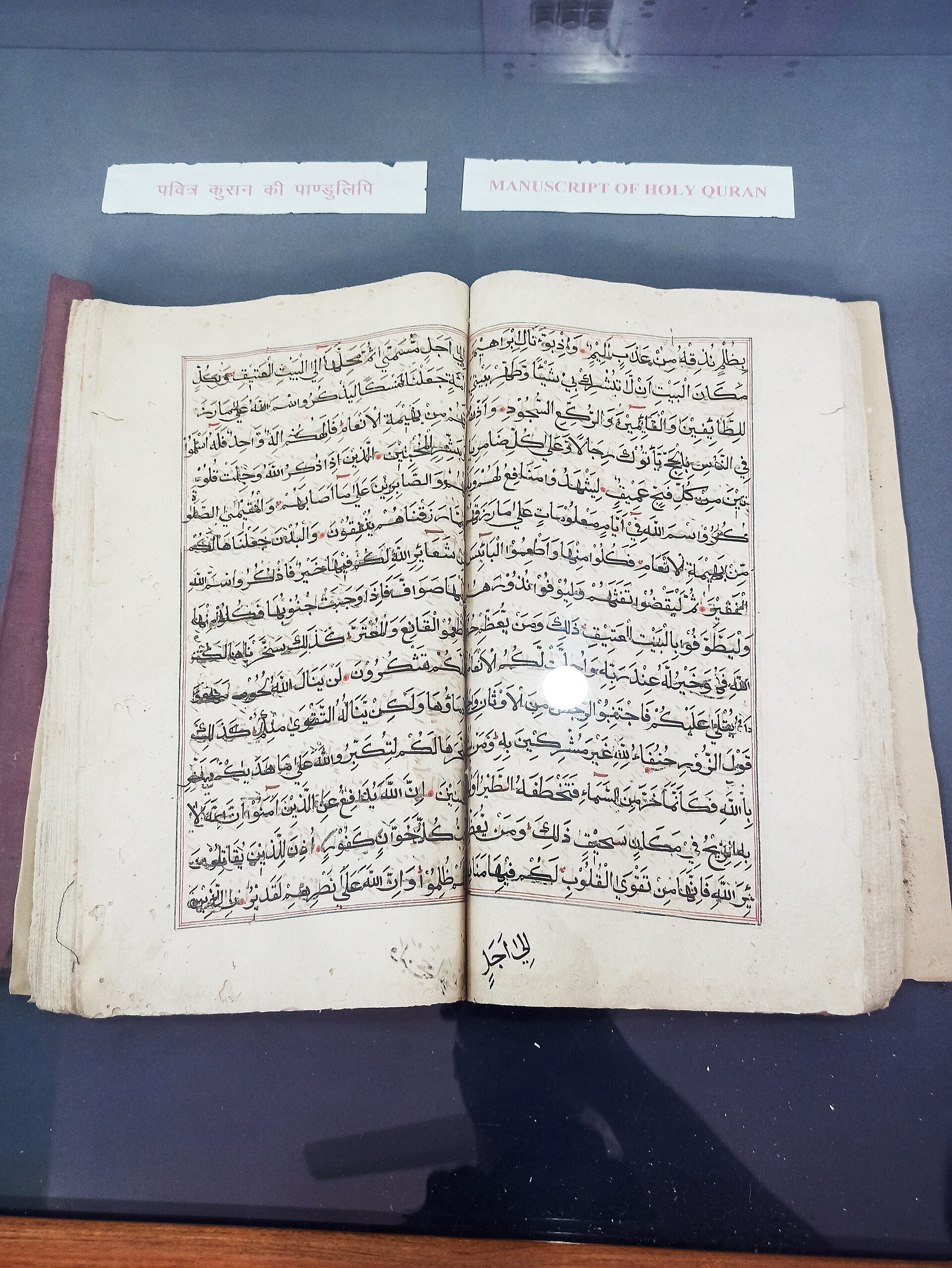
Talaq is the procedure for dissolving an Islamic marriage. In classical jurisprudence talaq is permitted (halal), but reconciliation and arbitration (appointing two arbiters, mentioned in Surah an-Nisa 4:35) are recommended before it is carried out; talaq is regarded as a last resort. A well-known hadith is narrated to the effect that "the most hateful of lawful things to Allah is divorce" (Abu Dawud 2178; Ibn Majah 2018); however, the authenticity of this hadith is debated among scholars — some (al-Suyuti, al-Hakim) graded it sahih, while the modern hadith scholar al-Albani and a number of classical scholars graded it weak (mursal). It is therefore cited as "a hadith of disputed authenticity."
The idda (waiting period)
After a talaq the woman observes the idda, a waiting period. According to the Qur'anic verses: for a menstruating woman, three menstrual cycles (al-Baqarah 2:228); for a pregnant woman, until she gives birth (at-Talaq 65:4); for a woman who does not menstruate (pre-menarche or past menopause), three months (at-Talaq 65:4). A widow's idda is four months and ten days (al-Baqarah 2:234). The idda has two main purposes: to confirm the absence of pregnancy (clarifying lineage) and to preserve the possibility of reconciliation in a revocable divorce.
Types of talaq
Talaq raj'i (revocable) is the first or second pronouncement; the husband may take his wife back during the idda without a new contract. Once the idda ends, it becomes what is called the "minor" irrevocable divorce (al-baynuna al-sughra), and the couple may remarry with a new marriage contract. Talaq ba'in (irrevocable): after three pronouncements the "major" irrevocable divorce (al-baynuna al-kubra) occurs; after this, for the woman to return to the same man she must first enter a genuine (consummated) marriage with another man that then itself ends (nikah halala). The purpose of this condition is to prevent divorce being used lightly.

Khul' and faskh
Khul' is a divorce initiated by the wife, usually by returning the mahr (or part of it) in exchange for leaving the marriage; its basis is given in al-Baqarah 2:229. Faskh (or tafriq) is dissolution of the marriage by a qadi or court, on grounds such as cruelty, failure to maintain, desertion or other serious causes. The general rule on the mahr is that if the husband divorces after the marriage has been consummated, the full mahr remains the wife's; in khul' the wife usually returns the mahr.
The schools and "triple talaq in one sitting"
Sunni jurisprudence distinguishes talaq al-sunnah (the approved form) from talaq al-bid'ah (the innovated form). Pronouncing three talaqs at once is disapproved in all four Sunni schools, yet was traditionally held to be legally effective (a final, major divorce); Shia jurisprudence does not recognize talaq al-bid'ah at all. Classical scholars differed on whether such a triple pronouncement counts as one talaq or three. In modern times several Muslim-majority countries have restricted instant triple talaq: in India, for example, the Muslim Women (Protection of Rights on Marriage) Act, 2019, declared instant triple talaq (talaq-e-biddat) void and a criminal offence punishable by up to three years' imprisonment. (Source: Government of India, PIB.)
The legal procedure in Uzbekistan
In Uzbekistan divorce is governed by the Family Code (adopted 30 April 1998, in force from 1 September 1998). Only a civil marriage registered with the state has legal force; a marriage contracted by religious rite alone (and hence a religious talaq) has no civil-law effect on its own. Where there is mutual consent, no minor children and no property dispute, the spouses file jointly with the civil registry (ZAGS) and receive a certificate of dissolution of marriage. Where there are minor children or a dispute, the case is heard by a court; the court's decision is then registered with the civil registry. The marriage is considered dissolved from the day it is registered with the civil registry. Under the law, a husband may not demand a divorce during the wife's pregnancy or within one year of the birth of a child. (Source: Family Code of the Republic of Uzbekistan.)
Conclusion
In Islam talaq is permitted but has clearly defined rules and is treated as something that should not be approached lightly: the idda period, the distinction between revocable and irrevocable divorce, khul' and judicial dissolution, and the question of the mahr each regulate rights and responsibilities. In Uzbekistan a religious divorce alone is not enough — to have legal force a divorce must be formalized through a state body (the civil registry or a court). For a specific ruling and one's own situation, it is advisable to consult qualified religious and legal specialists.
