Two Men Given Two Aggravated Life Sentences Each for Killing Two Uzbek Women in Istanbul
The Istanbul Anadolu 17th High Criminal Court found Dilshod Turdimurotov and Gofurjon Kamolkhojayev guilty of murdering Durdona Hakimova and Sayyora Ergashaliyeva. The case began in January with a body found in a dumpster in the Şişli district.
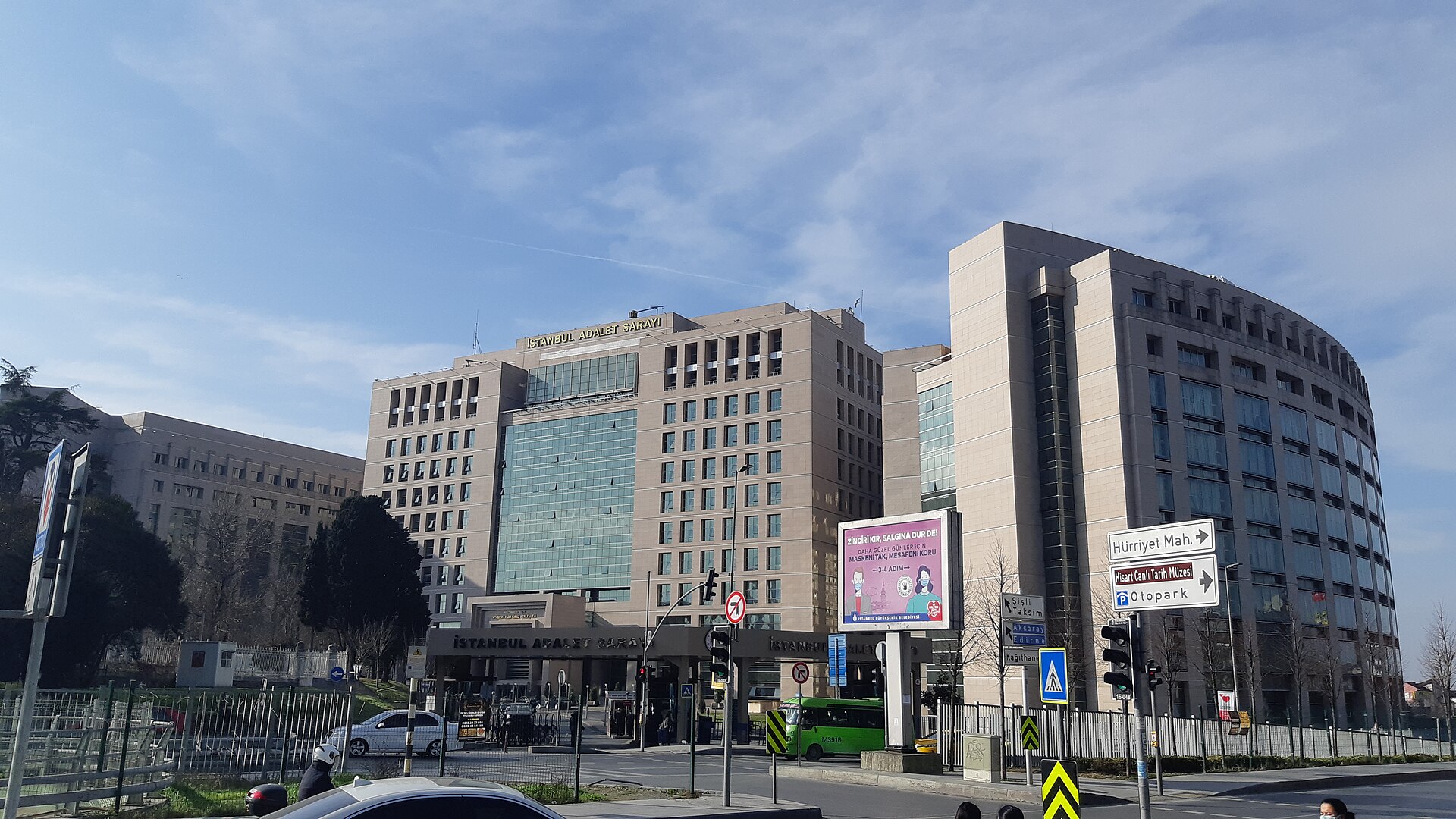
The Istanbul Anadolu 17th High Criminal Court found two Uzbek citizens guilty of murdering two Uzbek women. The court sentenced Dilshod Turdimurotov, 31, and Gofurjon Kamolkhojayev, 29, to two aggravated life sentences each. Aggravated life imprisonment is the most severe penalty in Turkish criminal law; it entails stricter conditions of confinement than ordinary life imprisonment and all but rules out the possibility of conditional release.
In addition, both defendants were given a further seven-year prison term on two counts each, having been charged with stealing property from the residence after the killings. The verdict was announced in the second week of September.
The victims
The victims were Durdona Hakimova, 36, and Sayyora Ergashaliyeva, 32. Both were citizens of Uzbekistan living in Istanbul. The case began on Jan. 24 when Durdona Hakimova's body was found in a dumpster in Istanbul's Şişli district. The second victim, Sayyora Ergashaliyeva, was identified later, on Feb. 6, on the basis of a report filed by relatives.
How the investigation proceeded
According to prosecutors, security camera footage recorded the two women entering a residence in Istanbul's Ümraniye district on Jan. 23, followed by two men entering the same residence. Footage later captured the defendants leaving the residence several times with black garbage bags and then carrying out a white suitcase.
According to the prosecution's findings, both women were killed in that residence, and the bodies were dumped in dumpsters in different parts of Istanbul. The suspects were detained at Istanbul airport while attempting to leave Turkey.
The defendants' statements
At the hearing, Gofurjon Kamolkhojayev said he had been in a religious marriage with Sayyora Ergashaliyeva and had killed her over infidelity; he denied taking part in the killing of Durdona Hakimova. Dilshod Turdimurotov admitted killing Durdona Hakimova and said the most severe penalty should be applied to him.
By the numbers
- Defendants: Dilshod Turdimurotov (31), Gofurjon Kamolkhojayev (29)
- Victims: Durdona Hakimova (36), Sayyora Ergashaliyeva (32)
- Verdict: 2 aggravated life sentences each
- Additional penalty: 7 years on 2 counts each for theft
- Date the first body was found: Jan. 24
- Date the second victim was identified: Feb. 6
- Court: Istanbul Anadolu 17th High Criminal Court
Public reaction
The case prompted demonstrations in Istanbul and Ankara. Women's rights organizations raised the issue of migrant women's vulnerability to violence. Demonstrators noted that migrant women's legal status, the language barrier and difficulties in approaching the police place them at additional risk.
Context: the Uzbek community in Turkey
Over the past decade, Turkey has become one of the principal destinations for labor migration and education for Uzbek citizens. According to official and unofficial estimates, hundreds of thousands of Uzbek nationals live and work in the country; a significant share are employed in textiles, construction, trade and services.
The question of legal protection for people with migrant status has been under discussion for several years. Informal employment, living without a lease and unregistered marriages complicate victims' legal position and make investigations harder when a crime is committed.
The regional picture
The issue of Uzbek women suffering violence abroad was covered several times in international publications over the course of 2026. In March, The Diplomat devoted a separate piece to the subject of violence against Uzbek women abroad.
As labor migration routes shift, the issue is spreading to new geographies as well. In early September, Uzbekistan's Migration Agency reported that 96,415 citizens had returned from Russia between Aug. 25 and Sept. 5; at the same time, migration flows toward Turkey, South Korea and Europe are growing.
The legal dimension
Turkey abolished the death penalty in 2004; aggravated life imprisonment is the highest penalty. Under this form of sentence, prisoners are held under a separate regime, with visits and exercise time restricted.
How the case was opened
The case began on Jan. 24 when Durdona Hakimova's body was found in a dumpster in Istanbul's Şişli district. Police reviewed security camera footage and established that the woman had entered a residence in the Ümraniye district on Jan. 23 and that two men entered the same residence afterward.
The footage recorded the defendants leaving the residence several times with black garbage bags and then carrying out a white suitcase. The suspects were detained at Istanbul airport while attempting to leave Turkey.
The second victim, Sayyora Ergashaliyeva, was identified on Feb. 6 on the basis of a report filed by relatives. According to the prosecution's findings, both women were killed in that residence and the bodies were dumped in dumpsters in different parts of Istanbul.
Turkey's penal system
Turkey fully abolished the death penalty in 2004. The most severe penalty at present is aggravated life imprisonment. Under this form of sentence, prisoners are held under a separate regime: visits, exercise time and other rights are restricted.
Aggravated life imprisonment is generally imposed for premeditated murder, the killing of several people, or crimes committed with particular cruelty. The court imposed this penalty twice on each defendant — that is, separately for each victim.
In addition, the defendants were given a further seven-year prison term on two counts each, having been charged with stealing property from the residence. The verdict may be appealed.
The question of migrant women
The case prompted demonstrations in Istanbul and Ankara. Women's rights organizations raised the issue of migrant women's vulnerability to violence.
Demonstrators noted that migrant women's legal status, the language barrier and difficulties in approaching the police place them at additional risk. Informal employment, living without a lease and unregistered marriages complicate victims' legal position.
One of the defendants said he had been in a religious marriage with the victim. Such marriages have no official status under Turkish law and are not officially registered.
The Uzbek community in Turkey
Over the past decade, Turkey has become one of the principal destinations for labor migration and education for Uzbek citizens. By some estimates, hundreds of thousands of Uzbek nationals live and work in the country; a significant share are employed in textiles, construction, trade and services.
A visa-free regime is in effect between the two countries, which makes Turkey attractive as a migration destination. At the same time, a residence permit is required for long stays, and those who do not obtain one remain in informal status.
Labor migration routes are shifting: in early September, Uzbekistan's Migration Agency reported that 96,415 citizens had returned from Russia within ten days. At the same time, flows toward Turkey, South Korea and Europe are growing.
There is no information that Uzbekistan's Ministry of Foreign Affairs or the consulate general in Istanbul has issued an official statement on the case.
The court's verdict may be appealed. No information has been released as to whether the defendants have filed an appeal.
There is no information that Uzbekistan's Ministry of Foreign Affairs or the consulate general in Istanbul has issued an official statement on the case.