Nomad Games Conclude: Popularity Exposed Organizational Shortcomings
Problems with transport, sanitation and ticketing were recorded at the 6th World Nomad Games, which closed Sept. 6. Of 7,000 tickets sold for the kokpar final, 2,500 were found to be invalid.
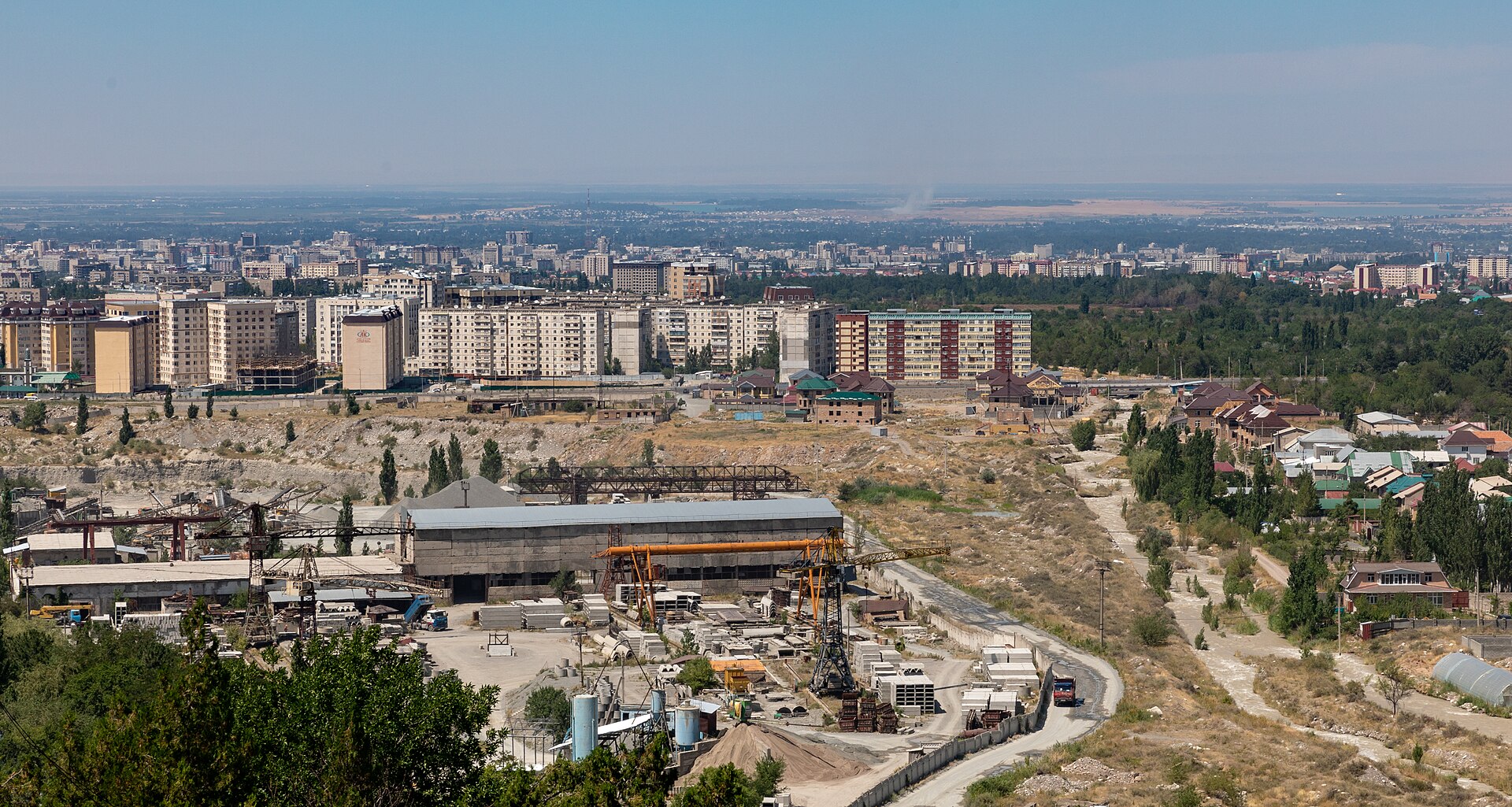
The 6th World Nomad Games concluded in Kyrgyzstan on Sept. 6, 2026. Over the course of a week, equestrian sports, national wrestling disciplines, music and a crafts program were showcased. The event drew public attention, but its popularity also revealed gaps in organizational preparation.
The opening ceremony
The opening ceremony was held at the new Bishkek Arena stadium. Although the stadium's capacity is more than 51,000, roughly 30,000 spectators attended the ceremony. Ticket prices (5,000–9,000 som) and strict entry controls were cited as reasons.
At the ethno-festival grounds in the Kyrchyn Valley, organizers reported roughly 150,000 visits over the first two days. That figure has not been independently confirmed and may include repeat visits.
Transport
Visitors reported waits for shuttle buses stretching up to two hours. Some foreign guests abandoned their visit after being unable to board a bus. Organizers put an additional 40 buses into service midway through the week — an indication that the initial estimate had been insufficient.
The ticketing incident
The most widely discussed episode occurred at the final of the kokpar competition. A total of 7,000 tickets were sold; officials later acknowledged that 4,500 were valid and 2,500 were not. As a result, some spectators who had paid could not be admitted to the grounds.
Organizers offered those affected a refund of 1,000 som, but final figures on the refund process were not released.
- Closing date: Sept. 6, 2026
- Opening ceremony attendance: ~30,000 (capacity 51,000+)
- Ticket price: 5,000–9,000 som
- Additional buses put into service: 40
- Tickets sold for the kokpar final: 7,000; valid — 4,500
Complaints about the competitions
The Afghan team withdrew from the kokpar competition, citing inadequate provision of horses. The captain of the Kazakh team raised objections about the quality of the arena surface and the visibility of the goal ring.
Confusion over the medal table was also recorded: results were published, then removed and posted again. Final corrections were made after the competition closed.
Sanitation and infrastructure
Visitors noted a shortage of toilets and drinking water points at the main venues. Such problems are a standard subject of criticism for multiday outdoor events and are usually linked to a misjudgment of expected attendance.
The overall picture
The games brought together close to 3,000 athletes from 113 countries and were among the largest cultural and sporting events in Central Asia. Kazakhstan led the medal count.
Observers single out two aspects in their final assessment: the cultural program and spectator interest were at a high level; management, logistics and sports administration, however, proved unready for that scale.
The next edition
What the World Nomad Games are
The World Nomad Games are an international competition in the traditional sports of nomadic peoples. They were first held in Kyrgyzstan in 2014 and have since been organized in various countries in turn.
The program includes equestrian disciplines, national wrestling styles, archery, hunting traditions and mind games. An ethno-cultural festival is held alongside the sporting portion.
Close to 3,000 athletes from 113 countries took part in the sixth games in 2026. Kazakhstan led the medal count.
Kokpar and other disciplines
The discipline that draws the largest crowds is kokpar (called kok-boru in Kyrgyzstan). It is a mounted team game in which participants attempt to throw a heavy load into the opponents' goal.
The game places high physical demands on participants and depends directly on the condition of the horses. Inadequate provision of horses was also cited as the reason for the Afghan team's withdrawal from the competition.
The captain of the Kazakh team raised objections about the quality of the arena surface and the visibility of the goal ring — pointing to shortcomings connected with sports administration.
Typical problems at major events
The problems encountered at multiday mass events generally come from the same list: transport capacity, the number of sanitation points, drinking water, ticket control and queue management.
Most of them stem from a misjudgment of expected attendance. Roughly 150,000 visits were reported over the first two days at the festival grounds in the Kyrchyn Valley — a figure that has not been independently verified and may include repeat visits.
The ticketing system
The situation at the kokpar final exposed a weakness in the ticket control system: of the 7,000 tickets sold, 2,500 were found to be invalid. This is usually explained by counterfeit tickets or a technical fault in the control system.
Organizers offered those affected a refund of 1,000 som. Final figures on the refund process were not released.
The economic and image effect
Such events generally pursue two aims: stimulating domestic tourism and raising the country's international profile. Their direct economic effect is usually smaller than the indirect one.
For Kyrgyzstan, 2026 was economically active: growth over seven months reached 11.1 percent. The country announced several major investment agreements in September.
The next games
An official decision on the country and dates for the next games is expected to be announced separately. Conclusions about the organizing experience are usually formalized as recommendations for the next host.
Bishkek Arena
Bishkek Arena, where the opening ceremony was held, is a new multifunctional sports complex in the capital. Its capacity is more than 51,000 spectators, making it the largest stadium in the country.
Roughly 30,000 spectators attended the ceremony, meaning the stadium was not filled. Ticket prices and strict entry controls were cited as reasons.
A ticket price of 5,000–9,000 som is a considerable sum relative to average incomes in the country; this may have been one of the factors creating a barrier to entry for local spectators.
The Kyrchyn Valley
The Kyrchyn Valley, where the ethno-festival is held, is located in the Issyk-Kul region. Traditional yurts are erected here, and craft demonstrations and national dishes are presented.
The valley lies far from urban infrastructure, so transport, water and sanitation fall entirely to the organizers.
Media and interest
The games were widely covered in international media. The event's visual side — equestrian sports, national dress and mountain scenery — was one of the factors that made it appealing for social media.
At the same time, reports about the organizational shortcomings also spread widely. In their final assessment, observers noted that the cultural program and spectator interest were high, while management and logistics proved unready for that scale.
The World Nomad Games have been held since 2014 and are organized in various countries in turn. An official decision on the country and dates for the next games is expected to be announced separately.