Koryo-saram: the deportation of Koreans to Uzbekistan (1937) and the formation of the Korean community
In the autumn of 1937 the Soviet authorities forcibly relocated the Koreans living in the Far East en masse to Central Asia — mainly to Kazakhstan and Uzbekistan. It was the first case in the USSR in which an entire people was deported solely on the basis of ethnicity. This history explainer sets out, on the basis of sources, the reasons for the deportation, its scale and the formation of the Korean (Koryo-saram) community in Uzbekistan.
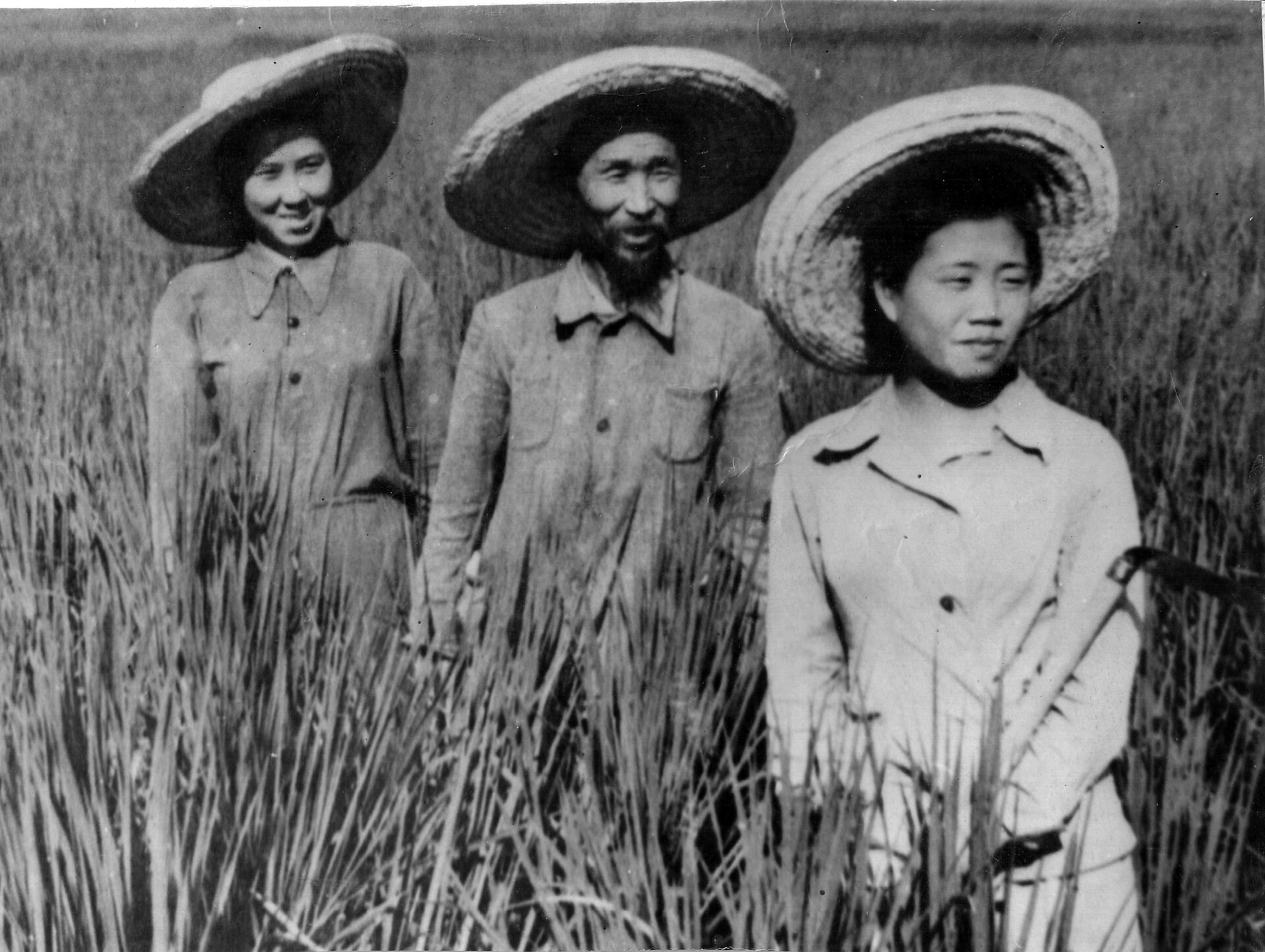
In Uzbekistan's multi-ethnic history the place of the Koreans (Koryo-saram) is distinctive. They came not of their own will but as a result of the forced deportation of 1937, and later became an integral part of the republic's agriculture and society. Below the process is covered as sourced facts only; figures on which estimates differ are flagged as approximate.
The deportation decree
On 21 August 1937 the USSR Council of People's Commissars adopted secret decree No. 1428-326ss. It was signed by Vyacheslav Molotov and Joseph Stalin, with the relocation to be completed by 1 January 1938. The official documents gave as a pretext the risk of "Japanese espionage" among Koreans living near the border with Japanese-controlled Korea and Manchuria. It was the first instance in the USSR of an entire ethnic group being deported solely on the basis of ethnicity.
The scale of the relocation
According to sources, in total about 171,781 people were moved from the Far East to Central Asia. They were transported in 124 railway trains across roughly 6,400 kilometers, with each train's journey lasting 30–40 days. People were packed tightly into freight cars. By distribution, around 20,141 households were sent to the Kazakh SSR and around 18,300 to the Uzbek SSR; in total roughly 100,000 people reached Kazakhstan and more than 70,000 reached Uzbekistan. The Tashkent region alone received 37,321 people.

The journey and the hardship of the first years
The deportation took place under harsh conditions. Estimates of the number who died differ — counting the journey and the hardships of the first years (cold, hunger, disease), figures of 16,500 to 50,000 are cited. On arrival there was not enough housing or food; many were placed in abandoned buildings, warehouses and temporary shelters.
Collective farms and agriculture
The Koreans were soon directed into agriculture. By October 1938, 18,649 Korean households had formed 59 new collective farms, and a further 3,945 had joined existing ones. In Uzbekistan the Korean collective farms, especially in the Tashkent region, became leaders in growing rice and cotton. Korean farmers are noted as having played a major role in spreading rice cultivation across Central Asia.
Model farms
Some Korean collective farms became models across the whole Union. The "Politotdel" collective farm near Tashkent was well known. Kim Pen Hwa (Kim Pyong-Hwa) ran the "Polyarnaya Zvezda" ("Pole Star") collective farm near Tashkent for 34 years, until his death in 1974; for his results in growing cotton, wheat and rice he was awarded the title of Hero of Socialist Labour twice.
Restrictions and rehabilitation
The movement of the deported Koreans was restricted for a long time: although they were permitted passports on 3 March 1947, their place of residence was confined to Central Asia. On 1 April 1993 the Supreme Soviet of the Russian Federation declared the acts adopted against Soviet Koreans since 1937 illegal and rehabilitated them as victims of political repression.
The community today
Over the past decades the Koreans have become one of Uzbekistan's stable and well-integrated communities. According to estimates, about 174,000 Koreans live in Uzbekistan today — one of the largest Korean communities outside Korea. This historical tragedy of deportation became part of Uzbekistan's modern multi-ethnic character.
