The Uzbek diaspora in Pakistan: how the Turkestani émigré community formed
The Uzbek community in Pakistan formed through two major historical waves: Turkestanis who fled to Afghanistan in the 1920s–30s after Soviet repression and the defeat of the Basmachi movement, and Afghan Uzbeks who crossed into Pakistan after the 1979 Soviet-Afghan war. Below, the formation of this community is set out using only verified sources.
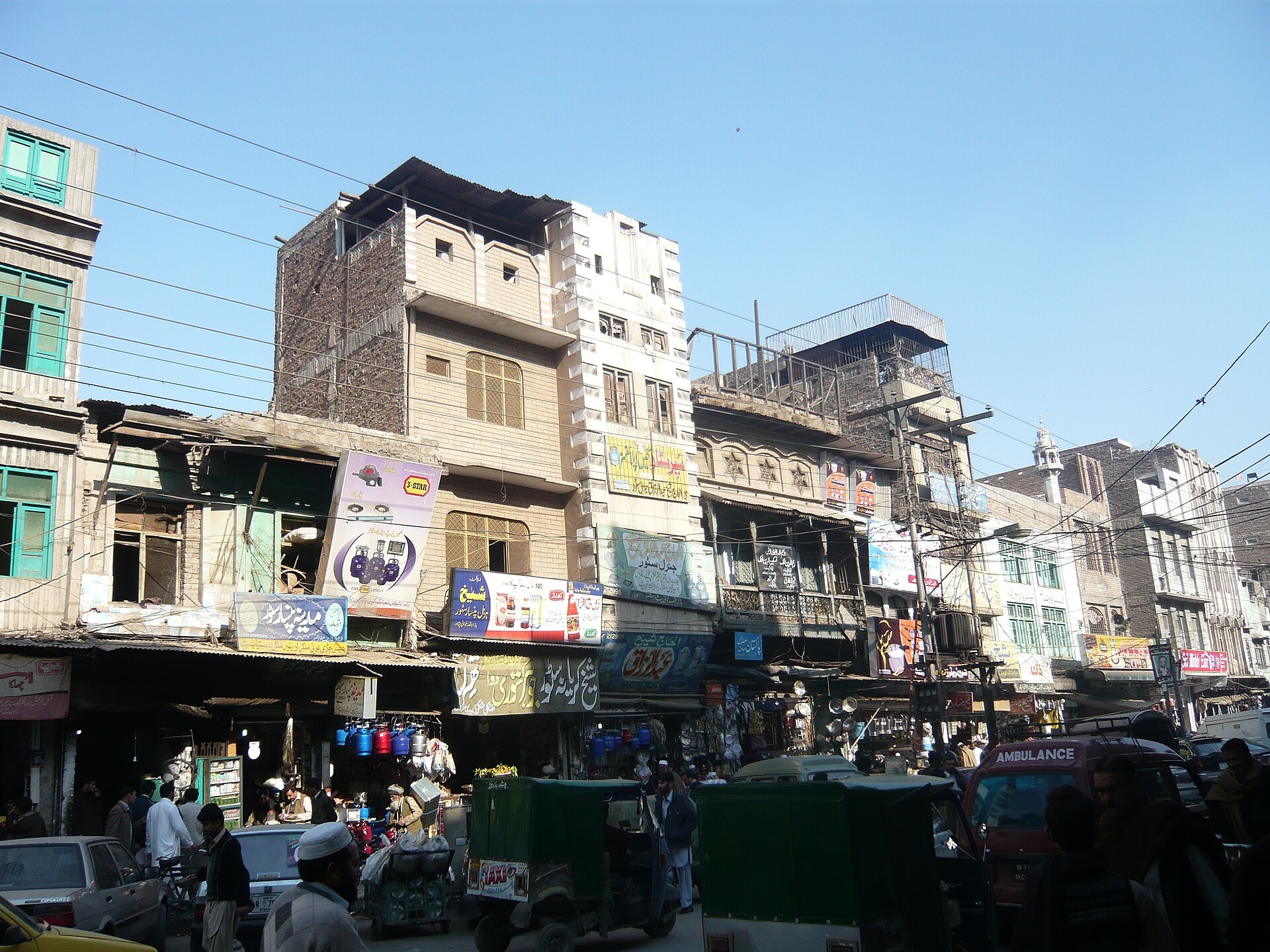
Around one million Uzbeks live in today's Pakistan. This community formed over several generations, mainly through two major historical waves. Below, how Uzbek (and more broadly, Turkestani) émigrés came to Pakistan and where they settled is set out using only verified sources.
Historical roots
Uzbeks' connection with the territory of today's Pakistan has a long history. According to sources, Uzbeks ruled the Pakhli region (today's Hazara, Khyber Pakhtunkhwa) from 1472 to 1703 — more than two hundred years. However, most of today's Uzbek diaspora relates not to that early period but to the migration waves of the 20th century.
The first wave: the Basmachi and Soviet repression
In the 1920s–30s, after the Basmachi movement against Soviet power in Central Asia was defeated and Soviet repression intensified, thousands of Uzbeks and other Turkestanis fled to neighboring Afghanistan. This was the first major wave of Turkestani emigration; some of these émigrés later spread from Afghanistan to other countries, including the territory of today's Pakistan.

The second wave: the Soviet-Afghan war
The second major wave is tied to the Soviet Union's 1979 invasion of Afghanistan and the war that followed. The war drove Afghan Uzbeks (the Uzbek population of northern Afghanistan) into mass displacement; many crossed into neighboring Pakistan. According to the Minority Rights Group, the Uzbeks and Turkmens of Afghanistan are themselves connected to the descendants of the 1920s–30s Basmachi participants.
Where they live
Today about one million Uzbeks live in Pakistan. They are concentrated mainly in the country's northwest — Khyber Pakhtunkhwa (especially Peshawar) — as well as Balochistan, Punjab, Gilgit-Baltistan and the city of Karachi. According to some accounts, hundreds of villages were established near Karachi for Uzbek and Tajik refugees.
Onward migration to Turkey
Part of the Afghan Uzbek refugee population in Pakistan later moved on. In 1981, a number of Afghan Uzbek refugees crossed from Pakistan to Turkey and joined the existing Turkestani communities there — in Kayseri, İzmir, Ankara and the Zeytinburnu district of Istanbul.
Language and culture
Uzbeks in Pakistan usually speak several languages: their mother tongue Uzbek, along with Dari, Pashto and the country's official languages, Urdu and English. While the community tries to preserve its mother tongue and traditions, cultural adaptation is also seen with the change of generations and the influence of the local environment.
