World Bank: Uzbekistan's Poverty Fell From 17% to 5.8%, Middle Class Roughly Doubled
3.7 million people left poverty in 2021–2025; but most new jobs are informal and prosperity is uneven across regions.
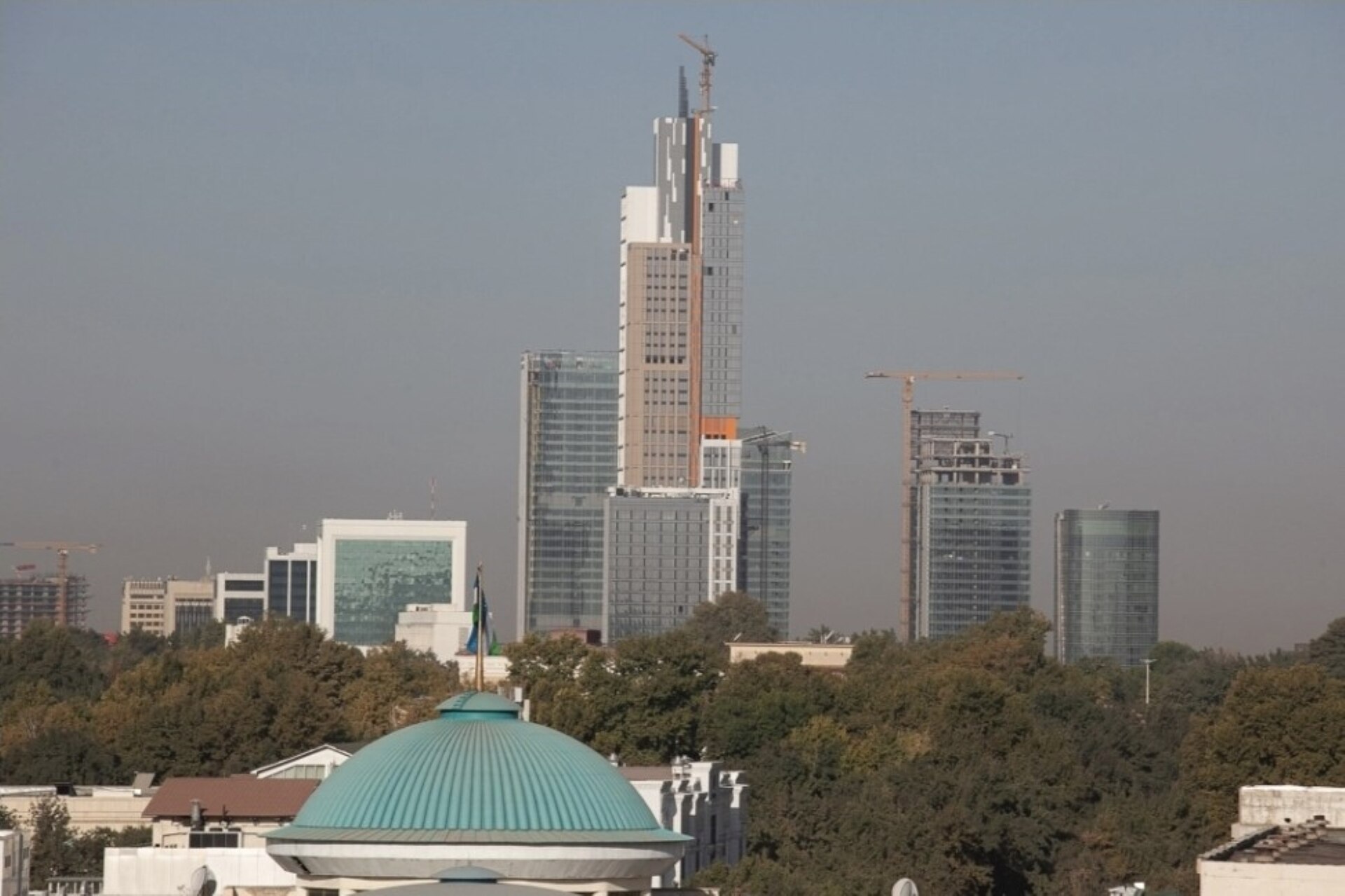
According to a new World Bank report, Uzbekistan's poverty rate fell from 17% to 5.8% between 2021 and 2025. Over the period 3.7 million people left poverty — one of the largest reductions among middle-income countries.
The middle class expanded
The share of the middle class rose from 37% to more than 72%. In Tashkent the upper-middle class grew more than fourfold since 2021. However, about half of high-skilled jobs are concentrated in Tashkent city and region.
Job quality
The report warns that about 85% of new jobs are informal. Two-thirds of new jobs were created in construction and trade, while real labour productivity has begun to decline.

Women and inequality
Women earn on average 35–40% less than men; mothers of children under two are 36% less likely to be employed. Tertiary enrolment ranges from 63% in Tashkent to 23% in some regions.
Social protection
Cash transfer coverage fell from 26% to 8% between 2022 and 2025.
In brief
- Report: World Bank Poverty and Equity Assessment
- Poverty: 17% → 5.8% (2021–2025)
- Left poverty: 3.7 million
- Middle class: 37% → 72%
- Informal new jobs: ~85%
- Women earn 35–40% less than men
