The Tashkent Collective Security Treaty (15 May 1992) and Uzbekistan
On 15 May 1992 the Collective Security Treaty (CST) was signed in Tashkent — the organization that became the CSTO (ODKB) grew out of it. The six original signatories were Russia, Armenia, Kazakhstan, Kyrgyzstan, Tajikistan and Uzbekistan. The treaty entered into force on 20 April 1994 for a five-year term. Uzbekistan declined to renew it in 1999, rejoined in 2006, and suspended its membership in 2012. A foreign-policy concept adopted in 2012 set out non-participation in military blocs, no foreign military bases, and no sending troops abroad. Based on verified facts.
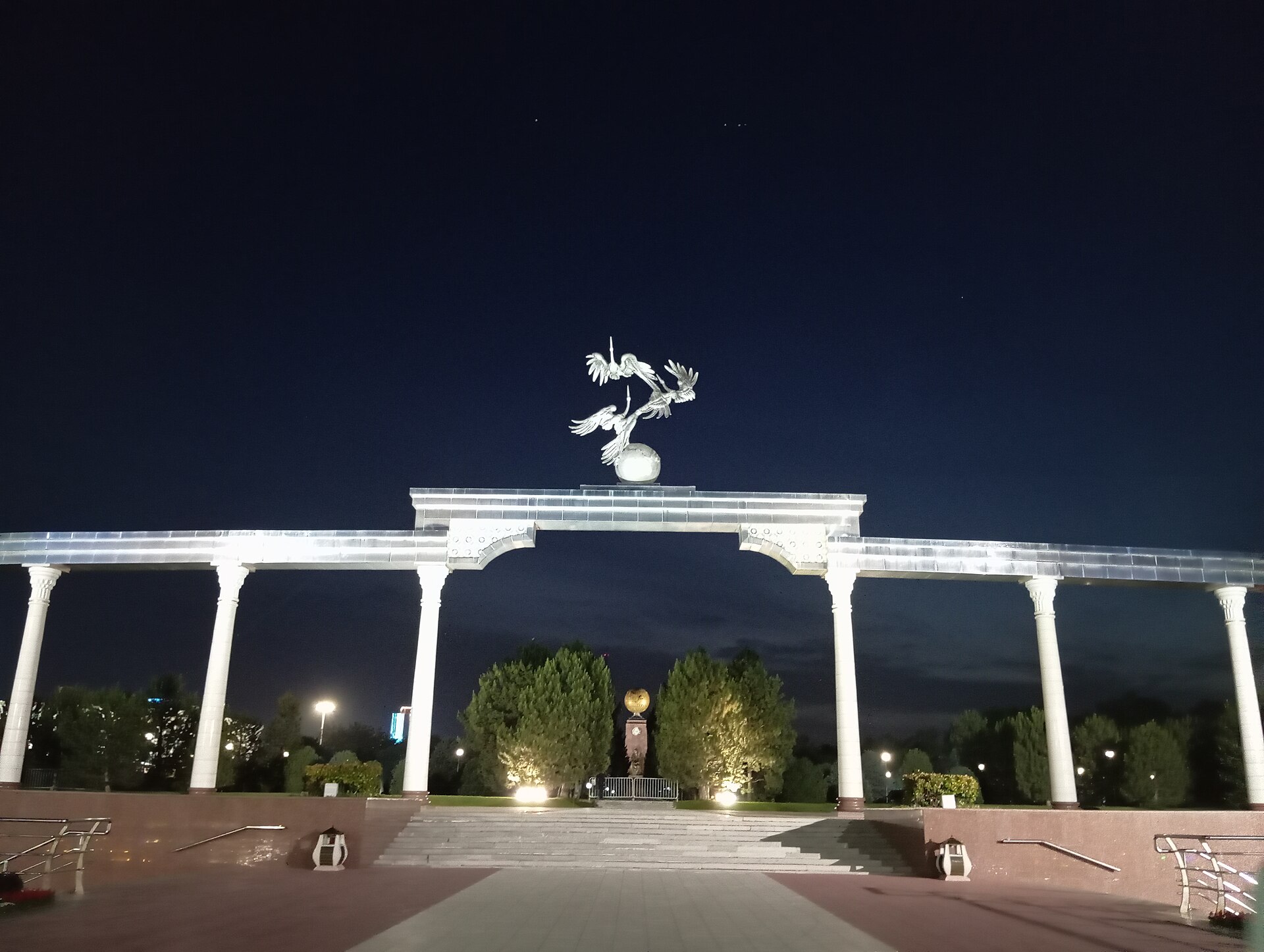
In the first years of independence Uzbekistan signed a major security treaty in its own capital, then stepped away from it twice, ultimately choosing a path of non-alignment. This is a fact-based history that shows a young state conducting an independent foreign policy. Below only verified dates and facts (official CSTO sources and other reliable sources) are given.
15 May 1992: the signing
The Collective Security Treaty (the Tashkent Treaty) was signed on 15 May 1992 in Tashkent, within the framework of the CIS. The six original signatory states were Russia, Armenia, Kazakhstan, Kyrgyzstan, Tajikistan and Uzbekistan. Uzbekistan's president at the time was Islam Karimov; the country had declared independence on 1 September 1991.
Expansion and entry into force (1993–1994)
In 1993 three more states — Azerbaijan, Georgia and Belarus — joined the treaty. After national ratifications were completed, the treaty entered into force on 20 April 1994 for a five-year term (with provision for later extension).

Article 4: collective defense
Under Article 4 of the treaty, aggression against any member state (an armed attack threatening its security, stability, territorial integrity and sovereignty) is considered aggression against all member states; the other members, at the victim state's request, immediately provide the necessary assistance, including military assistance, in accordance with the right of collective defense under Article 51 of the UN Charter.
1999: Uzbekistan did not renew
In 1999, when the first five-year term expired and the treaty came up for extension, Azerbaijan, Georgia and Uzbekistan did not sign the extension protocol and left the treaty. The remaining six — Armenia, Belarus, Kazakhstan, Kyrgyzstan, Russia and Tajikistan — signed the extension.
2002: becoming an Organization (CSTO)
On the basis of the 1992 Treaty, an Organization was created in 2002: the charter of the CSTO (Collective Security Treaty Organization, in Russian ODKB) was signed on 7 October 2002 at a CIS summit in Chisinau, Moldova, and entered into force in 2003 (registered with the UN in December 2003). The key distinction: 1992 is the Treaty itself (the CST, the 'Tashkent Treaty'); 2002 is the Organization (CSTO) built upon it.
Uzbekistan: rejoining (2006) and suspension (2012)
Uzbekistan rejoined the CSTO in 2006 (membership was resumed in the summer; parliamentary ratification followed on 28 March 2008) — this coincided with a period of tense relations with the West after the Andijan events of 2005. In June 2012 Uzbekistan sent a note to the CSTO Secretariat suspending its membership; the Organization formally endorsed the suspension on 19 December 2012.
A policy of non-alignment
In August 2012 Uzbekistan's Oliy Majlis adopted the country's first Concept of Foreign Policy Activity, which set out non-participation in military-political blocs, no foreign military bases on its territory, and no sending of troops abroad. Uzbekistan remains outside the CSTO and has maintained a path of non-alignment to this day.
