Summer 2026 Was the Second-Hottest in Uzbekistan's History
According to Uzhydromet, seasonal temperatures ran 1.2 to 2.6 degrees above normal. Some areas recorded their hottest summer on observational record; August was record-hot across much of the country.
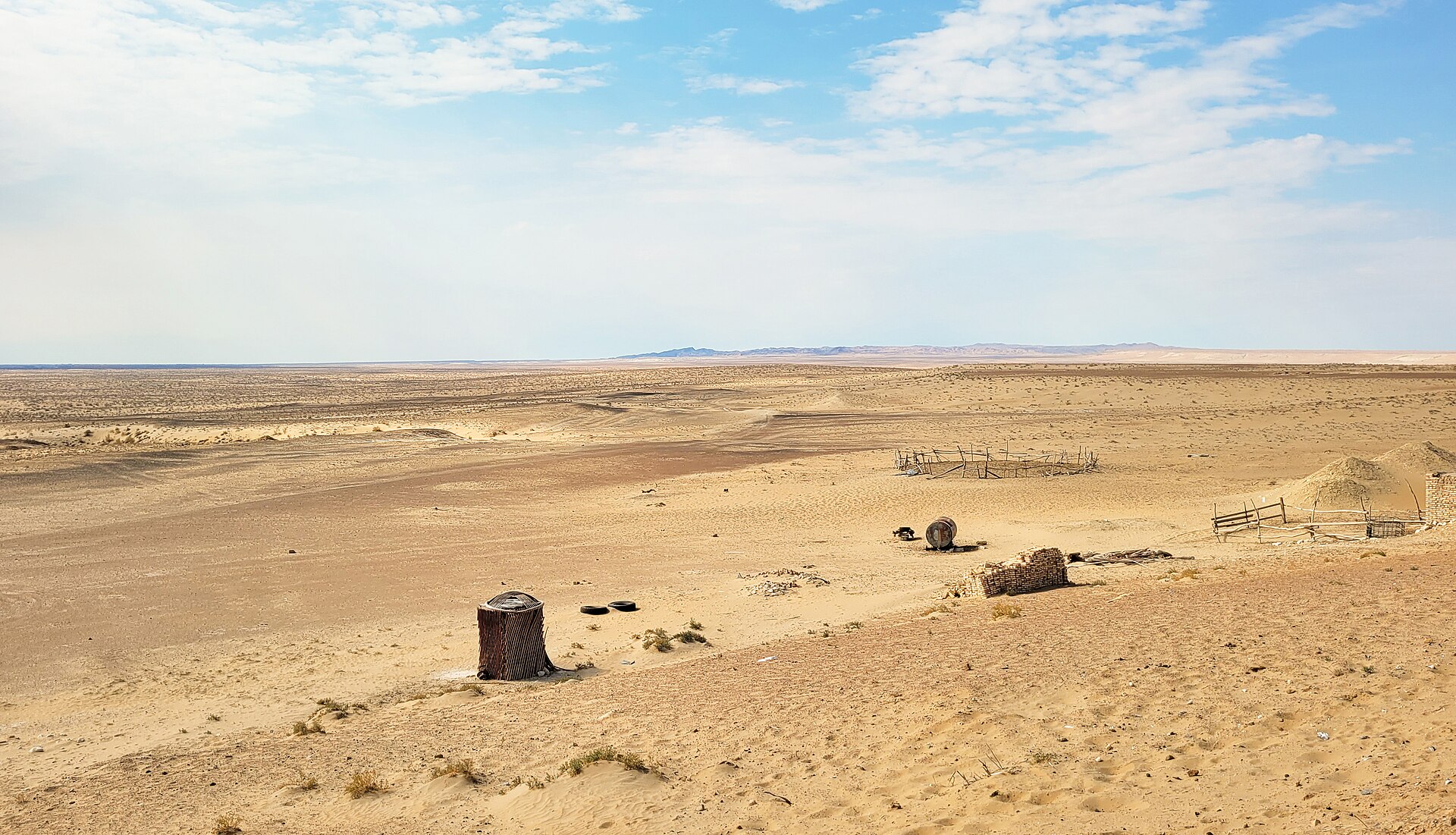
According to Uzbekistan's Hydrometeorological Service Center (Uzhydromet), the summer of 2026 was the second-hottest summer in the country's history of meteorological observation. The announcement was made on Sept. 10.
Average seasonal temperatures were recorded 1.2 to 2.6 degrees above the climate norm. In some parts of the country, it was the hottest summer since observations began.
July was the hottest month
The season's highest temperatures fell in July. Air temperatures reached 43 to 45 degrees across much of the country. In the southern regions and the desert zone, readings of 46 to 50 degrees were recorded.
August: a record in the observational history
August stood out in particular. According to Uzhydromet, the average monthly air temperature was 1.9 to 3 degrees above long-term values. In some parts of the Bukhara, Navoi, Kashkadarya and Surkhandarya regions, the difference reached 3.1 to 3.6 degrees.
In most districts of the country, such a hot August was observed for the first time in the history of meteorological observation in Uzbekistan.
— Uzhydromet information (from Gazeta.uz translation, 10.09.2026)
At the same time, although the month was record-hot by average readings, maximum temperatures did not reach record levels almost anywhere. On the hottest days, temperatures were around 39 to 41 degrees; in the north, south and desert zone, 42 to 44 degrees were recorded, and in Termez 45 degrees.
By the numbers
- Summer 2026: 2nd-hottest summer on record
- Seasonal temperature above norm: +1.2–2.6 °C
- In July: 43–45 °C, 46–50 °C in the desert and south
- In August, above norm: +1.9–3 °C
- Bukhara, Navoi, Kashkadarya, Surkhandarya: +3.1–3.6 °C
- Maximum in Termez: 45 °C
- Days at 40 °C and above: 18–21 days in some areas
In some areas, the number of days with air temperatures of 40 degrees and above came to 18 to 21 days.
Precipitation
The summer of 2026 was dry. Across much of the country there was very little precipitation or none at all. Most of the seasonal precipitation fell in June, but total summer rainfall remained below average in most areas.
Why this matters
High temperatures and low precipitation together increase demand for irrigation water. Uzbek agriculture relies mainly on irrigation; growing cotton, wheat and fruits and vegetables depends directly on the water supply.
Most of the country's water resources come from the Amu Darya and Syr Darya basins. The flow of these rivers originates in the glaciers of the Pamirs and the Tian Shan. According to a document published by the Kyrgyz government in early September, the country's glacier area has shrunk 16 to 17 percent since the start of the 21st century.
The heat load also affects the power grid: summer consumption rises sharply due to air conditioning use. Summer peak loads in Uzbekistan have been rising steadily in recent years.
The regional picture
Central Asia is among the regions most sensitive to climate change. In Kyrgyzstan, average temperatures rose by roughly 0.28 degrees per decade between 1981 and 2020. The peak flow period of the region's rivers has shifted roughly 50 days earlier relative to historical readings.
These changes create a mismatch between irrigation schedules and the natural flow schedule: more water flows in spring rather than in the summer months when it is most needed.
Context
By region
According to Uzhydromet, the largest deviations were recorded in the country's southern and western regions. In some parts of the Bukhara, Navoi, Kashkadarya and Surkhandarya regions, the average August temperature was 3.1 to 3.6 degrees above long-term values.
These four regions lie in the country's desert and semi-desert zone. Cotton, wheat, grapes and pomegranates are grown there; agriculture relies entirely on irrigation.
Termez — the capital of the Surkhandarya region and the country's southernmost city — recorded a temperature of 45 degrees in August. The city lies close to the Afghan border and is traditionally one of Uzbekistan's hottest points.
The difference between maximum and average temperatures
Uzhydromet's information noted an important nuance: although August was record-hot by average readings, maximum temperatures did not reach record levels almost anywhere.
That is, what distinguished this summer was not extreme temperatures on individual days but the persistence of the heat. On the hottest days, temperatures were around 39 to 41 degrees; in the north, south and desert zone, 42 to 44 degrees were recorded.
In some areas, the number of days with air temperatures of 40 degrees and above came to 18 to 21 days. Prolonged heat reduces soil moisture and increases plants' water requirements.
The effect on agriculture and water
High temperatures and low precipitation together increase demand for irrigation water. Uzbek agriculture relies mainly on irrigation; growing cotton, wheat and fruits and vegetables depends directly on the water supply.
Most of the country's water resources come from the Amu Darya and Syr Darya basins. The flow of these rivers originates in the glaciers of the Pamirs and the Tian Shan — meaning Uzbekistan's water supply forms in mountain ranges on the territory of neighboring countries.
According to the climate adaptation plan published by the Kyrgyz government in early September, the country's glacier area has shrunk 16 to 17 percent since the start of the 21st century, and the rivers' peak flow period has shifted roughly 50 days earlier.
The load on the energy system
Heat also affects the power grid: summer consumption rises sharply due to air conditioning use. Summer peak loads in Uzbekistan have been rising steadily in recent years.
At the same time, hot weather indirectly affects the operation of hydroelectric plants: evaporation from reservoirs increases and flow regimes change.
The regional picture
Central Asia is among the regions most sensitive to climate change. In Kyrgyzstan, average temperatures rose by roughly 0.28 degrees per decade between 1981 and 2020 — above the global average.
The peak flow period of the region's rivers has shifted roughly 50 days earlier relative to historical readings. This creates a mismatch between irrigation schedules and the natural flow schedule: more water flows in spring rather than in the summer months when it is most needed.
According to World Bank estimates, without adaptation measures Kyrgyzstan could lose 2 to 3 percent of its gross domestic product by 2040. Risks for the region's downstream countries — Uzbekistan and Kazakhstan — are assessed in similar terms.
The policy response
At the SCO summit in Bishkek on Sept. 1, Uzbekistan's president proposed a new mechanism for coordinating food, water and energy security, along with a technological cooperation program on water and energy efficiency through 2035.
In early September, Tashkent and Samarkand joined the “Green Cities” network of the UN Food and Agriculture Organization. The network is aimed at expanding green space in cities and making food systems more sustainable.
About the source of the data
Uzhydromet — Uzbekistan's Hydrometeorological Service Center — is the state body responsible for meteorological observation in the country. It publishes daily weather forecasts, seasonal reviews and climate reports.
Regular meteorological observation on Uzbek territory began in the late 19th century; a systematic network took shape in the first half of the 20th century. The official announcement did not specify which year holds the first-place record for the summer season.
Uzhydromet's data is based on the history of meteorological observation. Regular meteorological observation on Uzbek territory began in the late 19th century; a systematic network took shape in the first half of the 20th century.
The official announcement did not specify which year holds the first-place record for the summer season.