Russia's rules on wearing a hijab in document photos: what is and isn't allowed
Under a Russian Interior Ministry order in force since May 5, 2024, believers may be photographed for documents in a head covering — a hijab or headscarf — that leaves the oval of the face visible. A niqab or burqa that covers the face is not allowed.
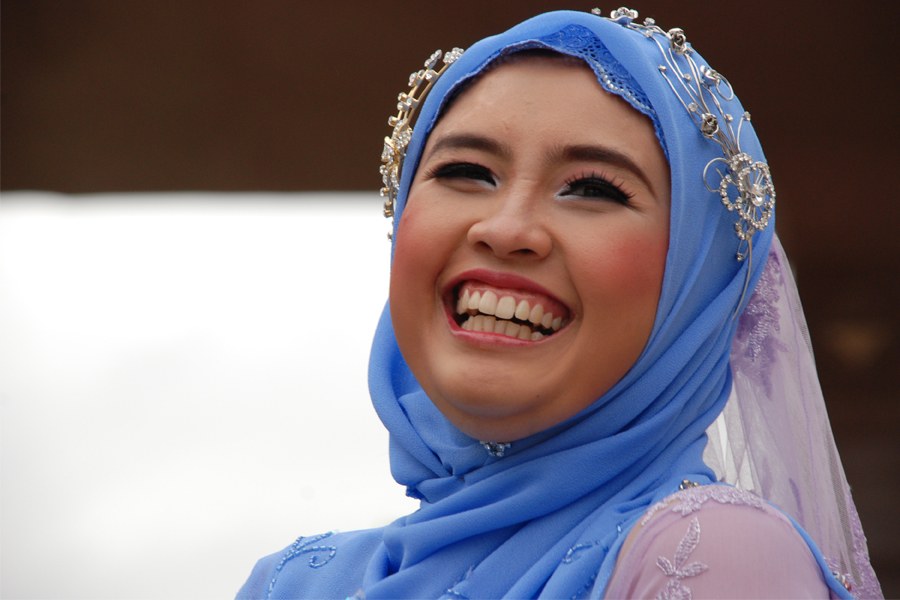
Under an order of the Russian Ministry of Internal Affairs (MVD), people whose religious beliefs do not allow them to appear uncovered before strangers may be photographed for documents in a head covering. The order was published on the official legal information portal and came into force on May 5, 2024.
The key condition — the face must be visible
The rule states that photographs are provided in 'head coverings that do not conceal the oval of the face.' A hijab or headscarf is allowed because it leaves the face open. However, a niqab or burqa that fully or partially covers the face — the chin or forehead — is not allowed, and such photos are rejected. The reason is identification and security: the face must be visible for video-monitoring systems.
Which documents it covers
The rule applies to documents such as a Russian citizenship application, passport, driver's license, and work permit or patent. It applies both to foreign nationals seeking Russian citizenship and to existing citizens.

A right recognized since 2003
This right is not new: in 2003 Russia's Supreme Court recognized believers' right to be photographed for documents in a head covering and found the 1997 ban unlawful. The 2024 MVD order standardized a practice that had been applied differently across regions.
Why it matters for the diaspora
About 1.3 million Uzbekistani citizens work in Russia (2025 data), many of them Muslim women. For them, the rule on wearing a hijab in document photos has practical importance when applying for citizenship, patents and other documents.
