The 1916 Turkestan revolt and the "mardikor" conscription: forced mobilisation, repression and mass flight
On 25 June 1916 (Old Style), Emperor Nicholas II of Russia issued a decree forcibly mobilising the native population of Turkestan and the Steppe region for rear-line labour in World War I (the "mardikor" call-up). It sparked Turkestan's largest anti-colonial revolt; the Jizzakh uprising was brutally suppressed, thousands died, and a mass flight began. This is a sourced historical explainer only.
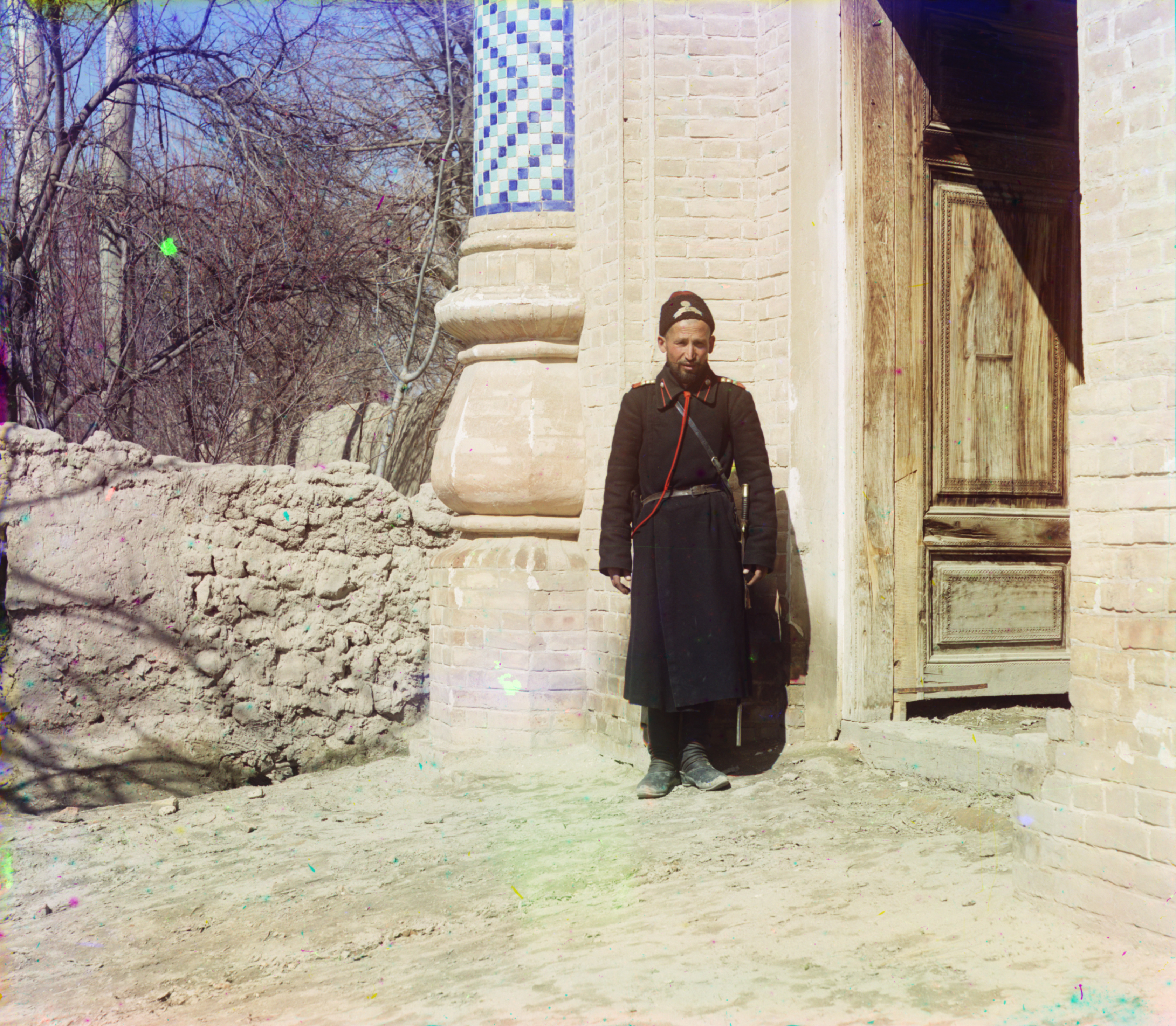
On 25 June 1916 (Old Style; 8 July by the New Style), Emperor Nicholas II of Russia issued a decree forcibly mobilising the native, "Muslim" population of the Turkestan and Steppe governorates for rear-line labour during World War I — building fortifications and military roads and performing defensive work. The call-up covered men aged 19 to 43. The rear-line workers became known among the people as "mardikor" (labourers). Only sourced facts are set out below.
Why opposition ran so deep
When Turkestan was incorporated into the Russian Empire, the local Muslim population had been promised that it would not be called up for military service. The 1916 decree broke that promise. Moreover, the call-up lists were often drawn up corruptly — the wealthy were struck off for money while the poor were taken by force. The economic, political, religious and national dimensions of Tsarist colonial rule are cited as the main causes of the revolt.
How the revolt spread
The protests turned into a revolt across Turkestan in July 1916. In the territory of present-day Uzbekistan it was strongest in the Fergana Valley, the Samarkand region and Tashkent, and especially in Jizzakh. The largest mass flight, however, unfolded in the Semirechye region (present-day Kyrgyzstan and Kazakhstan).

The Jizzakh uprising
The uprising that broke out in Jizzakh in July 1916 lasted about two weeks and was suppressed by 26 July. It was led by Nazir Ishan (Nazirkhoja); the Russian Colonel Rukin was killed in action. According to the sources, 83 Russian settlers were killed and 70 captured. To suppress it, 13 companies, 6 cannons and Cossacks were dispatched from Tashkent; many local civilians died as Zomin and Jizzakh were retaken. The area where Colonel Rukin died was razed over a distance of five versts and turned into state property. Nazir Ishan was hanged, and the remaining participants were sentenced to prison and exile.
Casualties and repression
The suppression involved the burning of villages, the destruction of crops, land seizures and the displacement of communities. Estimates of the death toll across Central Asia vary widely: the Kyrgyz historian Batyrbaeva, working from population counts, gives about 40,000, while Edward Sokol's 1954 estimate puts Central Asian deaths at around 270,000. Russian losses are recorded as 2,325 killed and 1,384 missing.
The mass flight — the "Urkun"
In the autumn of 1916, fleeing the suppression, tens of thousands of Kyrgyz and Kazakhs set out toward China (Eastern Turkestan) — the event remembered in history as the "Urkun" (the flight). Many of the refugees died of cold and hunger on the Tien Shan passes above 3,000 metres. A portion of Turkestan's Uzbek and other population also fled the repression into Afghanistan and Eastern Turkestan (Kashgar).
Historical significance and its effect on migration
The 1916 revolt was the largest anti-colonial challenge in Turkestan and laid the ground for later events — the 1917 revolution and the Basmachi movement that began in 1918, together with the associated waves of mass emigration. In this way 1916 is one of the major turning points in the history of forced displacement and political émigré life from Turkestan. The formation of the Turkestan political emigration led by Mustafa Chokay is also bound up with the events of this period.
In sum: the 1916 "mardikor" decree triggered a mass revolt in Turkestan; the revolt was brutally suppressed, thousands died and tens of thousands fled abroad. These events left a deep mark on the history of forced migration of Uzbeks and Central Asians more broadly. The dates and figures in this explainer rest on the cited sources.
