Witkoff and Kushner Hold Three Hours of Talks With Putin in Moscow
The U.S. special envoys discussed Trump's proposal on Sept. 5. No official breakthrough was announced after the meeting; the Kremlin called the conversation “constructive.”
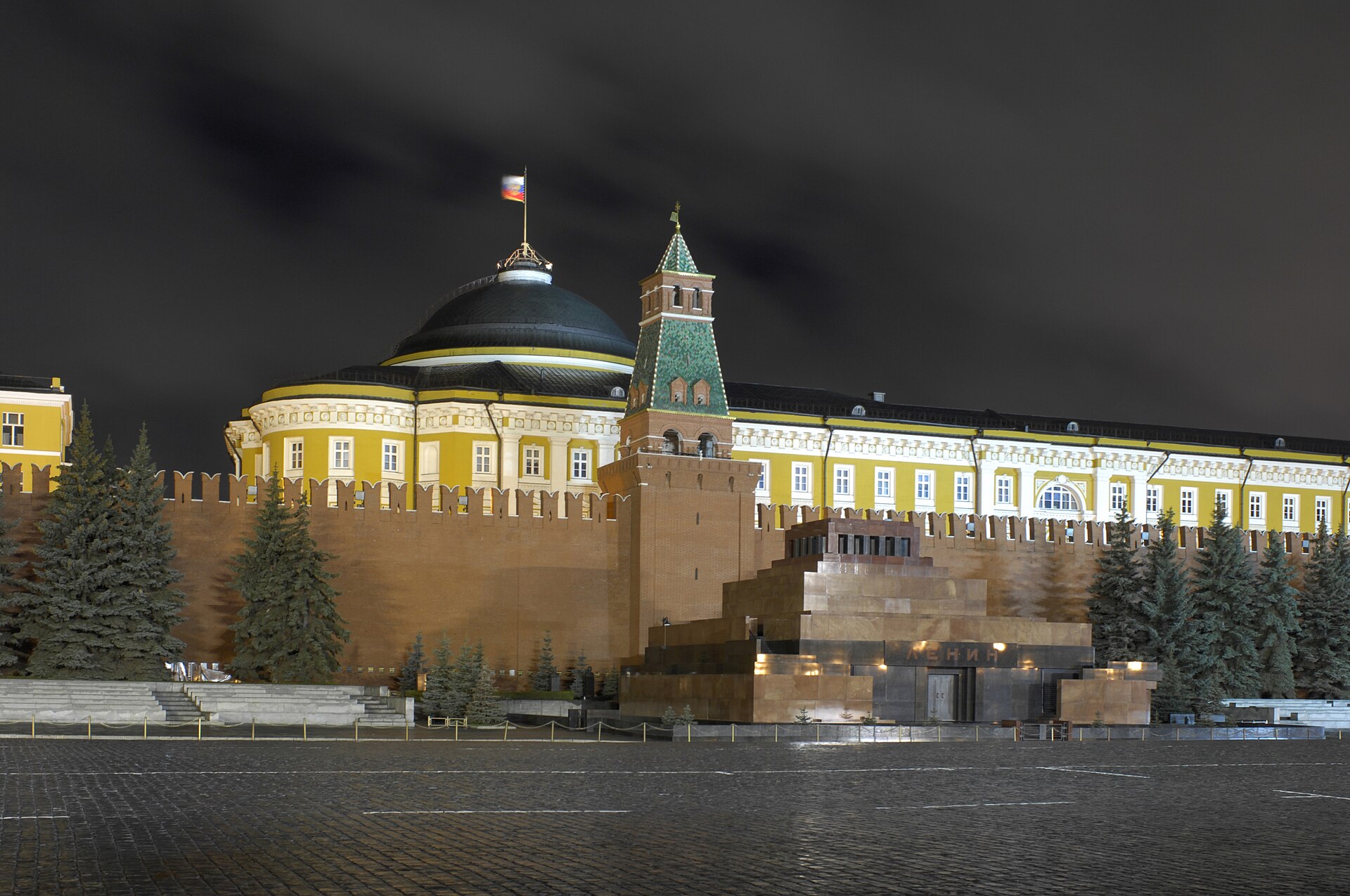
On Sept. 5, 2026, U.S. presidential special envoys Steve Witkoff and Jared Kushner met with Russian President Vladimir Putin in Moscow. The talks lasted more than three hours and ended without any official agreement being announced.
Kremlin adviser Yuri Ushakov described the conversation as “substantive, very frank and constructive” and said “a number of ideas” on a peace agreement had been discussed.
The visit to Kyiv
After the Moscow meeting, the American envoys headed for Kyiv. Their plane landed in Poland, and the delegation reached the Ukrainian capital overland on Sept. 6. President Volodymyr Zelensky was scheduled to meet with them that day.
It was the special envoys' first visit to Kyiv since Donald Trump returned to the presidency for a second term.
A temporary restriction
To facilitate the talks, the parties agreed to a limited-duration arrangement: Russia said it would not strike Kyiv for three days, and Ukraine said it would not attack Moscow until Monday.
The parties' positions
Putin reiterated that Russia would achieve its military objectives and that the conflict's “root causes” must be addressed. He described the situation as “certainly not simple.”
Trump, for his part, said the envoys were carrying “a proposal to end the war.” The Ukrainian side had earlier said it had submitted new proposals to Washington; they include three elements — a ceasefire, the establishment of a free economic zone, and security guarantees involving the European Union and NATO.
- Meeting in Moscow: Sept. 5, more than 3 hours
- Arrival in Kyiv: Sept. 6
- U.S. envoys: Steve Witkoff, Jared Kushner
- Temporary restriction: no strikes on Kyiv for 3 days, none on Moscow until Monday
Why it matters for Central Asia
The war in Ukraine affects Central Asia's economies through several channels. The first is migration and remittances: conditions in the Russian market bear directly on the earnings of labor migrants from the region.
The second is transport. More than 80 percent of Kazakhstan's oil exports go through the Caspian Pipeline Consortium (CPC) to the Novorossiysk terminal; over the course of 2026, loading was halted several times because of drone attacks on the terminal and on tankers, including on Sept. 8.
The third is alternative corridors. Freight traffic along the Trans-Caspian route (the “Middle Corridor”) rose 22 percent in January–August 2026.
The diplomatic backdrop
Several rounds of talks took place over the course of 2026, including temporary restrictions announced in April and May. No agreement on a permanent ceasefire was reached, however.
A mass attack was carried out on Kyiv on Sept. 8: according to official figures, 5 people were killed, and air defenses shot down 142 drones and 31 missiles. This deepened uncertainty over the duration and outcome of the talks.
A cautious assessment
The special envoy format
Steve Witkoff and Jared Kushner have taken part in negotiations on a range of international tracks as U.S. presidential special envoys. This format makes it possible to establish direct contact outside formal diplomatic channels.
Special envoys generally hold broad authority, but their agreements still require formal approval.
Yuri Ushakov, the president's foreign policy adviser, took part on the Kremlin's side at the Moscow meeting and reported on the results of the conversation.
The history of the talks
Several rounds of talks on Ukraine took place over the course of 2026. Temporary ceasefires were announced in April and May, but they did not last long.
Talks between U.S. and Ukrainian delegations were held in Florida in March; in February, Ukraine's president had spoken of an aim to conclude an agreement by June.
The proposals submitted by the Ukrainian side to Washington set out three elements: a ceasefire, the establishment of a free economic zone, and security guarantees involving the European Union and NATO.
What the temporary restriction means
The restriction announced during the talks — no Russian strikes on Kyiv for three days and no Ukrainian strikes on Moscow until Monday — is not a full truce but a limited arrangement.
Such restrictions are generally used to ensure delegations' safety and create an environment for negotiations. They do not apply to operations along the front line.
A mass attack was carried out on Kyiv on Sept. 8: according to official figures, 5 people were killed, and air defenses shot down 142 drones and 31 missiles.
The economic impact on Central Asia
The war in Ukraine affects the region's economies through several channels. The first is labor migration: conditions in the Russian market bear directly on the earnings of workers from the region.
In the first half of 2026, entries into Russia for work purposes by citizens of Uzbekistan, Tajikistan and Kyrgyzstan fell 15 percent. Between Aug. 25 and Sept. 5, 96,415 Uzbek citizens returned home.
The second channel is transport. More than 80 percent of Kazakhstan's oil exports go through the Caspian Pipeline Consortium to the Novorossiysk terminal; over the course of 2026, loading was halted several times because of drone attacks on the terminal and on tankers, including on Sept. 8.
The third channel is alternative routes. Freight traffic along the Trans-Caspian route rose 22 percent in January–August 2026, while East–West transit increased 55 percent.
The region's states' position
Central Asian states have maintained a position of neutrality in the conflict. While continuing economic and security ties with Russia, they are also expanding cooperation with the West.
This dual approach was visible in several events in September 2026: the SCO summit concluded in Bishkek on Sept. 1, Kazakhstan's president met with the U.S. special envoy on the sidelines of the BRICS summit on Sept. 12, and Uzbekistan's president made a state visit to South Korea on Sept. 13–16.
Assessing the results
Observers noted the visit's symbolic significance while taking a cautious position on whether concrete results would emerge. The full substance of the talks and the text of the proposal have not been officially released.
The Russian side continues to repeat that it will achieve its military objectives and that the conflict's “root causes” must be addressed — formulations that generally signify broader political demands.
The meeting in Kyiv
The American envoys' plane landed in Poland and the delegation reached Kyiv overland. Ukrainian airspace has remained closed to civil aviation since the start of the war.
Foreign delegations therefore generally travel by train or car through Poland or Moldova. Such a journey usually takes more than ten hours.
Public expectations
Observers in Ukraine assessed the visit as an important step but one whose outcome was not clear in advance. Analysts noted that the Russian side believes it holds a military advantage and that its readiness to compromise is therefore limited.
No schedule for further stages or meetings in the negotiation process has been officially announced.
Observers noted the visit's symbolic significance while taking a cautious position on whether concrete results would emerge. The full substance of the talks and the text of the proposal have not been officially released.