Ohio: after Haitian migrants lost protection, Springfield began to empty out
After the Trump administration ended Temporary Protected Status (TPS) for Haitians, Springfield — home to roughly 15,000 migrants — is seeing workers dwindle and some businesses close.
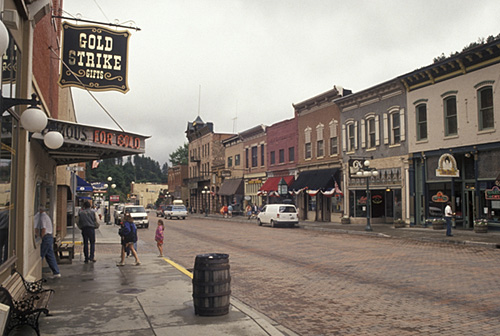
Springfield, Ohio, took in thousands of Haitian migrants over the past decade — they filled factory and warehouse jobs and helped revive the local economy. Now, after the Trump administration ended Temporary Protected Status (TPS) for Haitians, the town is going through the reverse: a shrinking population and workforce.
What happened
At the end of June 2026, the U.S. Supreme Court allowed the Trump administration to end TPS for Haitians. The decision was announced by Homeland Security Secretary Kristi Noem. The protection covered roughly 330,000 Haitians nationwide and officially ended on 27 July 2026.
The numbers
According to the Ohio Capital Journal, at least five Haitians from Springfield have been deported to Haiti. Since 27 July, more than 50 people in the city have received letters from the Department of Homeland Security to report to an ICE office. According to Haiti's National Office for Migration, more than 470 people were returned from the U.S. to Haiti between 20 August and 17 September — including some with pending asylum claims.

The false 2024 claim
During a 2024 campaign debate, Donald Trump claimed that migrants in Springfield were eating pets — a claim repeated by several politicians at the time. Springfield police and local officials rejected it, saying there were no credible reports of pets being harmed by members of the immigrant community. Snopes, CNN and other outlets found the claim to be unfounded.
The danger in Haiti
The U.S. State Department maintains its highest, Level 4 'Do Not Travel' advisory for Haiti, citing crime, kidnapping, terrorism and unrest. According to the UN Integrated Office in Haiti, at least 1,408 people were killed and 656 injured in the country between 1 April and 30 June. According to Human Rights Watch, deportation flights have increased from once a month to once a week, and because the airport in the capital Port-au-Prince is unsafe, planes are landing in the second-largest city, Cap-Haïtien.
The administration's position and the legislation
The Department of Homeland Security stressed that TPS was always meant to be temporary; Secretary Kristi Noem said conditions in Haiti had improved enough for citizens to return safely. The U.S. House voted in April to extend protection for Haitians through 2029, but the bill stalled in the Senate, and the White House said the president would veto it.
The impact on the town
Amid the uncertainty, many Haitian families are leaving the city or staying home. The workforce has shrunk, and some businesses serving the Haitian community — including the Rose Goute Creole restaurant — have closed. Local employers say it has become hard to find cooks, dishwashers and babysitters.
Why it matters
Springfield shows how U.S. immigration policy can reshape entire communities. The issue is also relevant to the Uzbek diaspora in the United States, including in California: changes to status, visa and deportation rules directly affect the life of any immigrant community.
