Climatologist explains why air pollution rose in Central Asian cities in October
An institute analysis found that on 26 October the air quality index topped 100 in six of the region's eight major cities; climatologist Erkin Abdulakhatov explained the causes.
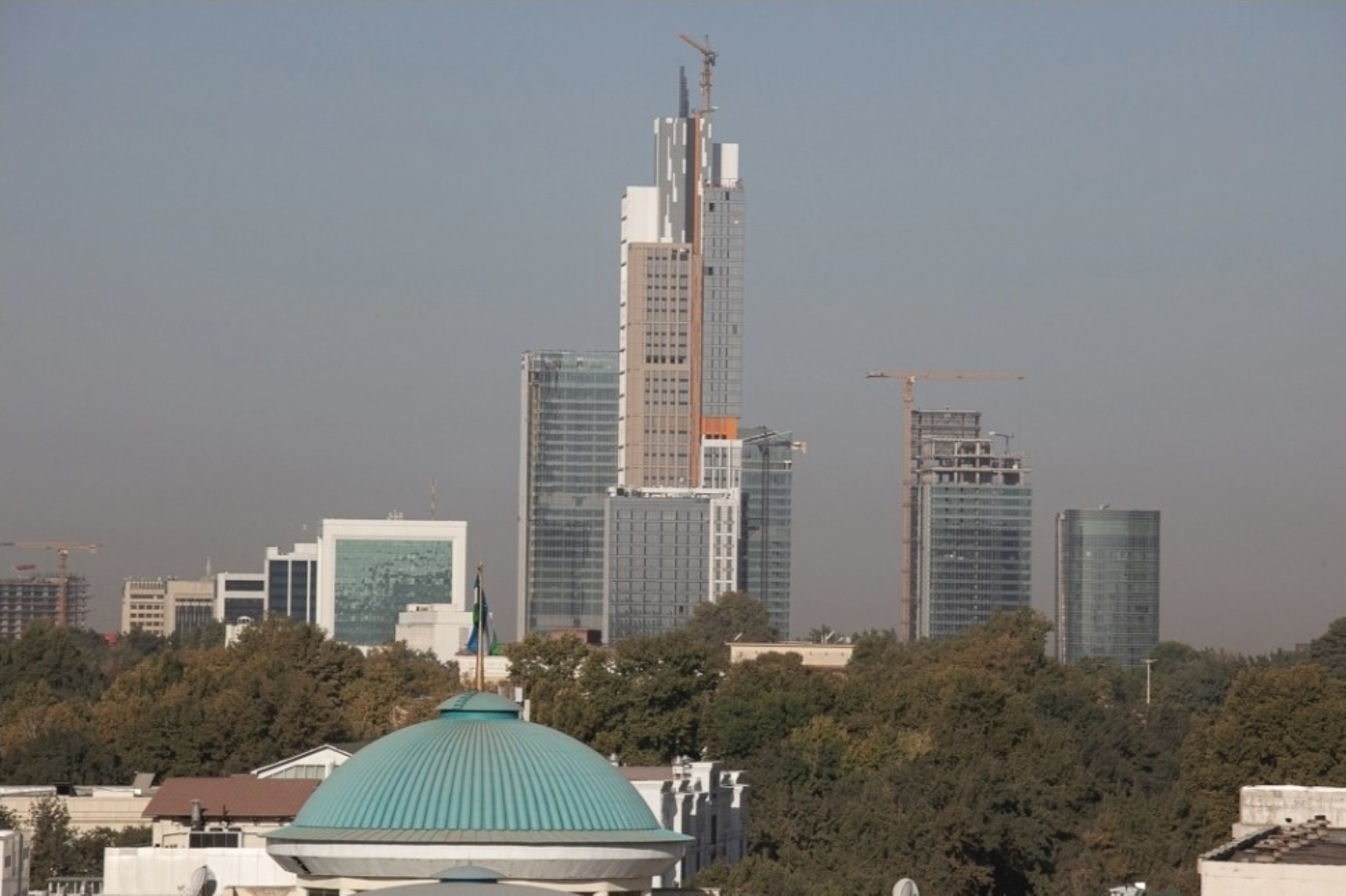
The deterioration of air quality in Tashkent and several major cities of Central Asia has become one of the most discussed topics of recent days. An analysis by the Hydrometeorological Research Institute, using international and national monitoring data, found a simultaneous rise in air pollution across several large cities in the region.
The numbers
According to IQAir, on 26 October the air quality index (AQI) exceeded 100 in six of the eight major Central Asian cities monitored. The index reached 160 in Bishkek, 157 in Tashkent, 149 in Shymkent and 134 in both Karaganda and Dushanbe.
The causes
According to Erkin Abdulakhatov, head of a laboratory at the institute and a PhD in geographical sciences, several factors contributed: anticyclonic conditions, weak winds, lack of precipitation, temperature inversions, natural dust from the region's deserts, and emissions from transport, industry and energy production. This year the situation was worsened by an extended dry spell; heavy traffic on Tashkent's streets intensified the spread of dust particles.

Expert comment
"Air near the ground does not rise and mix sufficiently with the air in the layers above. As a result, pollutants from transport, industrial facilities, energy production and other sources, along with naturally occurring dust, accumulate in the lower atmosphere," Abdulakhatov said.
Proposed measures
To improve the situation, the expert recommended upgrading monitoring and forecasting systems, reducing transport and energy emissions, preventing dust generation at construction sites and on roads, strengthening regional cooperation, and continuing greening initiatives.
