IISS: Gulf states must rethink their trillion-dollar defence after the war
According to the IISS Strategic Dossier "The Gulf at War," the 2026 war exposed the weakness of the Gulf states' US-weapons-reliant defence.
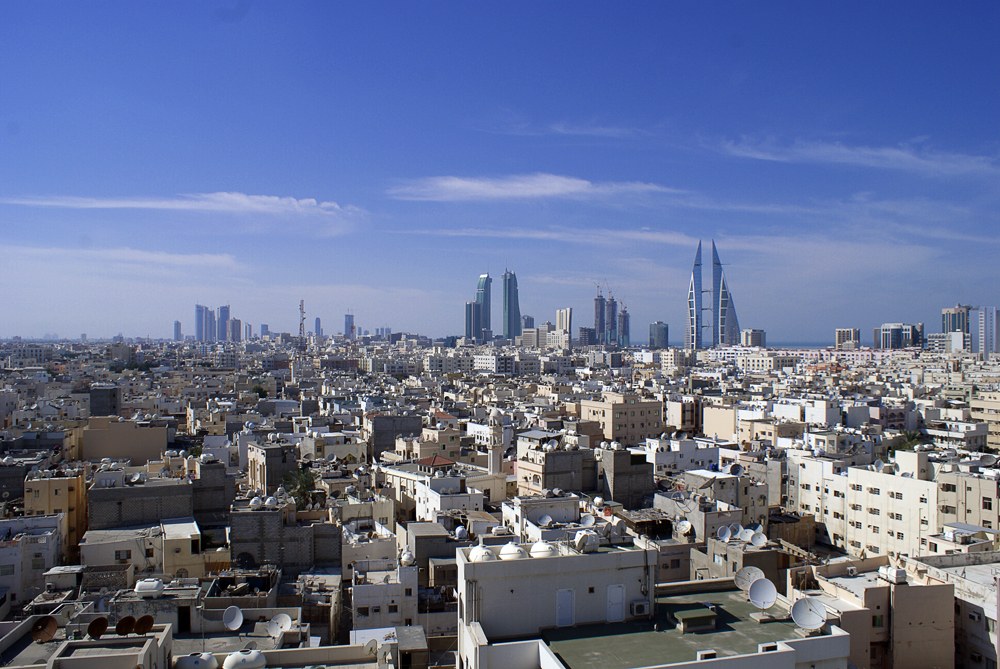
On 30 October 2026, the London-based International Institute for Strategic Studies (IISS) published a strategic dossier titled "The Gulf at War." It was released on the eve of the IISS Manama Dialogue security forum in Bahrain.
Main conclusion
The authors argue that although the Gulf states spent a trillion dollars on US weapons over decades, that arsenal did not provide effective protection at the decisive moment of the war. The IISS stresses that the region's militaries were unprepared for a prolonged, drone- and missile-based war of attrition.
Scale of the attacks
According to the dossier, more than 6,000 ballistic missiles and drones were fired at 12 countries during the main phase of the war. Attacks aimed at regional states included roughly 4,670 one-way attack drones and more than 1,400 ballistic missiles. Damage to energy infrastructure was estimated at about $58 billion. This phase of the war was halted by a ceasefire declared on 8 April 2026.

The hardest-hit state
According to the IISS, nearly half of Iran's attacks were directed at the United Arab Emirates; Bahrain, Qatar and Saudi Arabia were also among the targets. Estimates suggest the UAE spent roughly 3 to 13 times more on air defence than Iran spent on the attacks — illustrating the economic mismatch of using expensive systems against cheap drones.
Recommendation
The IISS recommends that Gulf states reconsider their over-reliance on US security guarantees and on expensive, high-end weapons systems, and strengthen regional defence integration. These are the institute's recommendations; the dossier's authors, Hasan Alhasan and Emile Hokayem, say the war has upended the Gulf states' basic assumptions about their security and prosperity.
