Uzbekistan's Water Resources Ministry rejects claims that the Amu Darya is drying up
The ministry cited hydropost data: on 9 October the water level at Termez was 27 cm higher than the same period in 2025; although discharge at Kerki fell by about 11%, the flow is being maintained. The decline was described as a seasonal process.
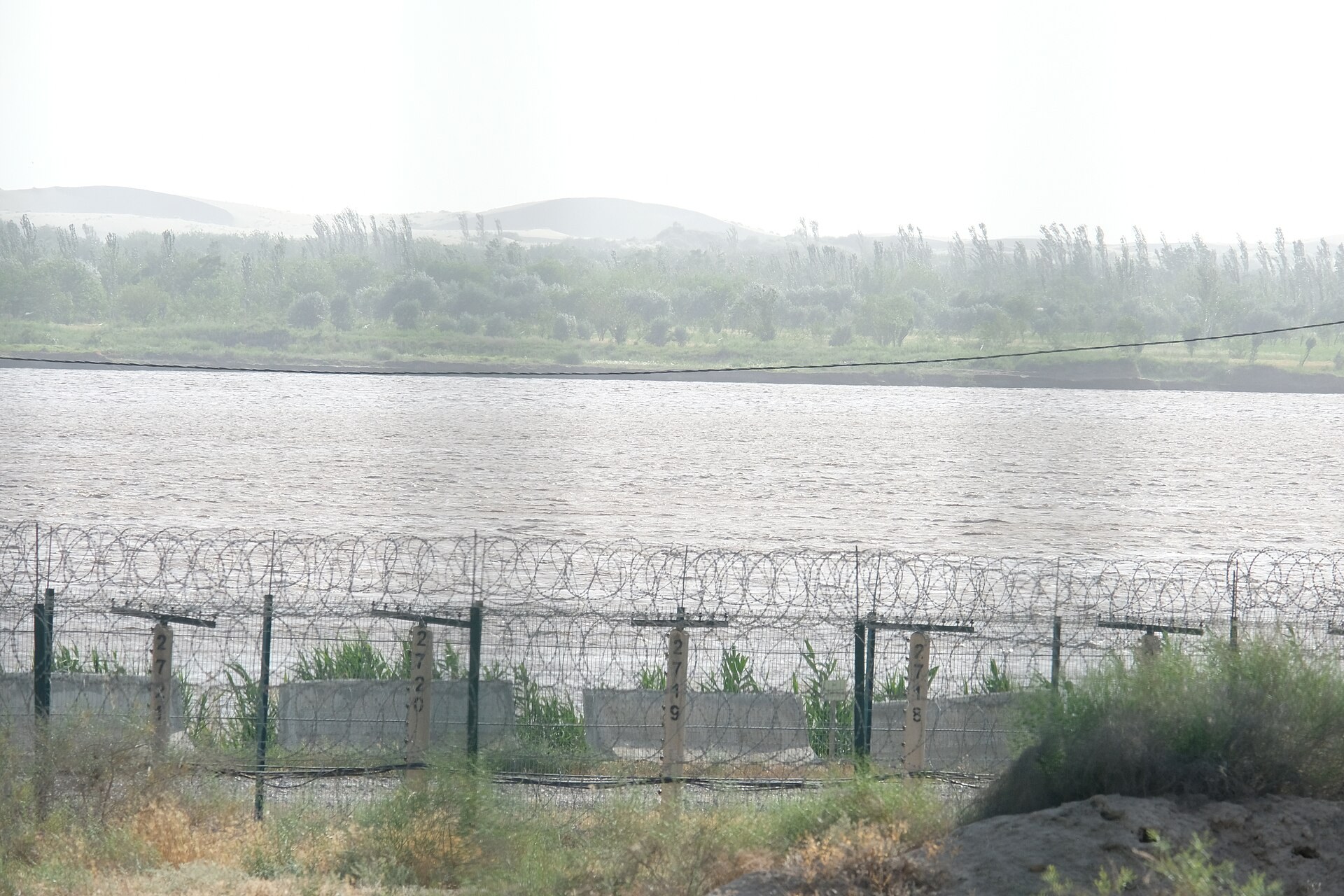
Uzbekistan's Ministry of Water Resources has responded to reports circulating on social media that the Amu Darya is drying up, and rejected them. Citing hydropost data, the ministry said that water flow in the river is being maintained.
What happened
In October, reports spread on social media in Uzbekistan claiming that the Amu Darya was drying up. The Ministry of Water Resources addressed these reports and presented the latest figures on the river's water level and discharge.
What the numbers say
According to the ministry, as of 9 October the water level at the Termez hydropost, where the Amu Darya enters Uzbekistan, was 239 cm — 27 cm higher than at the same time in 2025. Farther downstream, at the Kerki hydropost, discharge was 499 m³/s, about 63 m³/s (roughly 11%) lower than a year earlier. Even so, the river's flow is being maintained.

At the Nurek reservoir on the Vakhsh River (Tajikistan), inflow was 408 m³/s and outflow 320 m³/s, with 10.54 billion m³ of water stored in total. These figures indicate that water reserves are being accumulated for the downstream countries.
A seasonal process
The ministry stressed that the decline in water levels and discharge during September and October is a seasonal hydrological process. As the vegetation (irrigation) season ends, reservoirs accumulate water reserves for the needs of the next season.
The delta and Karakalpakstan
At the same time, the situation downstream is a cause for concern. In September, the UN Development Programme (UNDP) warned that in dry years too little water reaches the Amu Darya delta in Karakalpakstan, leaving some farmland uncultivated and reducing crop yields.
The Afghanistan factor
Water Resources Minister Shavkat Khamraev had earlier warned that Afghanistan's withdrawal of roughly 4 billion m³ of water a year through the Qosh Tepa Canal could increase the risk of water shortages in the region. The Amu Darya is one of Central Asia's largest rivers, and its water is vital for the agriculture of several countries.
