Uzbekistan and Japan: Diplomatic Ties and Aid (1992–1996)
In the first years of independence, Uzbekistan and Japan established official relations. Japan's recognition of Uzbekistan's independence, the exact date of diplomatic relations, the embassies, Japan's role as a major donor through ODA (Official Development Assistance) and JICA, the early loans, and President Islam Karimov's 1994 visit are set out from the sources.
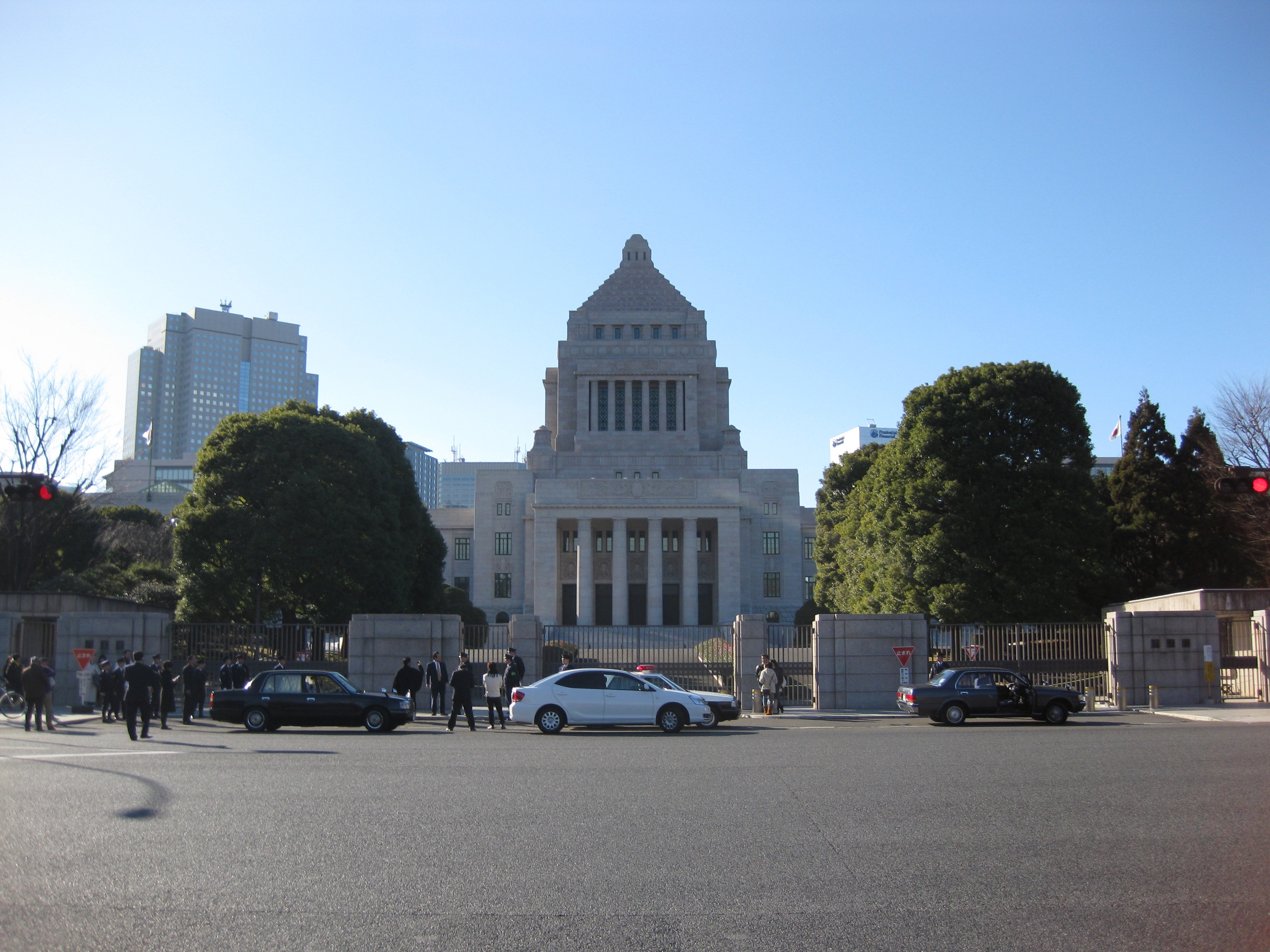
On 31 August 1991 Uzbekistan declared state independence, and at the end of that year the USSR was formally dissolved. These events set off a wave of international recognition for the new independent state. Japan, Asia's leading economic power, was among the countries that recognised Uzbekistan early, and over the course of the 1990s it became one of the country's most important non-regional aid partners. The following sets out, from the sources and with exact dates, how diplomatic relations were established and how economic cooperation began in 1991–1996.
Recognition (28 December 1991) and diplomatic relations (26 January 1992)
Japan recognised Uzbekistan's independence on 28 December 1991, and formal diplomatic relations between the two states were established on 26 January 1992. These dates are confirmed by Uzbekistan's Ministry of Foreign Affairs and by the Embassy of Uzbekistan in Japan. Japan thus joined the countries that opened relations with Uzbekistan in the very first months of independence (Source: Uzbekistan MFA — Cooperation with Asia-Pacific countries; Embassy of Uzbekistan in Japan).
Opening of the embassies
Once official relations were set up, Japan opened its embassy in Tashkent in January 1993 — one of the first Japanese diplomatic missions in Central Asia. Uzbekistan, in turn, established its embassy in Tokyo in February 1996. The two states thereby exchanged full diplomatic missions and created an institutional basis for regular political and economic dialogue (Source: Embassy of Japan in Uzbekistan; Embassy of Uzbekistan in Japan).

Why Japan turned to Central Asia
After the USSR collapsed, Japan made support for the newly independent states' transition to a market economy and sustainable development an important strand of its foreign policy. Central Asia gained particular prominence under the "Eurasian diplomacy" announced by Prime Minister Ryutaro Hashimoto in 1997 and the later "Silk Road diplomacy". With its population, central geographic location and resources, Uzbekistan became one of Japan's key partners in the region; some analysts described Uzbekistan as a "showcase" of Japan's assistance policy in Central Asia (Source: V. Khoshimov — Foreign Policy of Japan and Central Asia (JIIA); Silk Road Studies — Japan's Silk Road Diplomacy).
Japan's aid: ODA and JICA
Japan delivered its aid to Uzbekistan through the system of Official Development Assistance (ODA). Technical cooperation (dispatching experts, training specialists) started in 1993; concessional yen loans (ODA loans) began in 1994 through the Japan Bank for International Cooperation (JBIC), and grant (non-repayable) aid began in 1995 through Japan's Ministry of Foreign Affairs (MOFA). Implementation later passed to the Japan International Cooperation Agency (JICA). Between 1993 and 2024, projects implemented through JICA in healthcare, education, energy, transport and telecommunications totalled roughly USD 5.6 billion (Source: JICA — History of JICA's Cooperation in Uzbekistan; Uzbekistan MFA).
Early loans and projects (1994–1996)
In the mid-1990s Japan began allocating concessional yen loans to Uzbekistan for major infrastructure projects. In 1996 a loan of about 15.5 billion yen was agreed for modernising three local airports (including around Tashkent); the same year the Tashkent telecommunications system project received about 15.5 billion yen (roughly USD 155 million at the rate of the time), and improvement of railway passenger transport received about 6 billion yen. Overall, by some estimates Japan intended to provide Uzbekistan with around USD 500 million in soft loans and grants by 1997 (Source: JICA — ODA Loans / Central Asia and Japan's ODA Loans; V. Khoshimov (JIIA)).
Islam Karimov's visit to Japan (1994)
President Islam Karimov's first official visit to Japan took place in May 1994. During the visit a number of documents were signed, including a Joint Statement on deepening friendly relations between the two states. The first meeting of the Uzbek–Japanese and Japanese–Uzbek economic cooperation committees was also held, and the parties agreed to convene the committees regularly. A parliamentary "Japan–Uzbekistan" friendship group was likewise formed in Tokyo. The visit gave momentum to the rapid development of political and economic cooperation (Source: V. Khoshimov — Foreign Policy of Japan and Central Asia (JIIA); M. Rakhimov — Central Asia and Japan).
Human-resource and cultural cooperation
Alongside economic aid, Japan placed particular emphasis on developing human capital. From the 1990s, Uzbek students received scholarships to study at Japanese universities and specialists completed training internships in Japan; over the years more than 400 students received scholarships and some 2,500 Uzbek specialists did internships in Japan. This track was later carried on through the Uzbekistan–Japan Center for Human Resources Development (the Japan Center) opened in Tashkent; language, education and cultural-exchange programmes also strengthened ties between the two peoples (Source: Uzbekistan MFA; JICA — History of JICA's Cooperation in Uzbekistan).
Significance and legacy
The first steps taken in 1991–1996 laid the foundation for long-term cooperation between Uzbekistan and Japan. As one of the largest non-regional donors, Japan contributed substantially to renewing Uzbekistan's transport, communications and energy infrastructure and to training personnel. This foundation later underpinned the strategic partnership announced on 29 July 2002, the "Central Asia plus Japan" dialogue mechanism launched in 2004, and regular high-level visits. The diplomatic recognition and ODA aid of the early 1990s thus remained the starting point of today's broad Uzbekistan–Japan cooperation (Source: Uzbekistan MFA; M. Rakhimov — Central Asia and Japan).

Sources
- O'zbekiston TIV — Osiyo-Tinch okeani mintaqasi davlatlari bilan hamkorlik
- Embassy of the Republic of Uzbekistan in Japan — Bilateral relations
- JICA — History of JICA's Cooperation in Uzbekistan
- JICA — Central Asia and Japan's ODA Loans
- V. Khoshimov — Foreign Policy of Japan and Central Asia (JIIA)
- Wikipedia — Foreign relations of Uzbekistan (Japan)