Buying a car in the USA: auto loan, insurance, and total cost — a practical reference for immigrants
How buying a car works in the USA: new vs used, dealer vs private seller, the auto loan (APR, term, down payment), insurance, and total cost of ownership. Official sources: Consumer Financial Protection Bureau (CFPB), Federal Trade Commission (FTC), the Insurance Information Institute (III), and the California DMV. This is a reference, not financial advice.
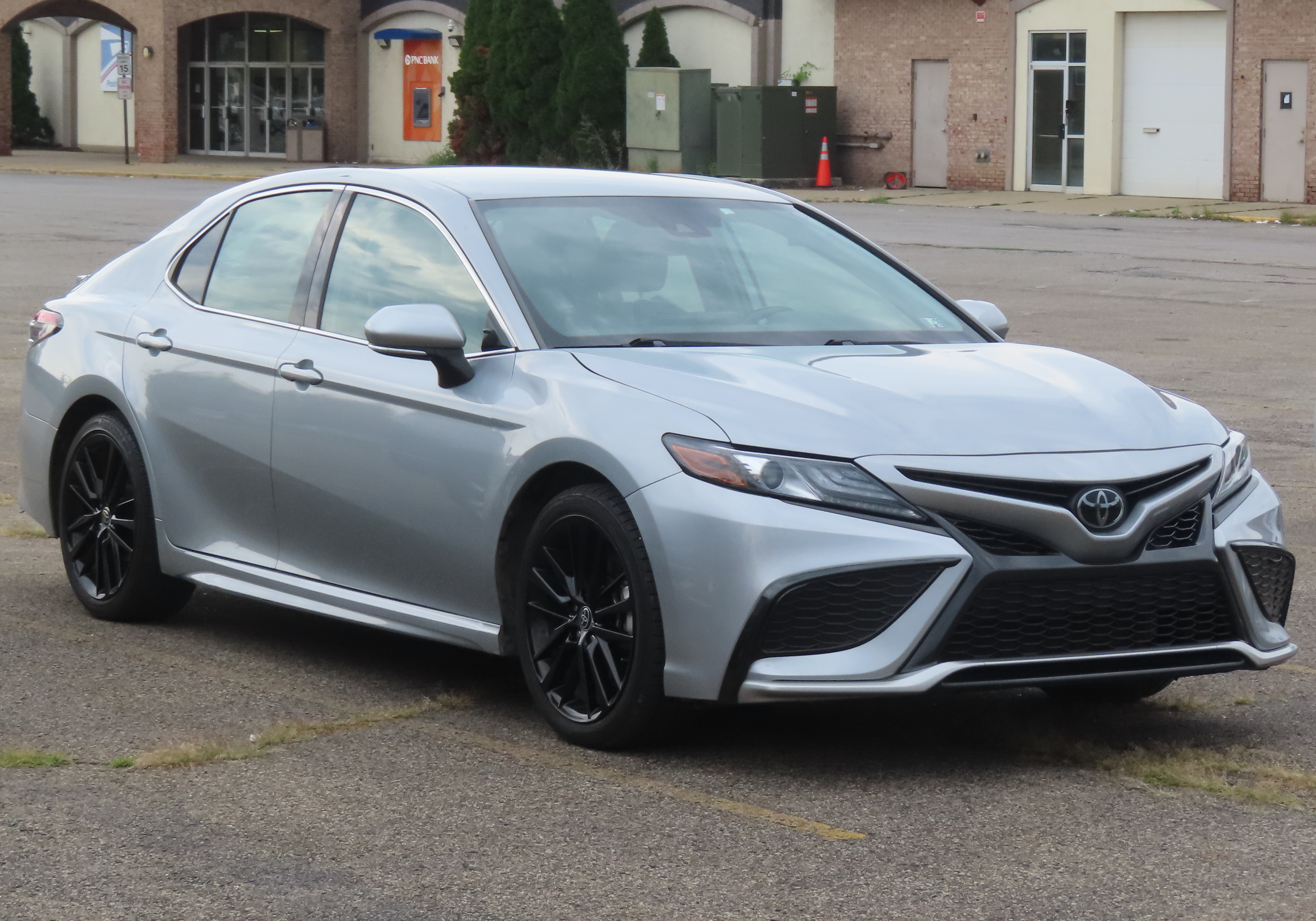
For most people in the USA a car is essential for work, school, and daily life. Buying one involves several steps: choosing the right vehicle, inspecting it, deciding how to pay (cash or a loan), paying taxes and fees, registering it, and arranging insurance. Below are the key facts, drawn from official sources such as the CFPB, FTC, III, and the California DMV.
New vs used; dealer vs private seller
You can buy from a dealer or a private seller. Per the FTC, dealers must place a Buyers Guide label on every used car they sell. A new car loses value (depreciates) faster, so many immigrants choose a used vehicle; however, a used car carries a higher risk of problems, which makes inspection important.
The used-car checklist
The FTC recommends that before buying you: (1) get a vehicle history report using the VIN — the official NMVTIS system (vehiclehistory.gov) shows title, insurance-loss, and salvage information; (2) have the car inspected by an independent mechanic — a history report is not a substitute for an independent inspection; (3) read the Buyers Guide label. If the box 'As Is — No Dealer Warranty' is checked, the dealer will not pay for any repairs, so get all verbal promises written on the label.

How an auto loan works
An auto loan has a principal, an interest rate, and a term. Per the CFPB, the APR (Annual Percentage Rate) is the yearly cost of borrowing and reflects not only the interest rate but also fees; the higher the APR, the more you pay. Your monthly payment depends on the amount borrowed, the APR, and the term.
A down payment is an upfront payment toward the price (cash or the value of a trade-in). Per the CFPB, the larger the down payment, the less you finance and the lower the total cost of the loan.
How your credit score affects the rate
Per the CFPB, a lender weighs several factors when setting your rate: your credit score and history, your income and debts, the loan amount and term, your down payment relative to the vehicle's value, and whether the vehicle is new or used. The higher your credit score, the lower your rate typically is.
Get pre-approved at a bank or credit union before the dealer
The CFPB advises getting a pre-approval from a bank or credit union before going to the dealer. A pre-approval is a quote showing an interest rate, term, and maximum loan amount. Compare offers from several lenders, because lenders are not required to offer you their best rate, and dealer financing can sometimes cost more than a bank.
Long loans and the risk of being 'upside down'
Long 72–84 month loans lower the monthly payment, but per the CFPB they mean more total interest and a greater risk of negative equity — owing more than the car is worth. This is called being 'upside down': if you try to sell or trade in the car, you cannot fully cover what you owe. The risk grows when the car's value drops faster than the loan balance.
No SSN: financing with an ITIN
Immigrants without an SSN (Social Security number) often seek an auto loan using an ITIN (a taxpayer number issued by the IRS). Some credit unions and certain lenders accept an ITIN. New immigrants often have little or no U.S. credit history (a 'thin credit file'), so lenders weigh income, job stability, and the down payment more heavily. Such loans can carry higher rates and larger down-payment requirements. Check the exact terms with each lender.
Taxes and fees
Beyond the purchase price there are extra taxes and fees: sales/use tax, title and registration fees, and the dealer's documentation fee. For example, per the California DMV, use tax runs 7.25%–10.25% depending on the buyer's city and county (a 2025–2026 figure). In California a change of ownership must be reported to the DMV within 10 days.
Registration and the smog check
A car must be registered and the title put in the owner's name to be driven legally. In California most cars require a smog (emissions) check; per the DMV, gas cars under 4 years old do not need a certificate but pay a smog fee, and when buying a car over 4 years old from a dealer the dealer must generally provide a smog certificate. Rules vary by state.
Insurance is required almost everywhere
Per the III, virtually all states require liability insurance before you can legally drive — Massachusetts was first in 1927, and 48 states plus the District of Columbia followed. Each state sets minimum limits, often shown in a format like '25/50/25' (bodily injury per person / per accident / property damage). As of 2022 about 14% of U.S. drivers — roughly one in seven — were uninsured, which is why carrying insurance matters.
Types of insurance
Per the III, the main coverages are: liability — pays when you cause bodily injury or property damage to others (required in nearly all states); collision — pays for damage to your own car from a crash, usually with a $250–$1,000 deductible; and comprehensive — covers non-collision losses such as theft, fire, flood, falling objects, and hitting an animal. The higher the deductible, the lower the premium.
Uninsured/underinsured motorist coverage protects you when an at-fault driver has no insurance or not enough. Gap insurance pays the 'gap' between what you owe and the car's market value, because collision/comprehensive only cover market value and cars depreciate fast. An SR-22 is not a type of insurance but a proof of financial responsibility filed by your insurer; per the California DMV it is typically required after serious violations such as a DUI and must be kept for 3 years.
How premiums are set
Per the III, the premium reflects the driver's risk profile. Where the law allows, factors such as age and driving record are considered. The premium also depends on the car's price, its repair cost, its overall safety record, and the likelihood of theft.
Total cost of ownership
The price is only part of the cost. Total cost of ownership also includes fuel, regular maintenance and repairs, insurance, registration, and depreciation. When budgeting, account for all of these ongoing costs, not just the monthly loan payment.
Important note
This article is general information and not financial or legal advice. Exact rates, limits, taxes, and terms vary by lender, insurer, state, and time. The time-sensitive figures above reflect 2025–2026. Consult official sources and a qualified professional before deciding.

Sources
- CFPB — Shopping for your auto loan
- CFPB — Auto loans key terms
- CFPB — How does a lender decide my auto loan interest rate?
- CFPB — Auto loan answers (negative equity)
- FTC — Buying a Used Car From a Dealer
- FTC — Used Cars (consumer advice)
- Insurance Information Institute — Auto insurance basics
- Insurance Information Institute — Compulsory auto / uninsured motorists
- California DMV — Registering a vehicle purchased from a dealer
- California DMV — Smog inspections
- California DMV — Financial responsibility (SR-22)