Financial aid for U.S. higher education: FAFSA, grants, scholarships and student loans
Eligibility for federal aid for U.S. college and university study is determined through one application — the FAFSA (Free Application for Federal Student Aid). The FAFSA is free. From the 2024–25 award year it was simplified: the Student Aid Index (SAI) replaced the Expected Family Contribution (EFC). Main federal aid: the Pell Grant (maximum $7,395 for 2024–25 and 2025–26), FSEOG, Federal Work-Study and Direct Loans. Grants are not repaid; loans are repaid with interest. U.S. citizens, permanent residents (green card) and certain eligible non-citizens (refugees, asylees, parolees) qualify for federal aid; F-1 and undocumented students generally cannot get federal aid. Based on official sources.
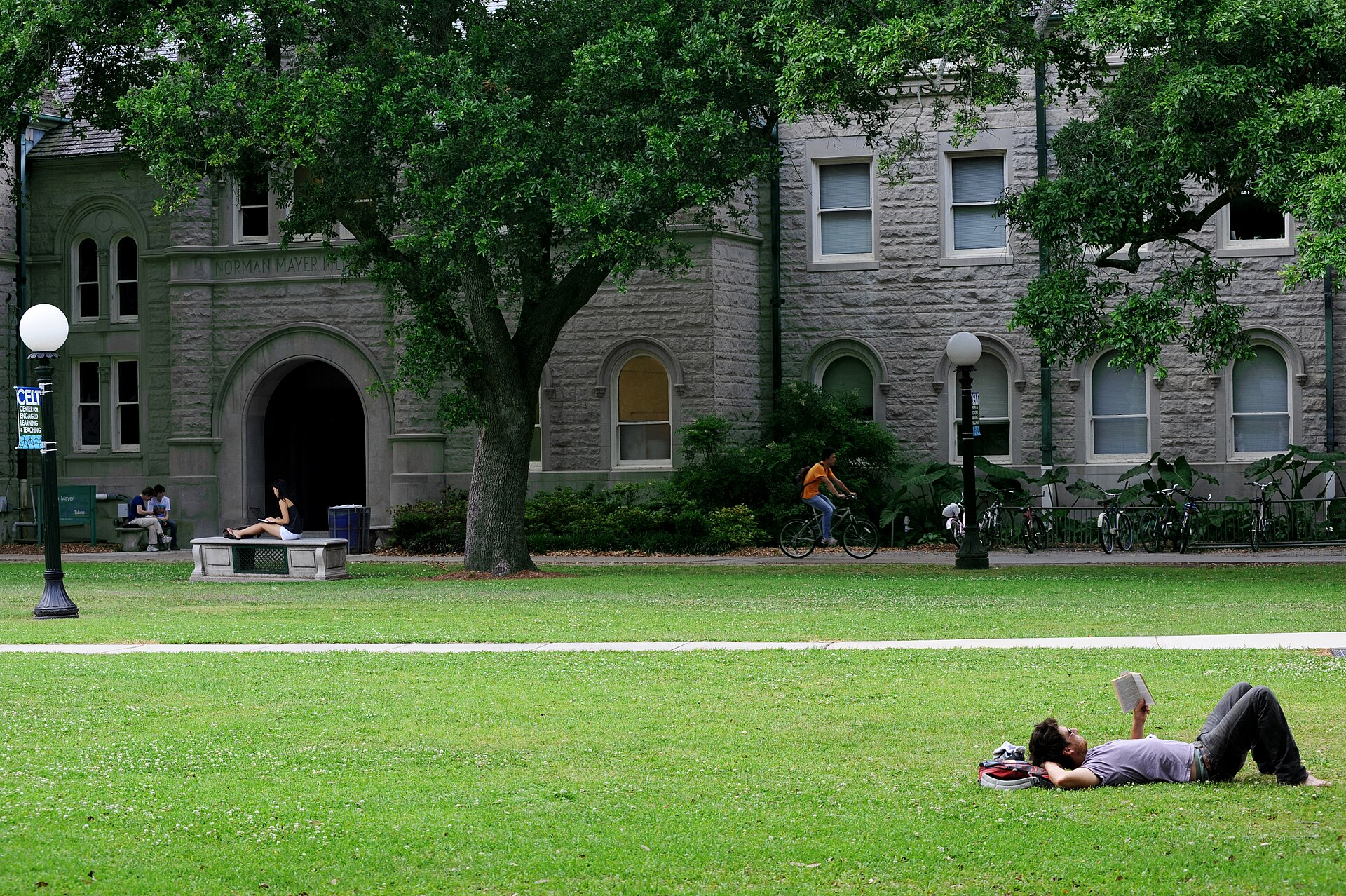
Higher education in the U.S. is expensive, but most students pay with federal, state and institutional aid. This guide explains how to apply, what types exist, and what immigrants — citizens, green-card holders and other statuses — qualify for, strictly on the basis of official sources (U.S. Department of Education / studentaid.gov, NASFAA).
What the FAFSA is
The FAFSA is the Free Application for Federal Student Aid. This single application determines eligibility for federal grants, loans and work-study; states and colleges also use it to award their own aid. The FAFSA is always free — filed at fafsa.gov; you never have to pay a third party. To apply, the student (and, if dependent, one parent) creates a free FSA ID (Federal Student Aid account), which serves as a legal electronic signature.
The 2024 simplification (SAI)
From the 2024–25 award year, under the FAFSA Simplification Act, the form was streamlined: fewer questions, and the Student Aid Index (SAI) replaced the Expected Family Contribution (EFC). The SAI is an index of need, not a dollar amount; it ranges from −1,500 to 999,999, and the lower the number, the greater the need. After submission, a FAFSA Submission Summary replaces the old Student Aid Report. In the new system, a parent without a Social Security Number (SSN) can also create an FSA ID and complete their section — enabling mixed-status families to file.

Types of federal aid
Grants are not repaid. The Pell Grant is need-based, for undergraduates; the maximum is $7,395 for both 2024–25 and 2025–26. FSEOG (a supplemental grant) is for exceptional need, $100 to $4,000 a year, administered by the college. Federal Work-Study provides part-time jobs for students with need. Loans are repaid with interest: Direct Subsidized (for undergraduates with need, the government pays interest while in school) and Direct Unsubsidized (regardless of need, interest always accrues). PLUS Loans are for parents of undergraduates and for graduate/professional students.
Annual Direct Loan limits (subsidized + unsubsidized combined): for a dependent undergraduate, $5,500 (year 1), $6,500 (year 2), $7,500 (year 3 and after); for an independent undergraduate, $9,500, $10,500 and $12,500 respectively. Aggregate limits: $31,000 for a dependent undergraduate (subsidized portion up to $23,000), $57,500 for an independent undergraduate.
Who qualifies: the key part for immigrants
Those eligible for federal aid (usually with a valid SSN): U.S. citizens; permanent residents (green card, I-551) and conditional permanent residents; and 'eligible non-citizens' — people whose I-94 shows Refugee, Asylum Granted, Parolee (with at least a one-year parole period), T-visa holder, or Cuban-Haitian Entrant. Eligible non-citizens enter their A-Number on the FAFSA.
Those who generally CANNOT get federal aid: F-1 and most international students — they mark 'I am not a citizen or eligible non-citizen' on the FAFSA and are not eligible for federal aid; undocumented students, including DACA recipients, are not eligible for federal aid, though they may file the FAFSA (or a state application) to unlock state or institutional aid.
State, institutional and private scholarships
Some states offer state aid and/or in-state tuition to undocumented or DACA students — this varies sharply by state (for example California, Texas, New York, Illinois and others; usually requiring in-state high-school completion). In California, the California DREAM Act lets undocumented students apply for state aid separately from the FAFSA. A college's own (institutional) scholarships and private scholarships are often open regardless of citizenship — each college or sponsor sets its own terms, so check directly.
Deadlines and structure
Aid is awarded per academic year — you must file a new FAFSA every year. The federal deadline is June 30 at the end of the award year; after that, that year's FAFSA is not accepted. State and college priority deadlines are usually much earlier and vary — filing as early as possible is advised. Dependency status matters: a dependent student reports parent information; most graduate/professional students are automatically independent.
Caution
The amounts above are confirmed for 2024–25 and 2025–26; amounts for Pell and other programs in later years may change, so check the specific year's figures at studentaid.gov. The FAFSA traditionally opened on October 1, but in recent years the opening date has been delayed — check each year's exact date. Lists of states and rules for undocumented students change frequently — confirm with your own state agency.
