How credit cards work: APR, the grace period, and the minimum payment
A credit card is a tool for using revolving credit borrowed from a bank. Below, what a credit card is, the credit limit, the annual percentage rate (APR) and how interest is calculated, the grace period and how to keep it, the minimum payment and the consequence of paying only the minimum, cash advances, and how payments are allocated are explained neutrally and strictly on the basis of official sources — the U.S. Consumer Financial Protection Bureau (CFPB) and the Federal Trade Commission (FTC). This material explains mechanics; it is not financial advice.
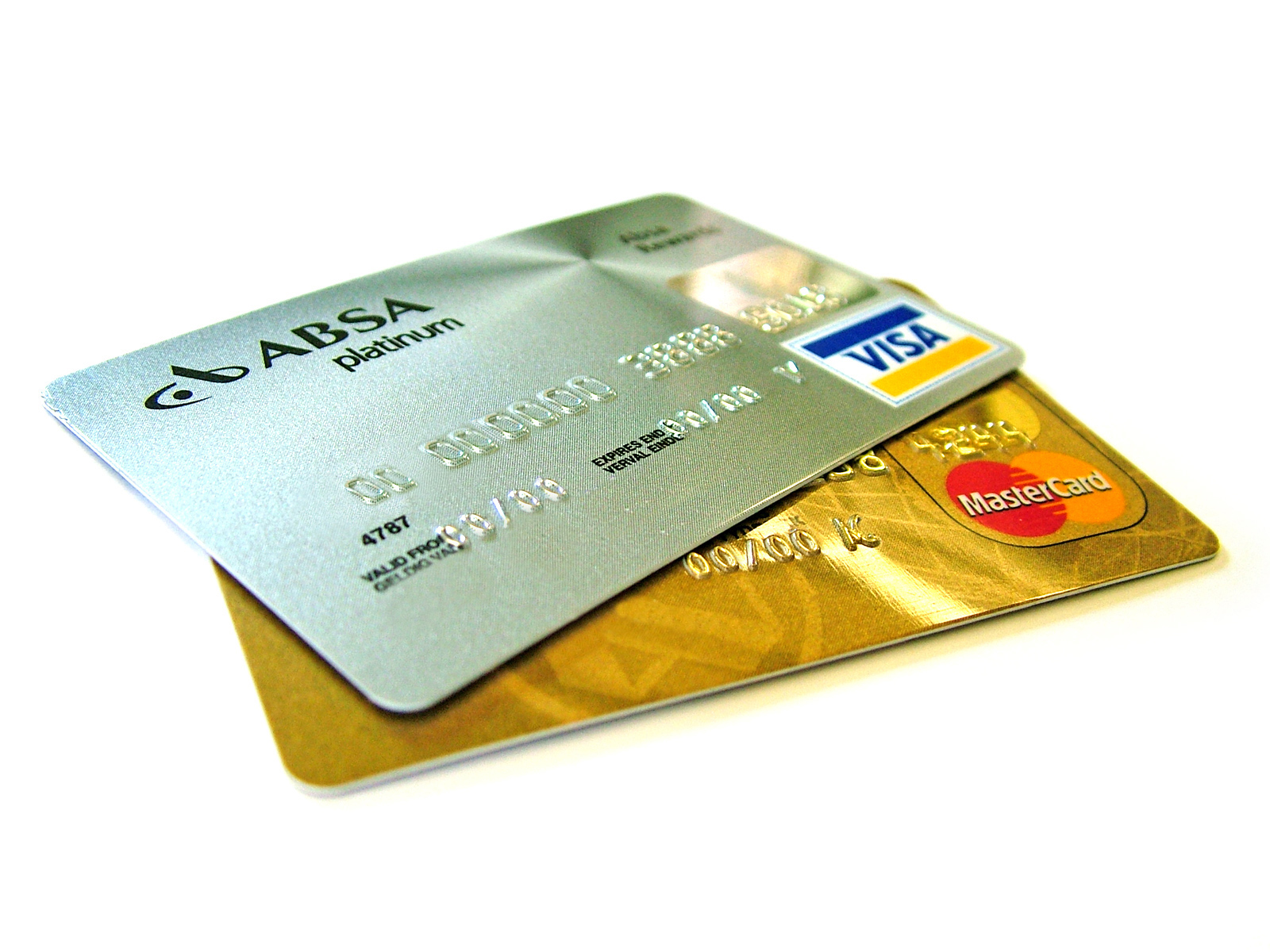
A credit card is a common tool of everyday finance in the USA, but not understanding its mechanics can be costly. Below, what a credit card is, the annual percentage rate (APR) and how interest is calculated, the grace period, the minimum payment, cash advances, and how payments are allocated are explained strictly on the basis of reputable sources — the U.S. Consumer Financial Protection Bureau (CFPB, consumerfinance.gov) and the Federal Trade Commission (FTC), neutrally and on a facts-only basis. This article is a general-information reference, not financial advice or a recommendation.
What a credit card is
A credit card is a card issued by a bank or financial institution that lets you use revolving credit. When you use it, you spend not your own money but money borrowed from the bank, which you repay later. The bank sets a credit limit for each card — the maximum amount that can be borrowed. This differs from a debit card: a debit card uses money directly from your bank account, while a credit card lends. Each month the bank sends a statement showing the period's purchases, the total balance, and the payment due date.
APR and how interest is calculated
APR (Annual Percentage Rate) is the annual rate of interest — the cost of using the credit. By law, the bank must disclose the APR before you agree to use the card. As the CFPB explains, many banks calculate interest daily — based on the account's average daily balance (a daily periodic rate) — rather than monthly. Because interest accrues every day, the sooner you pay off part or all of the balance, the less interest you pay. A single card can have different APRs for different types of transactions, and the statement shows each category separately.

The grace period
The grace period is the span between the end of a billing cycle and the payment due date. According to the CFPB, if your card has a grace period and you pay the balance in full each month by the due date, you may not be charged interest on new purchases. Banks are not required to offer a grace period, but most cards provide one on purchases. An important condition: a grace period usually applies only to new purchases and only if you were not already carrying a balance. If you once fail to pay the balance in full, the grace period can be lost and interest may be charged from the date of purchase.
The minimum payment and the debt trap
The minimum payment is the smallest amount that must be paid each month. Making the minimum on time satisfies the payment obligation for that period and avoids a late fee; however, it does not stop interest from accruing and does not automatically preserve the grace period. If you pay only the minimum and keep carrying the remaining balance, interest keeps accruing on it — so paying off the debt can stretch over many years and the total paid can be far more than the original purchase. The CFPB requires credit card statements to show exactly this: how long it would take to pay off the balance if only the minimum is paid.
Cash advances and other fees
Withdrawing cash with a credit card is called a cash advance. A grace period usually does not apply to a cash advance: interest starts from the day the cash is taken, often at a higher APR than purchases, plus an additional fee. Cards can also carry other fees — an annual fee, a late fee, and an over-limit fee. All these terms are disclosed in the information box (the Schumer box) provided before the card is opened.
How payments are allocated
The Credit CARD Act of 2009 established several consumer-protection rules. One is that if you pay more than the minimum, the bank must apply the amount above the minimum first to the highest-interest balance, then to other balances in descending order of rate. The same law also limits banks from raising the APR at any time without cause and provides protections regarding statement timing.
Its link to credit history
Using a credit card affects your credit history. Making payments on time and using only a low portion of the credit limit (credit utilization) can positively affect a credit score; late payments have a negative effect. More detail on credit cards and credit history is given in a separate reference on bank accounts and credit history.
Closing note
A credit card is a convenient tool, but one tied to interest and fees; using it wisely depends on each person's financial situation. This article provides only general information and is not financial advice; the specific terms of a card are set out in the issuer's official documents and in CFPB resources.

Sources
- CFPB — Credit card key terms (APR, grace period, minimal toʻlov, kredit limiti)
- CFPB — How does my credit card company calculate the amount of interest I owe? (kunlik oʻrtacha qoldiq)
- CFPB — What is a grace period for a credit card? (imtiyozli davr)
- CFPB — What is a minimum payment? (minimal toʻlov)
- CFPB — Credit CARD Act of 2009 report (toʻlov taqsimoti, himoya qoidalari)