Ways to move money in the US: how ACH, bank wire, Zelle and Venmo work
In the US there are several ways to move money between accounts, and they differ in speed, cost and whether they can be reversed. ACH transfers move in batches, usually in 1–3 business days, cheaply or free, and can be reversed; a bank wire (Fedwire) moves individually, same day, but for a $25–50 fee and with no reversal. Zelle works bank-to-bank in minutes, while Venmo and PayPal hold money in an app balance and move it to your bank over ACH. A reference — facts only.
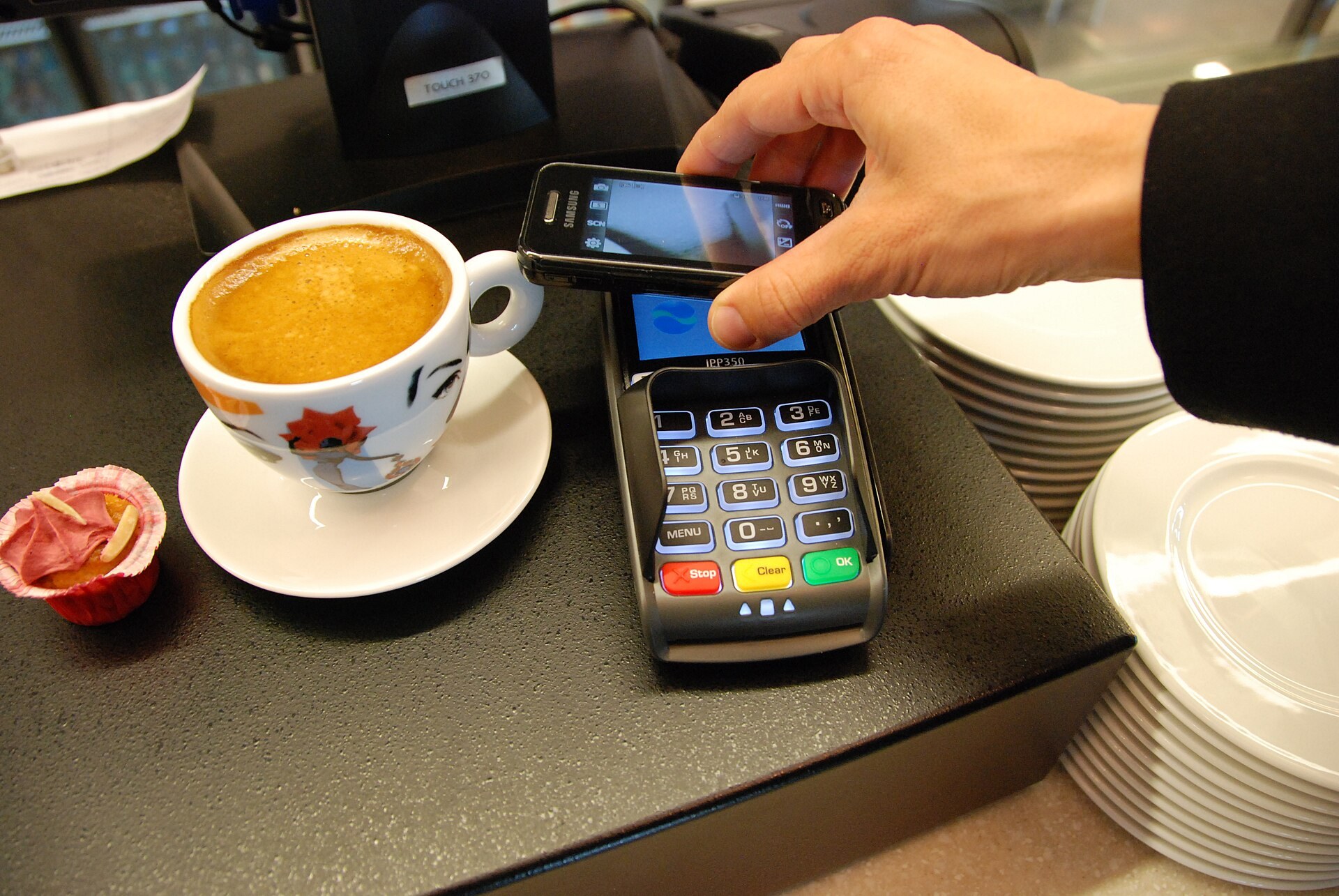
For many immigrants in the US, moving money — for rent, a store, or to relatives — is a daily need. But "transferring money" is not one thing: there is ACH, a bank wire, Zelle, Venmo and more, and they differ sharply in speed, cost and whether a mistake can be undone. The following explains how each works — facts only.
ACH — the main bank-to-bank system
ACH (Automated Clearing House) is the national network that moves money between US banks; it is governed by an organization called Nacha. Payments are processed not one by one but in batches, and usually arrive within 1–3 business days; a "same-day ACH" option exists for an extra fee. ACH is often free or costs a few cents, and most paychecks (direct deposit), utility bills and automatic payments run over it. If there is an error or fraud, an ACH transfer can be reversed within set rules.
Bank wire (Fedwire) — fast, but final
A bank wire moves money individually and almost in real time. Inside the US, wires often go over the Federal Reserve's Fedwire network and arrive the same business day. For this a bank typically charges $25–50 and — crucially — a wire is final: once sent, it usually cannot be reversed. So wires are used for large, time-sensitive payments — such as buying a home — but fraudsters exploit exactly that irreversibility.

Zelle — bank-to-bank, in minutes
Zelle is a service launched in 2017 by Early Warning Services, a company owned by major US banks; it moves money directly from one bank account to another, usually within minutes. Zelle is built into most bank apps and is free to the user. Because money arrives fast and is often irreversible, it is advised to send via Zelle only to people you know and trust; sending Zelle to an unknown "seller" is a common form of fraud.
Venmo, PayPal, Cash App — an app balance
Venmo, PayPal and Cash App are apps that first hold money in an in-app balance. They are convenient for person-to-person (P2P) payments; moving the money to your bank account usually happens over the ACH network and is subject to standard ACH timing. If you want the money in your bank immediately, these apps often charge an extra percentage for an instant transfer. Money sitting in an app balance is usually not automatically covered by bank deposit insurance (FDIC) — another difference worth noting.
The paper check still exists
The paper check is still used in the US: rent, some official payments, or a new employer may ask for one. When a check is deposited, the money does not clear instantly but over a few business days. Most banks let you deposit a check by photographing it in a mobile app.
Sending money abroad is a separate matter
The methods above are mainly for transfers inside the US. Sending money abroad — for example to Uzbekistan — is done through international transfer services, banks or dedicated apps, where the exchange rate and commission are counted separately. We cover this in detail in our reference "How to send money from abroad to Uzbekistan."
Safety: beware irreversible transfers
The core rule: send fast, final transfers like a wire or Zelle only to a person or institution you trust. If a stranger rushes you to "Zelle or wire it quickly," that is often a sign of fraud. Check the recipient's details before sending; when in doubt, choose a method that can be reversed (such as a card or ACH).
Why this matters for the diaspora
Choosing the wrong payment method means paying extra fees or making an irreversible mistake. Knowing which method is fast, which is cheap and which can be reversed protects the family budget and guards against fraud. This reference explains the general order; exact fees and timing can differ by bank and app, so also check your own bank's terms.
