How to detect disinformation and fake news: a practical guide
The difference between disinformation, misinformation and malinformation; IFLA's 8-step checklist; the SIFT method; reverse image search; signs of deepfakes; fact-checking organizations — a fact-based media-literacy guide grounded in authoritative sources.
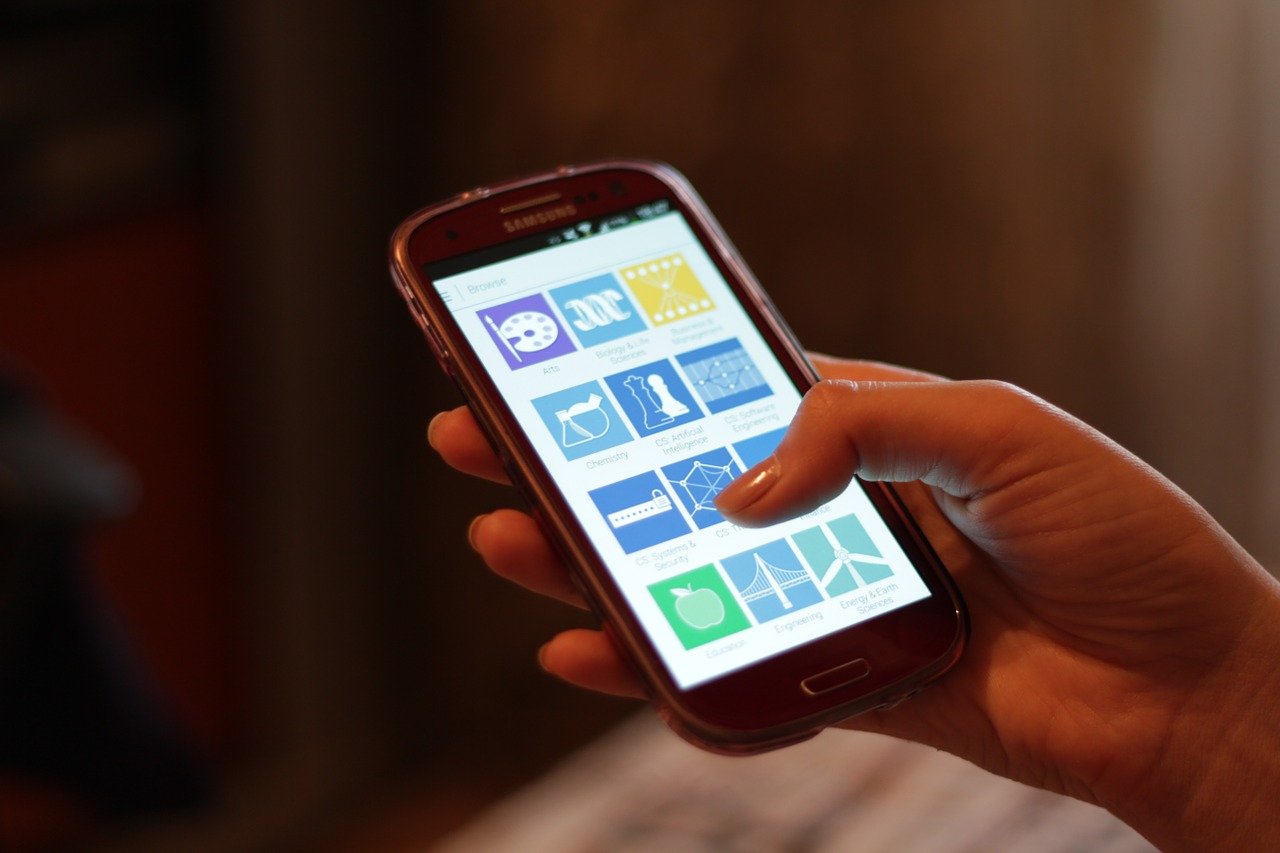
Every day a huge stream of messages arrives through social networks and messengers, and some of it is false or deliberately misleading. Below, the widely recognized methods for identifying false information — developed by international organizations and researchers — are set out on the basis of facts.
Three concepts: what is the difference
In the 2017 report “Information Disorder,” written for the Council of Europe, Claire Wardle and Hossein Derakhshan replace the vague term “fake news” with three precise concepts. They are distinguished by two axes: whether the information is false, and whether there is an intent to harm. UNESCO uses the same distinction.
Misinformation is false information created or shared without the intent to harm (for example, someone shares an inaccurate rumor believing it to be true). Disinformation is false information deliberately created to cause harm; it is often organized and amplified by automated means. Malinformation is based on reality but is used to cause harm (for example, disclosing private information or presenting a video stripped of its context).

IFLA's 8-step checklist
Adapted from a FactCheck.org article and translated into more than 30 languages, the well-known checklist by the International Federation of Library Associations (IFLA) offers eight steps for evaluating a story:
1) Consider the source — is the site, its mission and contact information trustworthy. 2) Read beyond the headline — headlines can be outrageous for clicks; read the full text. 3) Check the author — are they real and credible on the topic. 4) Check the supporting sources — do the links actually support the claim. 5) Check the date — old stories are often re-shared as if current. 6) Is it a joke (satire). 7) Check your own biases — are your beliefs making you accept it uncritically. 8) Ask the experts — consult a librarian or a reputable fact-checking site.
The SIFT method and lateral reading
The SIFT method, created by digital-literacy researcher Mike Caulfield, has four moves. Stop — pause before reading or sharing; if you don't know the source, or the content triggers a strong emotion, that is a warning sign. Investigate the source — find out who is behind the content and their agenda before engaging. Find better coverage — don't rely on a single source; check the topic across several trusted ones. Trace claims — follow the claim, quote, image or video back to its original source to check it hasn't been altered or taken out of context.
In practice SIFT teaches the habit of “lateral reading”: instead of staying on a page to judge it, you open new tabs and check what other sources say about that site or organization — the technique professional fact-checkers use.
Reverse image search
Reverse image search lets you upload a photo and find where else and when it has appeared online (tools such as Google Lens, TinEye, Yandex). If one image appears in older articles or is used for different events, that is a sign of misinformation. A real example: an image circulated during the 2023 Israel–Hamas conflict was traced by reverse search to an older photo from August 2014 — genuine, but recycled out of context.
AI and deepfakes
Typical tells of AI-generated images include unnatural hands and fingers (wrong number of fingers), inconsistent lighting and shadows, unnatural eye reflections, warped backgrounds and garbled text within the image. But UNESCO warns that newer generators increasingly hide these tells — so inspecting the image alone is no longer reliable. Often it matters more to verify the accompanying claim than the pixels: real events exist in verifiable public records; fabrications do not.
Fact-checking organizations
The International Fact-Checking Network (IFCN), founded in 2015 at the Poynter Institute, connects more than 170 fact-checking organizations worldwide and maintains a Code of Principles (nonpartisanship, transparency of sources, funding and methodology, and a corrections policy). FactCheck.org is a nonpartisan fact-checker founded in 2003 at the University of Pennsylvania; Snopes and AFP Fact Check are also widely known services.
Why falsehood spreads faster
A large study by Vosoughi, Roy and Aral, published in Science in 2018 (about 126,000 stories on Twitter, 2006–2017), found that false news was about 70% more likely to be retweeted than true news, reached 1,500 people roughly six times faster, and spread “farther, faster, deeper and more broadly.” False stories evoked surprise, fear and disgust; such emotional content spreads more. Crucially, bots accelerated true and false news about equally — so humans, not bots, are mainly responsible for the disproportionate spread of falsehood.
Practical takeaway
The most useful habit: if a message provokes strong anger, fear or an urge to share instantly, that is precisely the moment to stop and verify — emotion-provoking content spreads disproportionately. Also check the site's URL and “About” page: fake sites often mimic real outlets with slightly altered names. Research also shows that pre-exposing people to “weakened” examples of manipulation techniques (prebunking) makes them more resistant to later falsehoods.

Sources
- UNESCO — Journalism, ‘Fake News’ & Disinformation: A Handbook
- Wardle, C. & Derakhshan, H. (2017), Information Disorder, Council of Europe / First Draft
- IFLA — How To Spot Fake News
- Mike Caulfield — SIFT (The Four Moves), Hapgood
- Poynter — IFCN Code of Principles
- Vosoughi, Roy & Aral (2018), The spread of true and false news online, Science (MIT Sloan)