Tensions Around the Strait of Hormuz: U.S. Destroys Three Tankers, Iran Promises a “Harsher Response”
On Sept. 5, U.S. forces struck oil tankers linked to Iran's Revolutionary Guard. Tehran warned it would step up attacks on U.S. warships.
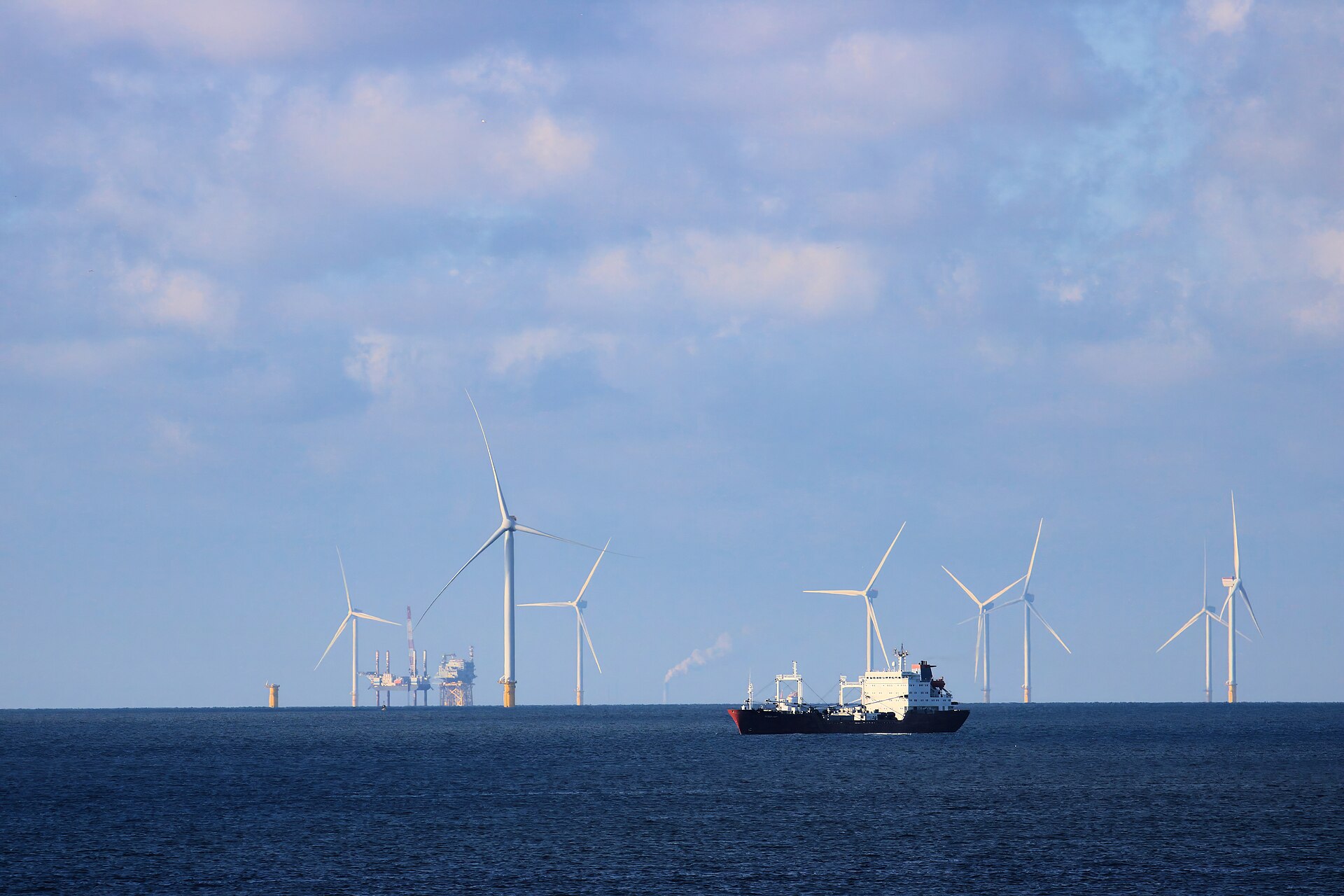
On Sept. 5, 2026, the U.S. military announced it had destroyed three oil tankers identified as linked to Iran's Islamic Revolutionary Guard Corps (IRGC). The strikes were described as a response to fire directed at American warships.
According to reports, the vessels targeted were the M/T Downy near Kharg Island, the M/T Stark 1 near Jask and the M/T Kylo in the Gulf of Oman.
Statements from the parties
If you shoot at two of our ships, we will impose an even higher economic price than that.
— Admiral Brad Cooper, United States (Times of Israel)
Iran's Revolutionary Guard, for its part, said it had targeted three oil tankers moving along unauthorized routes and three U.S. vessels in other areas.
The strikes by the armed forces of the Islamic Republic of Iran against U.S. warships will be harsher than before.
— Statement of the Khatam al-Anbiya Central Headquarters
Why the Strait of Hormuz is central
The Strait of Hormuz is the only sea route connecting the Persian Gulf with the open sea. A significant share of the world's seaborne oil flow passes through it. Any tension around the strait has a rapid effect on world oil prices.
- Date: Sept. 5, 2026
- U.S. strike: 3 tankers
- Areas: Kharg Island, Jask, Gulf of Oman
- Iranian claim: 3 tankers and 3 U.S. vessels targeted
The wider conflict
Military clashes between Iran and the United States and Israel have continued since February 2026. Several incidents connected to this conflict were recorded in September, including attacks on bases in Kuwait and the United Arab Emirates.
There was movement on the diplomatic track as well: on Sept. 9, the IAEA Board of Governors adopted a resolution calling on Iran to cooperate with the agency, and on Sept. 10 a vote on sanctions in the UN Security Council ended 11 to 2.
At the BRICS summit in New Delhi on Sept. 12, Iranian President Masoud Pezeshkian criticized unilateral sanctions and called for expanding trade in national currencies.
The impact on Central Asia
The conflict's effect on the region is felt mainly through economic channels. Rising oil prices intensify inflation in importing countries: annual inflation in Kyrgyzstan stood at 11.7 percent at the end of August 2026, and official analyses cited world fuel prices among the causes.
For exporting countries, rising prices increase revenue, but the danger along sea routes drives up insurance and freight rates. The situation in the Red Sea is having an effect in the same direction: on Sept. 14, the Houthis announced they had taken control of two islands near the Bab el-Mandeb strait.
Assessing the information
About the Strait of Hormuz
The Strait of Hormuz connects the Persian Gulf with the Gulf of Oman and the Indian Ocean. At its narrowest point it is roughly 33 kilometers wide; the shipping lanes designated for vessels are narrower still.
Iran lies on one side of the strait, with Oman and the United Arab Emirates on the other. The bulk of the Persian Gulf states' oil exports passes through it.
For that reason the strait is considered one of the most sensitive points in the global energy market: any tension there has a rapid effect on prices.
Kharg Island and Jask
Kharg Island was named among the areas where strikes were carried out. The island is the site of Iran's main oil export terminal, and a large share of the country's exports is shipped from there.
Jask is a port on the Gulf of Oman coast where Iran has built an alternative export terminal in recent years. Its strategic significance lies in creating the ability to bypass the Strait of Hormuz.
The concept of a naval blockade
Iranian statements described the U.S. actions at sea as a blockade. In international law, a naval blockade falls among measures taken in a state of war, and its legal status is a subject of separate debate.
In practice, such measures affect trade flows through insurance and freight rates: insurance for vessels becomes more expensive in areas assessed as high-risk.
The effect on oil prices
Tensions in the Persian Gulf and the Red Sea are cited among the factors that contributed to rising world oil prices over the course of 2026.
For importing countries this becomes an inflationary factor. Annual inflation in Kyrgyzstan stood at 11.7 percent as of Aug. 24, and official analyses cited the price of imported fuel among the causes.
For exporting countries — Kazakhstan, Turkmenistan and Azerbaijan — rising prices increase budget revenues.
The wider picture of the conflict
Military clashes between Iran and the United States and Israel have continued since February 2026. Attacks on bases in Kuwait and the United Arab Emirates were also recorded in September.
On the diplomatic track, the IAEA Board of Governors adopted a resolution on Sept. 9 calling on Iran to cooperate with the agency; on Sept. 10, a vote on sanctions in the UN Security Council ended 11 to 2.
At the BRICS summit in New Delhi on Sept. 12, Iran's president criticized unilateral sanctions and called for expanding trade in national currencies.
The Red Sea track
The situation in the Red Sea also escalated during this period: on Sept. 14, the Houthi movement announced it had taken control of the Greater and Lesser Hanish islands, while Saudi Arabia carried out strikes on Mokha airport.
The two straits — Hormuz and Bab el-Mandeb — are considered the most important chokepoints in global maritime trade. Simultaneous tension in both creates additional uncertainty in the logistics market.
Assessing the information
Much of the information on military operations rests on the parties' official statements. Claims about vessels' affiliation, cargo composition and the results of strikes are often contradictory.
Opportunities for independent verification are limited; satellite imagery and ship-tracking data provide additional confirmation in some cases.
The question of the “shadow fleet”
Oil exports by countries under sanctions regimes often use vessels referred to as a “shadow fleet.” The term is applied to tankers with unclear ownership, limited insurance and frequently changing flags.
International organizations have noted that such vessels remain outside international oversight and pose environmental risks: their technical condition and crew training often go uninspected.
The Persian Gulf states
For the Persian Gulf states, tension in the strait is a direct economic risk. Their export routes are directed mainly toward Asian markets.
Some countries have built alternative pipelines: among them are Saudi Arabia's pipeline to the Red Sea and the United Arab Emirates' Fujairah terminal.
Much of the information on military operations rests on the parties' official statements, and opportunities for independent verification are limited. Claims about vessels' affiliation and cargo composition are also often contradictory.