Islamic rulings explained: fard, wajib, sunnah, mustahabb, mubah, makruh and haram
In Islamic jurisprudence every act is placed into five — or, in the Hanafi school, seven — categories: fard, wajib, sunnah, mustahabb, mubah, makruh and haram. These define how obligatory or forbidden an act is, and the reward or sin in doing or leaving it. The Hanafi school (followed by most in Uzbekistan and the diaspora) distinguishes fard from wajib, while the other schools often treat them as the same. A reference — facts only, not a fatwa.
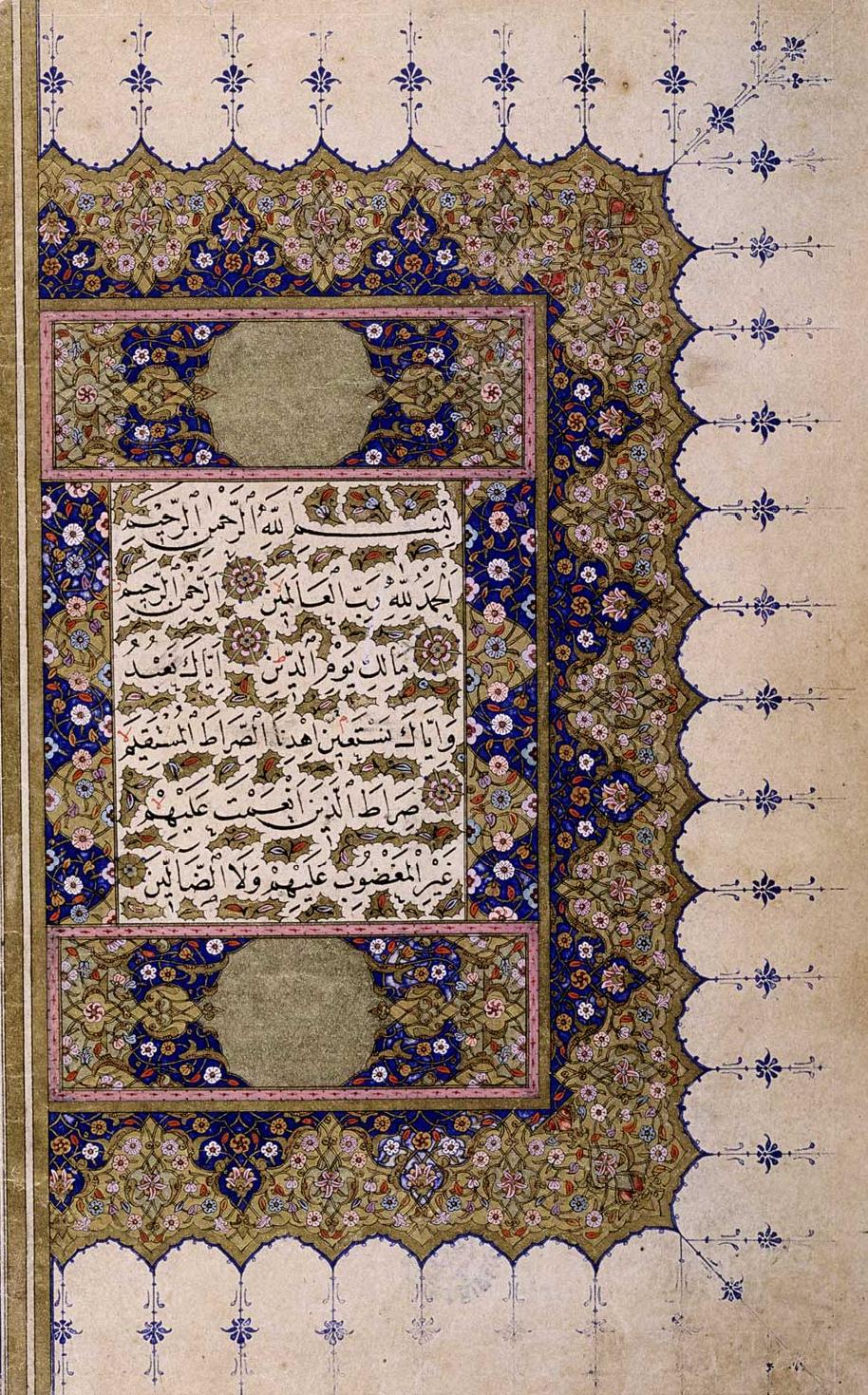
In Islamic law (fiqh), every human act receives a ruling (hukm) — a legal valuation of whether it is obligatory, recommended, merely permitted, disliked or forbidden. These valuations are known as the five rulings; because the Hanafi school separates fard from wajib and makruh from haram, in practice this produces seven levels. The following explains them, facts only — a specific ruling must be sought from a qualified scholar.
Why this classification matters
This classification helps a Muslim judge the religious weight of an act — whether performing it is required or optional, and whether leaving it is sinful. The five daily prayers cannot be placed on the same level as a voluntary prayer, nor the forbidden on the same level as the merely disliked. Each category has its own place, evidence and consequence.
Fard — definitely obligatory
Fard is an act proven obligatory by definitive (decisive) evidence — for example the five daily prayers, the fast of Ramadan, and the Hajj for those able. In the Hanafi view, abandoning a fard without excuse is a major sin, and denying its obligation amounts to leaving Islam (kufr). Fard divides into fard ayn — obligatory on each individual (like the five prayers) — and fard kifaya — an obligation discharged on behalf of all if some of the community perform it (like the funeral prayer).

Wajib — obligatory, one degree below fard
Wajib is also an act that must be done, but it rests on probabilistic (non-decisive) evidence. The Hanafis therefore rank it a step below fard: abandoning a wajib without excuse is sinful, but denying its obligation does not make one a disbeliever, unlike denying a fard. In the Hanafi school the witr prayer, the two Eid prayers and the Fitr charity are examples of wajib. In the Shafi'i, Maliki and Hanbali schools, 'fard' and 'wajib' are often used interchangeably — this distinction is specific to the Hanafi school.
Sunnah — the practice of the Prophet
Sunnah is an act the Prophet (peace be upon him) performed, commanded or approved. It divides into sunnah mu'akkadah — a confirmed, emphasised sunnah (such as the regular sunnah units attached to the daily prayers) — and sunnah ghayr mu'akkadah — a non-emphasised sunnah sometimes left. Habitually leaving a confirmed sunnah is disliked, but not sinful in the way abandoning a fard or wajib is.
Mustahabb — recommended
Mustahabb (also called mandub or nafl) is an act that is recommended but not required. One is rewarded for doing it and not sinful for leaving it, nor held to account. Many voluntary prayers, extra fasts, charity and remembrance (dhikr) fall here. Mustahabb is a means of perfecting one's practice and drawing nearer to God, but it is not an obligation.
Mubah — permitted, neutral
Mubah (also halal or permissible) is an act the law allows equally, where doing or not doing it is balanced — neither reward nor sin follows, such as choosing among permitted foods or wearing a particular colour. Yet a mubah act done with good intention — eating to gain strength for worship, for instance — can become rewarded.
Makruh — disliked
Makruh is an act it is better to leave. The Hanafis split it into makruh tahrimi — disliked close to the level of the forbidden, so that doing it is sinful — and makruh tanzihi — a lighter dislike that is simply better avoided. In general, leaving a makruh is rewarded; doing a tanzihi makruh is not punished but the act is not praiseworthy.
Haram — strictly forbidden
Haram is an act forbidden by definitive evidence — for example riba (interest), pork, intoxicants, theft and adultery. One who does a haram is sinful and liable to punishment; one who leaves it is rewarded. Because its prohibition rests on decisive evidence, denying that it is forbidden carries grave consequences. Haram is therefore the heaviest prohibition in the scale.
In one table: reward and sin
In brief: fard and wajib must be done — leaving them is sinful; sunnah and mustahabb are rewarded when done and not sinful when left (the confirmed sunnah being an exception); mubah is balanced — neither reward nor sin; a makruh is better left; and haram is strictly forbidden — doing it is sin, leaving it is reward. Terminology may differ between the schools, but the core logic — grading acts by their degree of obligation — is shared across the Sunni schools.
Why this matters for Uzbekistan and the diaspora
Most Muslims in Uzbekistan and the diaspora follow the Hanafi school, so knowing the difference between fard and wajib, and the two kinds of makruh, helps in making correct everyday religious decisions. This reference explains the general legal basis and does not issue a fatwa; for a specific question it is advised to consult a reliable religious authority or a qualified scholar.

Sources
- SeekersGuidance — The Hanafi Madhhab's Approach to Classifying Legal Rulings (fard, wajib, sunna, mandub, mubah, makruh, haram)
- Wikipedia — Fard (Hanafi distinction between fard and wajib; fard ayn and fard kifaya)
- Islam Question & Answer (IslamQA) — The categories of actions in Islam (the five rulings)
- Wikipedia — Mustahabb (recommended acts; ahkam / five categories overview)