Uzbekistan joins the Organisation of the Islamic Conference (1995–1996)
After independence, Uzbekistan restored formal ties with the Muslim world. At an extraordinary meeting of foreign ministers held in New York in the autumn of 1995, Uzbekistan was admitted to the Organisation of the Islamic Conference (OIC) as an observer, and on 2 October 1996 it became a full member. This was part of the country's religious revival and its multi-vector foreign policy. In 2011 the organisation was renamed the Organisation of Islamic Cooperation. A historical reference — facts only.
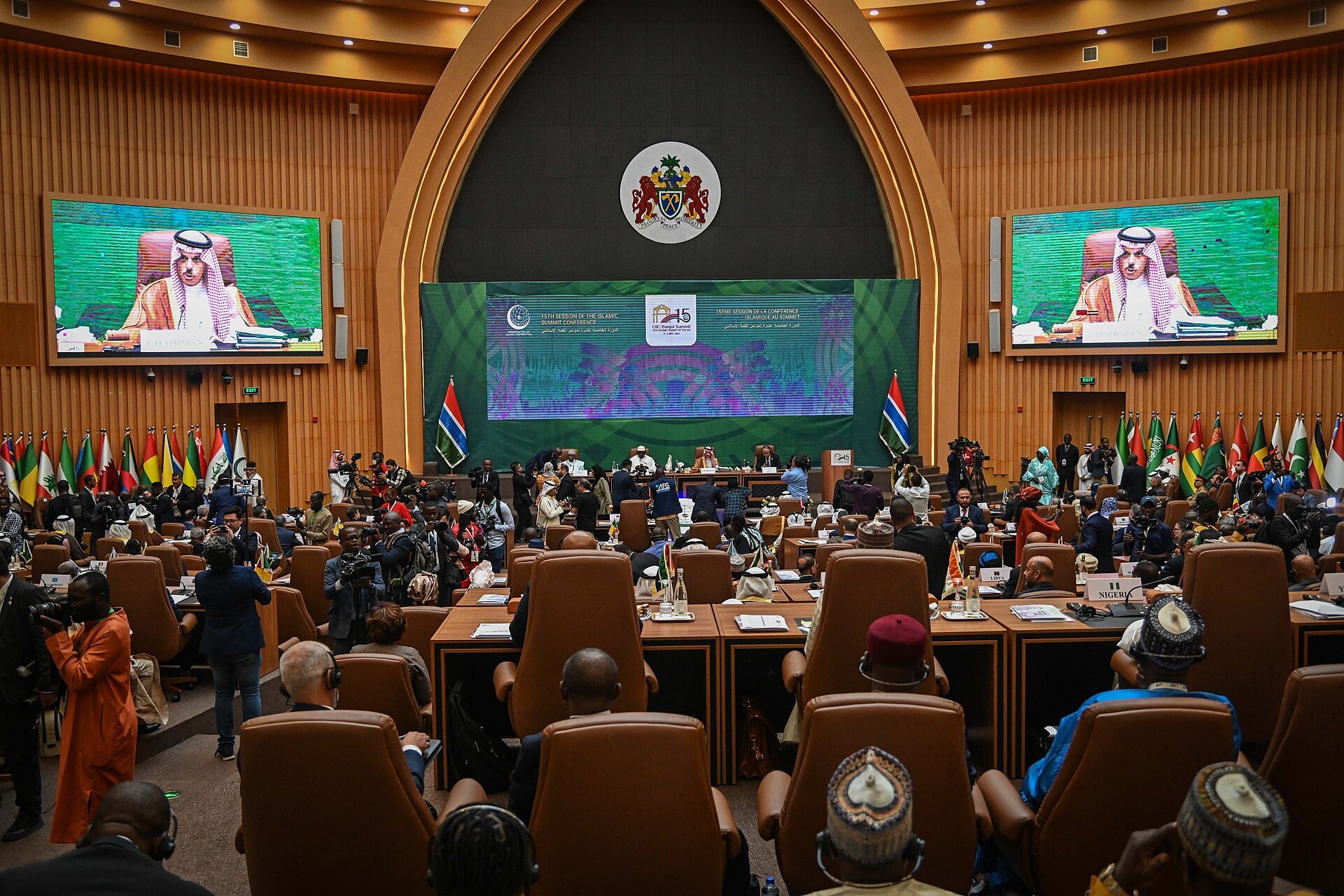
Having gained independence in 1991, Uzbekistan joined dozens of international organisations within a short time. Among them, the step that marked a formal link with the community of Muslim states was its membership of the Organisation of the Islamic Conference (OIC). The following explains when and how this happened — facts only.
What the Organisation of the Islamic Conference is
The Organisation of the Islamic Conference (OIC) is an intergovernmental organisation uniting Muslim-majority states, founded in 1969. Its headquarters is in the city of Jeddah in Saudi Arabia. The organisation aims at political, economic and cultural cooperation among its members and at defending the common interests of the Muslim world. Today it brings together 57 member states.
Uzbekistan's path to joining
Uzbekistan joined the OIC in two stages. In the autumn of 1995, at an extraordinary meeting of the foreign ministers of the organisation's member states held in New York, the Republic of Uzbekistan was admitted with observer status. Then, on 2 October 1996, the country became a full member of the organisation.

The historical context: an era of religious revival
This step coincided with Uzbekistan's post-independence religious revival. In the late 1980s and early 1990s mosques had begun to reopen in the country, the Hajj pilgrimage had been restored, and religious education had returned. Membership of the OIC was the foreign-policy continuation of this process — Uzbekistan presenting itself as part of the Muslim world.
As part of a multi-vector foreign policy
Joining the OIC was one link in Uzbekistan's broad foreign policy of the early years of independence. In the same period the country became a member of the United Nations (1992), the Organisation for Security and Co-operation in Europe, the Economic Cooperation Organization (ECO, 1992) and other structures. OIC membership gave the country the opportunity to cooperate with Muslim states on a dedicated platform.
The organisation's new name (2011)
In 2011 the organisation's official name was changed from the 'Organisation of the Islamic Conference' to the 'Organisation of Islamic Cooperation'; the abbreviation (OIC) was kept. For that reason the organisation Uzbekistan joined in 1996 is today known as the 'Organisation of Islamic Cooperation'.
Later cooperation: the 2016 Tashkent session
In the decades after joining, Uzbekistan took part in events within the organisation. One important milestone was the holding of the 43rd session of the OIC Council of Foreign Ministers in Tashkent in October 2016. This is counted among the events that demonstrated Uzbekistan's active participation in the organisation's work.
Why this history matters
Uzbekistan's membership of the OIC was one of the steps by which the independent state defined its identity: it shows how the country positioned itself on the international stage as both a secular republic and a Muslim-majority society. For the diaspora, it helps in understanding when and how the homeland's formal ties with the Muslim world were formed. This reference rests on historical facts only.

Sources
- Embassy of Uzbekistan — Uzbekistan–OIC cooperation (observer status autumn 1995; full member 2 October 1996)
- Wikipedia — Foreign relations of Uzbekistan (OIC membership)
- Wikipedia — Organisation of Islamic Cooperation (founded 1969, HQ Jeddah, 57 members, renamed 2011)
- Uzbekistan and the 43rd session of the OIC Council of Foreign Ministers, Tashkent, October 2016