Islamic funeral and burial rites: how ghusl, kafan, the funeral prayer and burial are performed
In Islam, seeing off the deceased consists of four core acts: ghusl (washing), kafan (shrouding in white cloth), the funeral prayer (salat al-janazah), and burial (dafn). This explainer sets out each stage, the structure of the funeral prayer (four takbirs, with no bowing or prostration), the rules of mourning, and practical points for Uzbekistan and the diaspora abroad — on the basis of sources only. A religious rite is not a substitute for legal or personal advice.
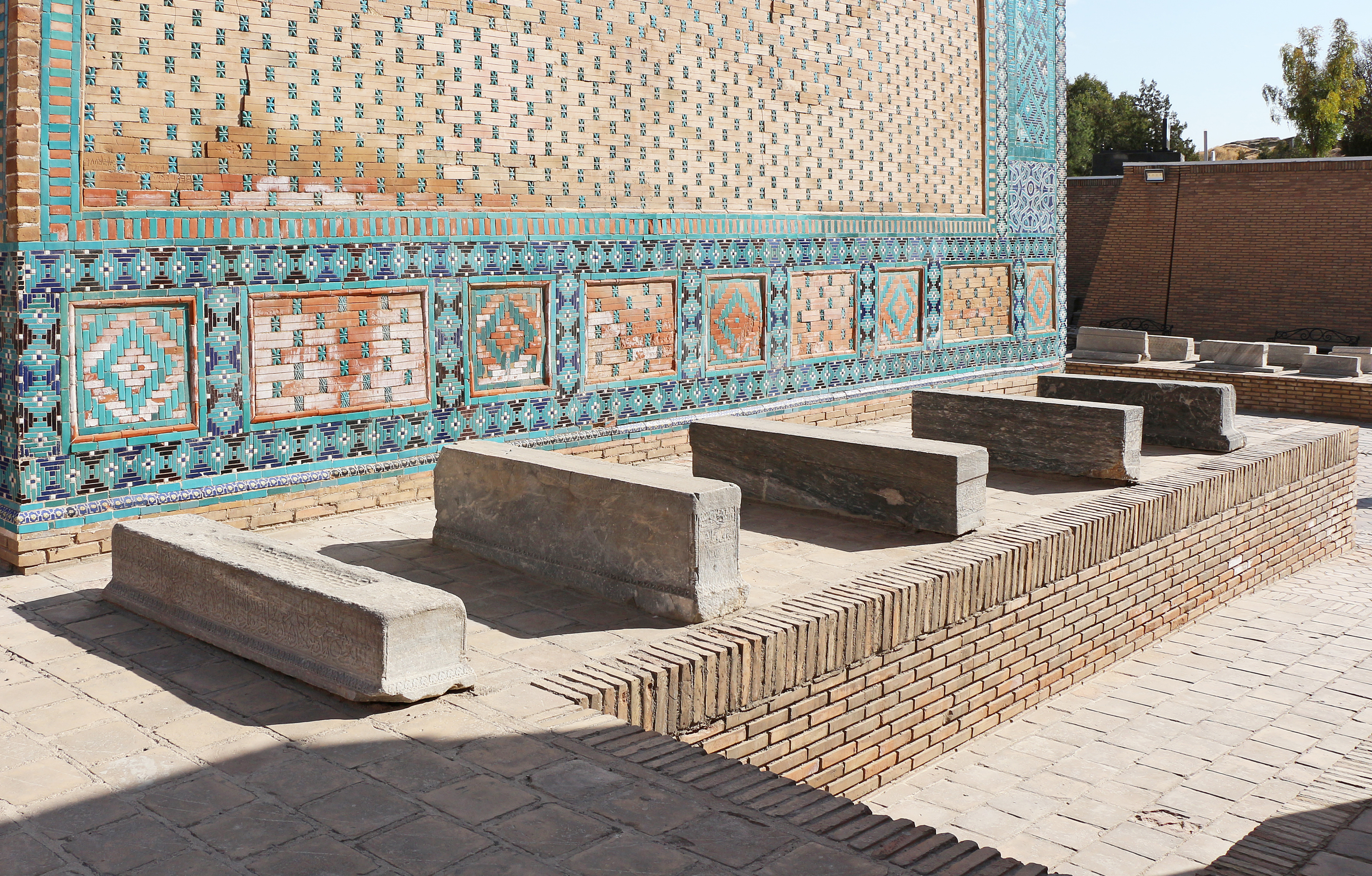
In Islamic law, seeing off a deceased Muslim is a communal obligation on living Muslims (fard kifaya): if some members of the community perform it, the obligation falls from the rest; if no one does, the whole community is at fault. The rite consists of four core acts: ghusl (washing the body), kafan (shrouding in white cloth), salat al-janazah (the funeral prayer), and dafn (burial). Each stage below is set out as sourced facts only.
1. Ghusl — washing the body
The body is washed with clean water an odd number of times — usually three, or five or seven if needed. The washing is normally performed by close relatives of the same gender or by designated persons: men wash men, women wash women. A person martyred in battle (shahid), in the view of most scholars, is not washed and is buried in their clothes. The washing begins with the ablution (wudu).
2. Kafan — shrouding in white cloth
The body is wrapped in simple, white cloth. By tradition, three pieces are used for a man and five for a woman. A plain, clean shroud rather than an ornate one is held to be in keeping with the Sunnah. Separate rules apply to a person who dies in the state of ihram during Hajj or Umrah.

3. Salat al-janazah — the funeral prayer
The funeral prayer is performed standing; it has no ruku (bowing) or sujud (prostration). It consists of four takbirs: after the first takbir Surah al-Fatihah is recited (in the Hanafi school, preceded by the thana); after the second, salawat is sent upon the Prophet (peace be upon him); after the third, a supplication (du'a) is made for the deceased; after the fourth, the taslim (salam) is given. The funeral prayer is also fard kifaya and is preferably prayed in congregation.
4. Dafn — burial
The deceased is buried as soon as possible — in the view of many scholars, within one day of death. The body is placed in the grave with the face turned toward the qibla (Mecca), usually lying on the right side. Cremation is strictly forbidden in Islam — the body is buried in the ground. Building an overly ornate grave is discouraged in some reports.
Mourning and condolence
Relatives and friends offer condolences (ta'ziya); the general mourning period is usually three days. For a widow, the waiting period (iddah) is four months and ten days (or until childbirth if she is pregnant). Islamic teaching discourages excessive wailing, display of the body, and ostentation; patience and supplication are encouraged. The third-, seventh-, twentieth- and fortieth-day gatherings widespread in Uzbekistan and Central Asia are local-cultural customs whose religious status is debated among scholars.
The practical procedure in Uzbekistan
In Uzbekistan a funeral is usually organised through the mahalla and the mosque; the body is buried in a local cemetery. The death is registered with the state body — the civil registry office (FHDYo) — which issues a death certificate; that document is needed for inheritance, pensions and other legal matters. The religious rite is conducted with the participation of the mahalla imam.
For the diaspora abroad
In the United States and elsewhere the process is organised differently: a death certificate is issued, and burial is usually handled through a funeral home and a Muslim cemetery. Some states may require embalming or a casket — which can clash with the Islamic principles of speed and simplicity, so many families turn to Muslim funeral services. Repatriating the body to Uzbekistan requires consular documents and the relevant permits.
In sum: the essence of the Islamic funeral and burial is to see off the body quickly, simply and with respect: ghusl, kafan, the funeral prayer and burial. Secular law, for its part, requires a death certificate and registration. This explainer gives the general facts; in specific cases one consults the local imam and the official authorities.
