The Central Asian Arabs: Uzbekistan's oldest, almost vanished community
The Central Asian Arabs are an ethnic Arab community that settled in Transoxiana in several waves between the 7th and 17th centuries, starting with the Arab conquest. They lived in Samarkand, Bukhara, Qashqadaryo and Surxondaryo (present-day Uzbekistan) and Khatlon (Tajikistan). Their total number today is no more than 10,000; Uzbekistan's 1989 census recorded 2,800 (another figure gives 12,880), and Tajikistan's 2010 census over 4,000. Their language — Central Asian Arabic — is endangered. Most have gradually assimilated into the Uzbek and Tajik populations. Based on scholarly sources.
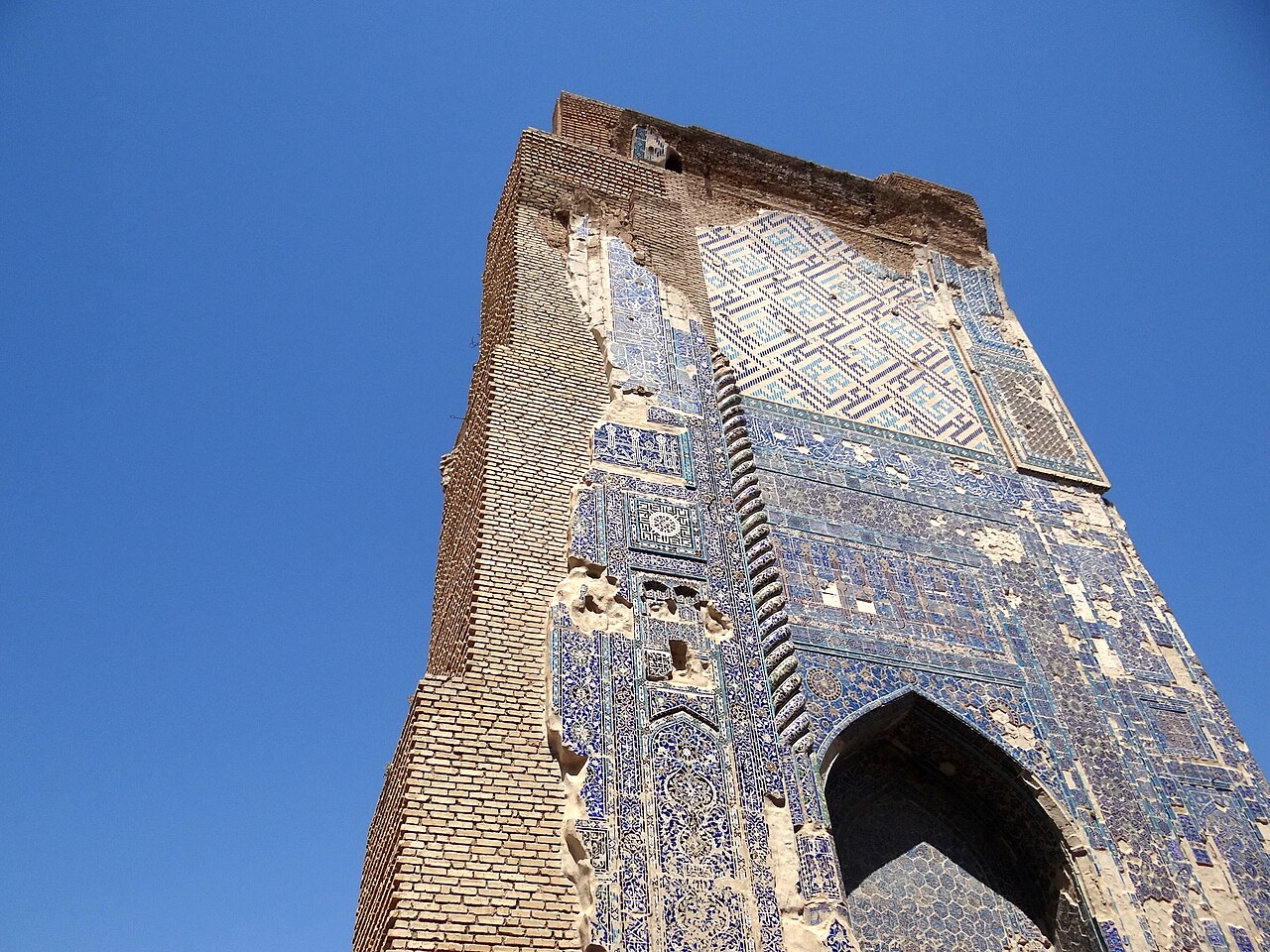
Among the peoples of Uzbekistan there is a community that lived there for centuries but is almost forgotten today — the Central Asian Arabs. Their history begins with the arrival of Islam and is ending today in near-total assimilation. The following sets out this community's history using only verified facts.
Origins: from the Arab conquest to the 17th century
Arabs came to Central Asia not in one wave but in several between the 7th and 17th centuries. The first wave falls in the 7th–8th centuries, when Arab Muslim armies conquered Transoxiana; large military garrisons were placed around Bukhara and Samarkand. They were later joined by other Arab groups from Balkh and Andkhoy (present-day Afghanistan).
Where they lived
The Central Asian Arabs settled mainly in villages in the present-day Uzbek regions of Samarkand, Bukhara, Qashqadaryo and Surxondaryo, in Tajikistan's Khatlon region, and in Turkmenistan (around Türkmenabat and Dänew). They often lived in separate villages and preserved their traditions for a long time.

Numbers: no more than 10,000
Today the total number of rooted Arabs in Central Asia is no more than 10,000. Uzbekistan's 1989 census recorded 2,800 people as Arabs (some sources cite 12,880 for that census). Tajikistan's 2010 census counted over 4,000 Arabs. These figures are a very small share of the population.
Language: Central Asian Arabic
The community's mother tongue is Central Asian Arabic, markedly different from classical and modern literary Arabic. In Uzbekistan it has at least two dialects: the Bukharan dialect (influenced by Tajik) and the Qashqadaryo dialect (influenced by Turkic languages). The region's Arabic dialects are not always mutually intelligible, so speakers often used local languages or Russian to communicate.
Assimilation and an endangered language
Over the 20th century most Arabs merged into the Uzbek and Tajik populations; many registered as Uzbeks in Soviet censuses, which led to undercounting of their true numbers. As the younger generation shifted entirely to Uzbek or Tajik in daily life, the number of Central Asian Arabic speakers fell, and the language is now endangered.
Why this history matters
The history of the Central Asian Arabs shows how diverse Uzbekistan's population has been for centuries: Turkic, Persian and Arab roots lived side by side in one region. The near-total assimilation of this community is one more example of how the region's ethnic map keeps changing; its language and traditions are now being documented and preserved by scholars.
