How OPEC works and how oil prices are set
OPEC — the Organization of the Petroleum Exporting Countries — was founded on 14 September 1960 in Baghdad by five states (Iran, Iraq, Kuwait, Saudi Arabia and Venezuela); its headquarters has been in Vienna since 1 September 1965. As of 2026 it has 11 member states (the United Arab Emirates left in 2026). OPEC members hold about 79.5% of the world's proven oil reserves and about 38% of production (2022). The group influences the market through production quotas; since 2016 it coordinates with countries such as Russia and Kazakhstan in the "OPEC+" format. Based on official sources.
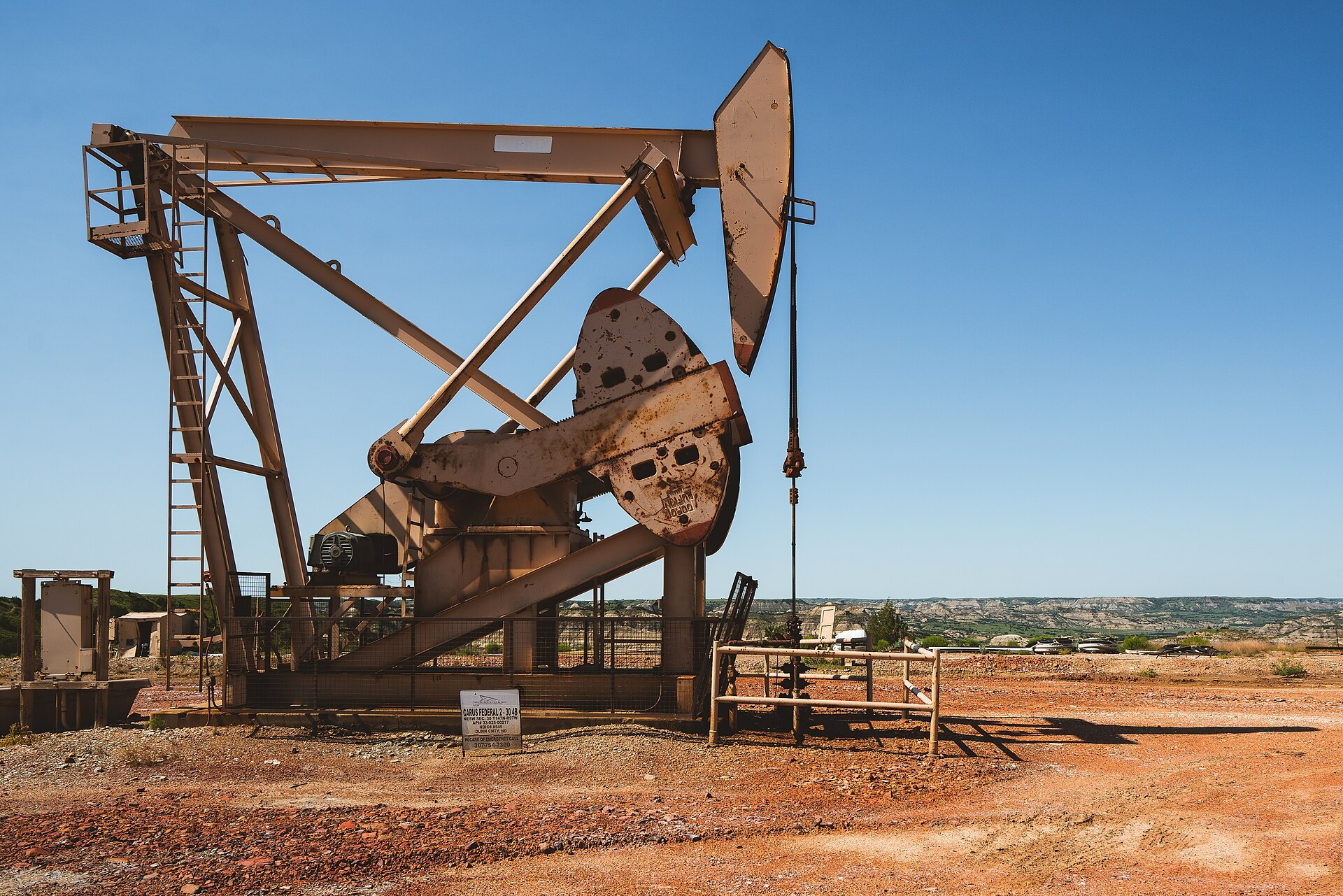
The price of oil affects everything from car fuel to food prices, and it sets the budgets of producing states. An organization called OPEC plays a major role in that price. The following explains what OPEC is and how the oil price is formed — facts only.
What OPEC is and when it was founded
OPEC stands for the Organization of the Petroleum Exporting Countries. It was founded on 14 September 1960 at a conference held in Baghdad, the capital of Iraq. The five founding states were Iran, Iraq, Kuwait, Saudi Arabia and Venezuela. Its aim is to coordinate members' oil policies and stabilize market prices.
Headquarters: from Geneva to Vienna
At first the OPEC Secretariat was in Geneva, Switzerland. On 1 September 1965 the organization moved its headquarters to Vienna, the capital of Austria, where it has operated ever since. The OPEC Conference usually meets at least twice a year.

Current members: 11 states
As of 2026 OPEC has 11 member states: Algeria, Equatorial Guinea, Gabon, Iran, Iraq, Kuwait, Libya, Nigeria, the Republic of the Congo, Saudi Arabia and Venezuela. Several states have left in recent years: Qatar (1 January 2019), Ecuador (1 January 2020), Angola (2024) and the United Arab Emirates (2026).
How big OPEC is
OPEC members hold about 79.5% of the world's proven oil reserves; much of that is in the Middle East. The group's share of world oil production was about 38% in 2022. That weight is exactly what makes OPEC's decisions matter for the global market.
Influence through quotas
OPEC does not set the price directly; its main tool is setting daily production volumes (quotas) for members. If the group cuts output, less oil reaches the market and the price usually rises; if it raises output, supply grows and prices face downward pressure. This is the law of supply and demand in action.
OPEC+ (since 2016)
In late 2016 OPEC members began cooperating with major oil producers outside the organization — a format called "OPEC+". OPEC+ includes Russia, Kazakhstan, Azerbaijan, Bahrain, Brunei, Malaysia, Mexico, Oman, Sudan and South Sudan, among others. It allows production to be coordinated on a wider scale.
Brent and WTI: where the price is set
The world price of oil is formed on exchanges, by supply and demand, and is usually measured against two main benchmarks: Brent (North Sea oil) for Europe and WTI (West Texas Intermediate) for the United States. OPEC decisions, global economic growth, inventory levels and geopolitical events together affect these benchmark prices.
Why this matters for Uzbekistan and the diaspora
Uzbekistan is not an OPEC member, but the oil price affects it directly and indirectly: fuel prices, the state of the world economy, and the economies of Russia and Kazakhstan — where many Uzbek labor migrants work — which depend on oil revenue. Kazakhstan takes part in the OPEC+ format. So OPEC's decisions reach the budgets of families thousands of kilometers away.
