The Uzbek diaspora in Canada: the making of a young but growing community
The Uzbek community in Canada is a young diaspora formed mainly after independence in 1991, to which a stream of ethnic Uzbeks from Afghanistan has been added. This article sets out the community's origins, its main streams, where it has settled and its figures, on the basis of sources.
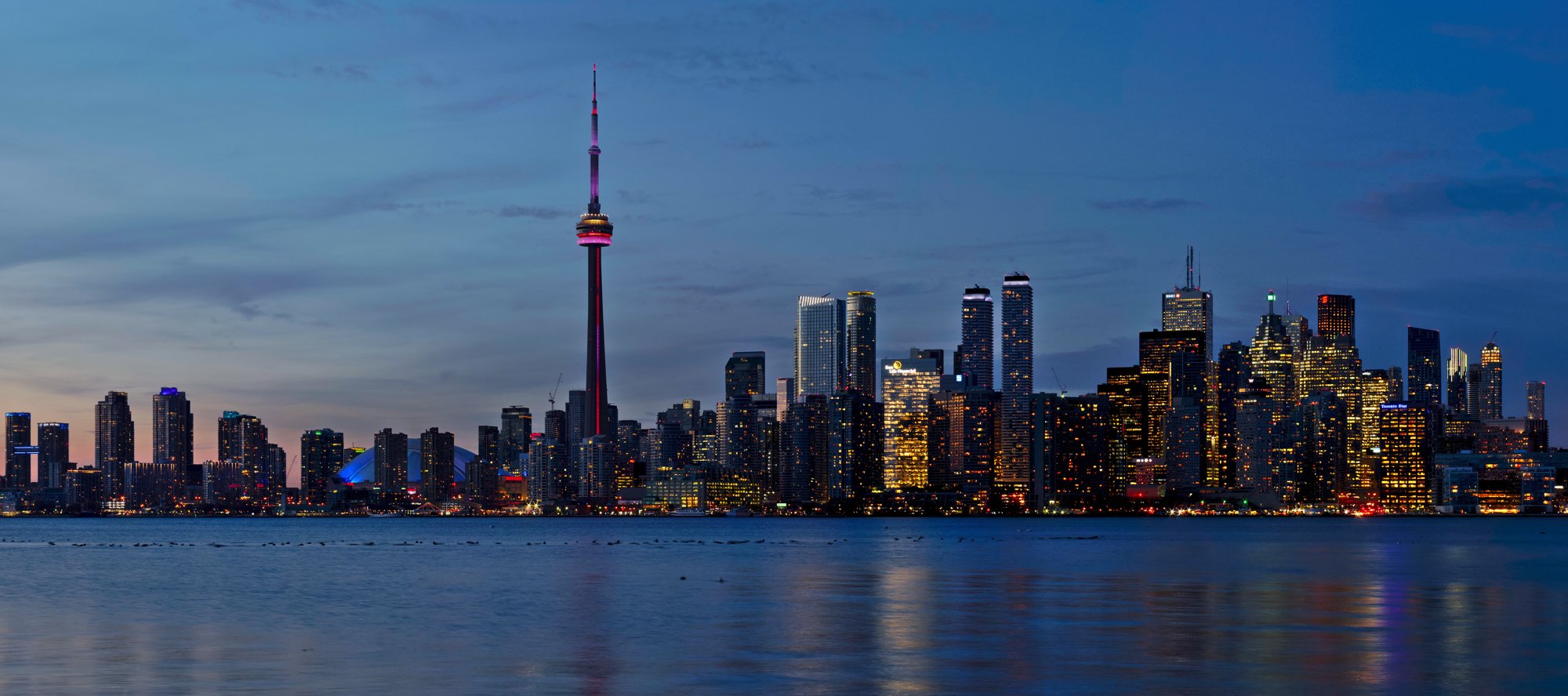
Unlike the Uzbek communities in Russia, Turkey or Saudi Arabia, the one in Canada is quite young: it began to form mainly after Uzbekistan became independent in 1991. In the Soviet period there was effectively no mass migration from Uzbekistan to Canada — there was no free migration between the countries. According to Canada's 2016 Census, 3,920 people reported Uzbek ancestry. (Source: Statistics Canada, 2016 Census.)
The community's two main streams
The Uzbek community in Canada formed mainly from two sources. The first is migrants from independent Uzbekistan: skilled professionals, students and economic immigrants. The second is ethnic Uzbeks from Afghanistan, who often arrived with refugee status. Although these two streams unite one people, they differ in their origin, language and the period in which they came.
The first stream: arrivals from Uzbekistan
Migrants from Uzbekistan came to Canada mainly through the country's points-based immigration system: skilled workers, highly educated professionals and students. Since 2015 Canada has run this system through an electronic selection system called "Express Entry." Members of this stream are concentrated mainly in the province of Ontario — the largest city, Toronto, and its surroundings — and in the city of Montreal in Quebec. (Source: Immigration, Refugees and Citizenship Canada, IRCC.)

The second stream: Uzbeks from Afghanistan
A distinct part of the community consists of ethnic Uzbeks from northern Afghanistan. For example, in the city of Guelph in Ontario there are about 150 ethnic Uzbek families originating from the city of Andkhoi and Faryab Province in Afghanistan. This group settled in Canada as refugees because of the war and instability in Afghanistan. (Source: "Uzbek Canadians" — open sources.)
Language and religion
Members of the Uzbek community in Canada speak Uzbek, Tajik and Russian in everyday life alongside English and French. The community's main religion is Sunni Islam. Because it is a young diaspora, its community organisations, cultural associations and mosques are relatively recent, formed mainly over the past few decades.
Figures and comparison
The figure of 3,920 in the 2016 Census shows that Canada's Uzbek community is relatively small. (Canada's 2021 Census counted over 450 ethnic-origin categories separately, but an exact updated figure for Uzbek origin could not be independently verified for this article — so only the 2016 figure is given here.) For comparison, the Uzbek community in the United States was estimated at about 98,000 as of 2025 — significantly larger than the one in Canada. (Source: Statistics Canada; "Uzbeks" — open sources.)
Conclusion
The Uzbek community in Canada is a small but growing North American diaspora with two roots: one of skilled immigrants and students from independent Uzbekistan, the other of ethnic Uzbek refugees from Afghanistan. Its history is studied alongside that of the Uzbek diaspora in the United States [[ozbek-diasporasi-aqshda-tarix]] and the broader migration waves [[ozbek-migratsiyasi-tortinchi-tolqin]].
