Birlik and Erk: the national awakening on the eve of independence (1988–1991)
During the perestroika years a national awakening movement took shape in Uzbekistan. At its center were the Birlik (Unity) popular movement, founded on 16 November 1988 (led by Abdurahim Pulatov), and the Erk Democratic Party that grew out of it, formed in 1990 (led by Muhammad Salih). Birlik campaigned to make Uzbek the state language; that goal was achieved on 21 October 1989. Below, these movements, their demands, the presidential election of 29 December 1991, and the subsequent ban are presented neutrally and strictly on the basis of reputable sources.
During the perestroika and glasnost of the late 1980s, a national and democratic awakening movement took shape in Uzbekistan. This article presents the founding of the Birlik popular movement and the Erk Democratic Party, their demands, their participation in the 1991 presidential election, and their subsequent fate strictly on the basis of reputable sources — historical and encyclopedic references and election records, neutrally and on a facts-only basis. The aim is not to judge but to present documented facts.
The Birlik popular movement (1988)
The Birlik (Unity) popular movement was founded on 16 November 1988 as a social movement. Among its founders were intellectuals, writers, and scholars; Abdurahim Pulatov was elected its chairman. Birlik's initial main demand was to grant Uzbek the status of state language, because at the time the official language of the republic was Russian and Uzbek held a secondary status. The movement also raised ecological problems such as the Aral Sea crisis and questions of social justice.
The language law — the first major result (1989)
As a result of the Birlik movement's organizational pressure and public demand, on 21 October 1989 the Supreme Soviet of the Uzbek SSR adopted the Law on the State Language and declared Uzbek the state language of the republic (Russian was retained as a language of official communication). This was the first major legal victory of the national awakening and later became one of the important steps toward independence. The making of Uzbek the state language and the law concerning it are examined in detail in a separate reference.

The turn toward the idea of independence
From late 1989, the Birlik movement was no longer confined to the language question but began to demand Uzbekistan's independence from the USSR and democratic reforms in the country. In this period ideological currents diverged within the movement: one part advanced the principle of 'first democracy, then independence,' while another wing favored the approach of 'independence first.' It was this second current that later led to the formation of a separate party.
The Erk Democratic Party (1990)
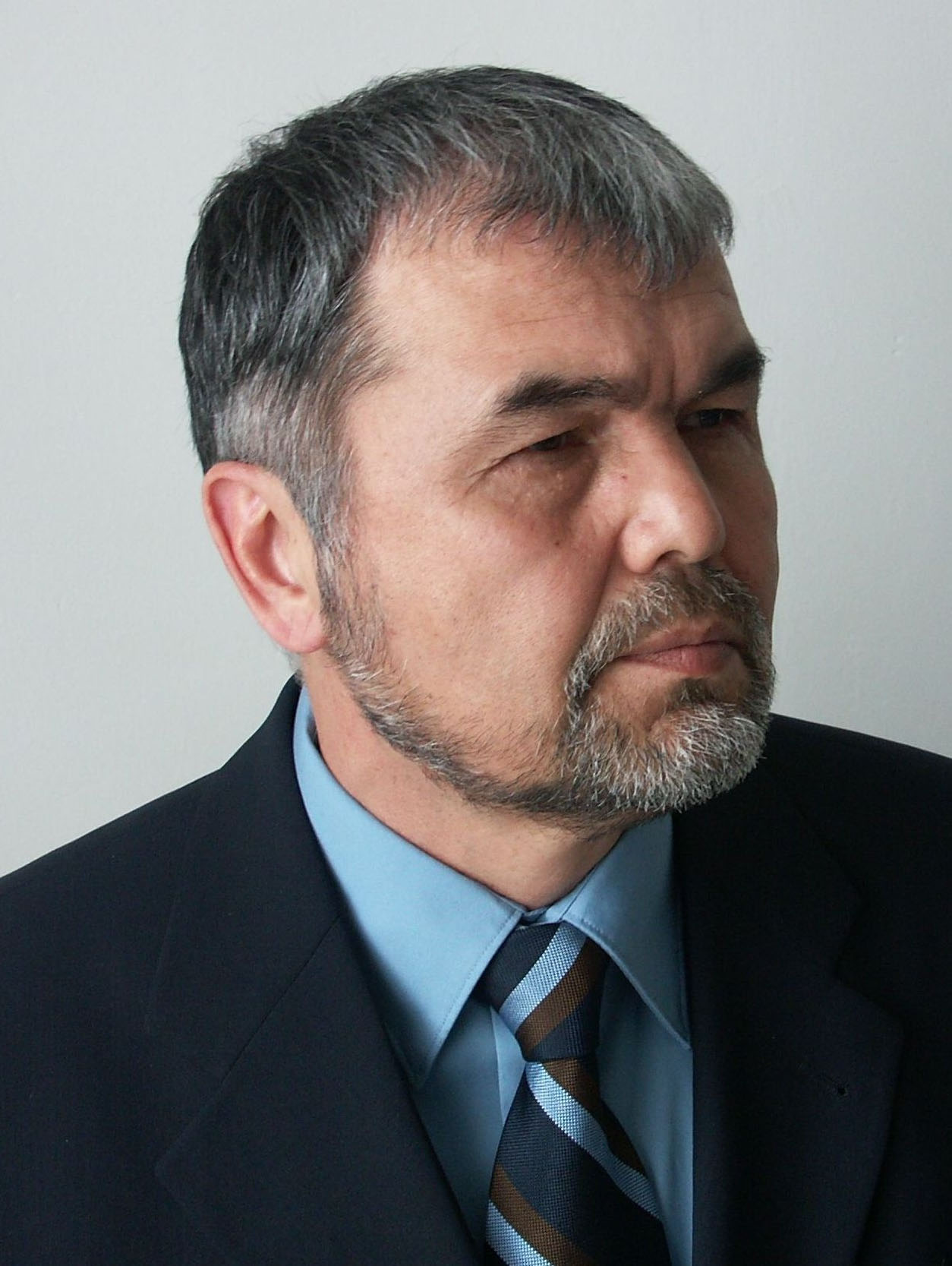
The Erk (Freedom) Democratic Party grew out of the Birlik movement and was formed in 1990; the writer and poet Muhammad Salih (born 20 December 1949) was elected its chairman. Erk adopted the principle of 'independence first' and defined its goal as building an independent democratic republic for Uzbekistan. The party was officially registered on 19 September 1991 — which made it an opposition force with formal status at the time.
The 1991 presidential election
On 29 December 1991, after the declaration of independence, the first presidential election was held in Uzbekistan. In it Muhammad Salih ran as the opposition candidate against the incumbent president Islam Karimov. According to the official results, Salih received 12.7 percent of the vote and Karimov won the election. This was the first — and, according to many sources, the only — election in Uzbekistan's history in which the president faced a serious challenger. The Birlik leader Abdurahim Pulatov had also declared his candidacy but was unable to register.
Ban and exile
After the election, pressure on the opposition intensified. The Erk party was banned in 1993, and its leadership was forced to relocate to Istanbul, Turkey. The Birlik movement failed to re-register with the Ministry of Justice in 1994 and fell into unofficial status; most of the movement's leaders left the country. Thus the open opposition movements that had taken shape in the late 1980s were pushed out of the official arena by the mid-1990s.
Historical legacy
Although the Birlik and Erk movements were active only for a short period, they played an important role on Uzbekistan's road to independence in defending the national language, raising ecological awareness, and bringing the idea of independence into public discussion. The 1989 language law was the most visible practical result of these movements. This article presents only documented facts; a full political analysis of the period is the subject of scholarly research.
