Uzbekistan-Iran diplomatic relations (1991-1996): the establishment of early ties
Iran was among the first states to recognize independent Uzbekistan: recognition came in December 1991, and diplomatic relations were formally established on 10 May 1992 (by a protocol signed in Ashgabat). The early years revolved around trade, transit and a shared Persianate cultural heritage, while Tashkent pursued a cautious policy as a secular state. History, facts only; some exact dates are approximate.
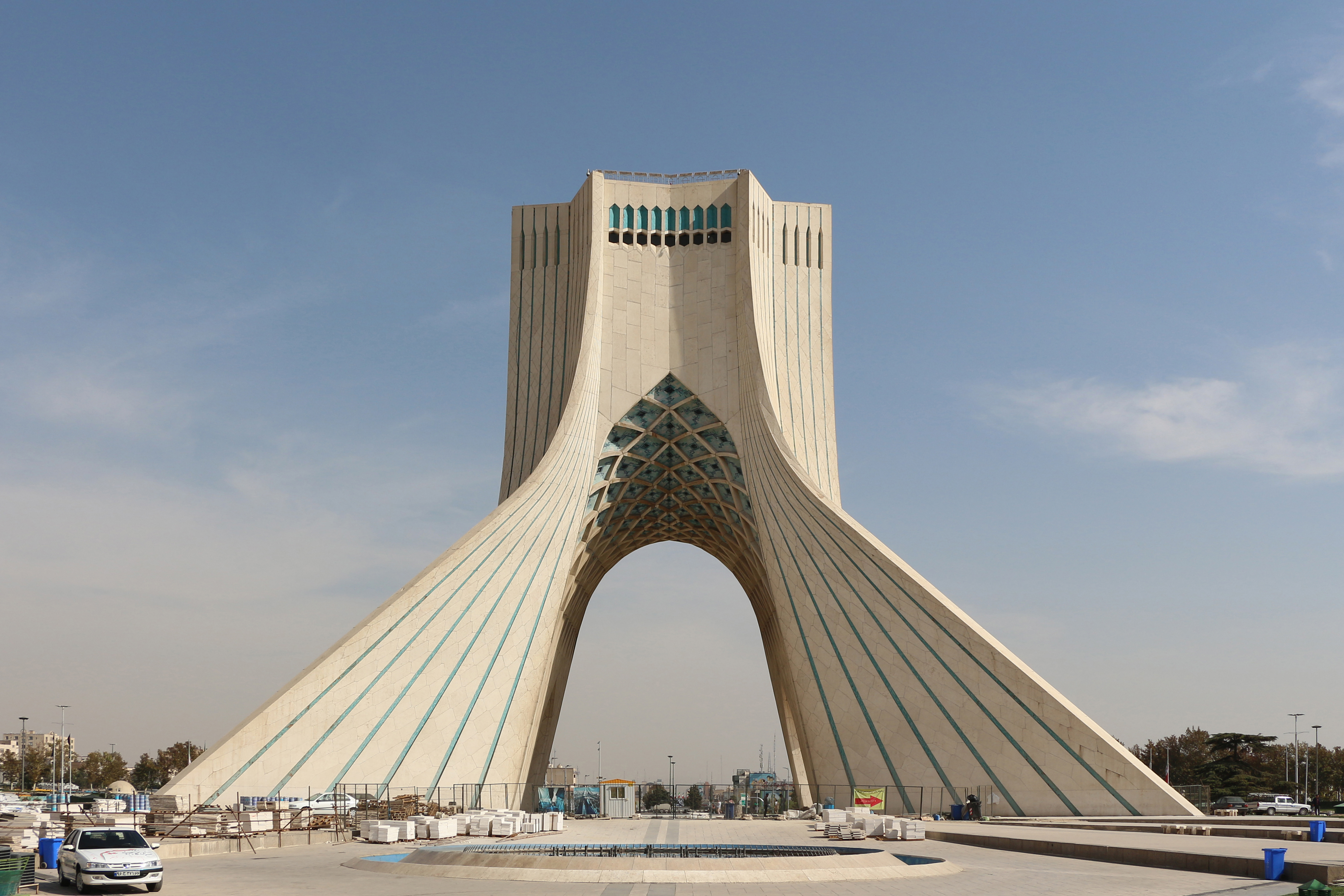
After independence Uzbekistan began establishing diplomatic relations with neighboring and major states. Among them was Iran. The following sets out, facts only, the early stage of relations between Uzbekistan and Iran in 1991-1996: recognition, the establishment of diplomatic relations, embassies and the first areas of cooperation.
Recognition and the establishment of diplomatic relations
Uzbekistan declared independence on 31 August 1991. Iran was among the first states to recognize the country, in December 1991 (the exact day differs between sources, so only the month is given here). Diplomatic relations between the two countries were formally established on 10 May 1992, on the basis of a protocol signed in Ashgabat; this date is also recorded in the official register of Uzbekistan's Ministry of Foreign Affairs.
Embassies and the first visits
Iran's embassy in Tashkent opened in November 1992; Uzbekistan's embassy in Tehran began work in May 1995. President Islam Karimov made his first visit to Iran in 1992 (in November, according to some sources). Iranian President Akbar Hashemi Rafsanjani visited Uzbekistan in October 1993 as part of a Central Asia tour.

ECO and the transit context
On 28 November 1992 Uzbekistan joined the Economic Cooperation Organization (ECO), an organization founded by Iran, Pakistan and Turkey (we have a separate article on it). For landlocked Uzbekistan, Iran was important as a potential transit route south, toward the Persian Gulf. The Tejen-Sarakhs-Mashhad railway, opened on 13 May 1996, linked the Central Asian (Turkmenistan) network to Iran; it is a Turkmenistan-Iran line that benefited Uzbekistan indirectly, through transit.
The first areas of cooperation
Early cooperation was directed at trade, transport and transit, and at scientific and cultural fields, with the shared Persianate heritage (Samarkand, Bukhara, Tajik/Persian linguistic ties) serving as a natural basis. In the first years after independence intergovernmental memoranda and joint-commission protocols were signed; according to sources, more than thirty cooperation documents were adopted in 1992-2002.
Tashkent's cautious secular policy
The Karimov government maintained its status as a secular state and approached the Islamic Republic of Iran, and political Islam in general, with caution. Because the two states' political systems differed - a secular presidential republic and a religious republic - relations, though established early, did not develop very rapidly over the 1990s.
The later period
The diplomatic foundation laid in 1991-1996 was preserved afterward, and relations grew noticeably livelier, especially from 2016 under President Shavkat Mirziyoyev. That, however, is outside the main period of this article (1991-1996).
Why this matters
The early years of Uzbekistan-Iran relations show the independent state's practical approach to foreign policy: establishing ties with neighbors and culturally close states while preserving the principles of a secular state. The question of access to the sea and the shared Persianate cultural heritage are factors that continue to shape these relations today.

Sources
- Oʻzbekiston TIV — Diplomatic Relations of Uzbekistan (Iran: 10.05.1992, protocol signed in Ashgabat)
- Wikipedia — Foreign relations of Uzbekistan (diplomatic relations with Iran 10 May 1992)
- MEPEI — Iran-Uzbekistan relations: opportunities, challenges and prospects (recognition Dec 1991; May 1992; secular/cautious stance)
- Tehran Times — Uzbekistan-Iran relations: historical ties and modern cooperation (embassies: Tashkent Nov 1992, Tehran May 1995; Karimov first visit)
- Wikipedia — Economic Cooperation Organization (Uzbekistan joined 28 Nov 1992; founded by Iran, Pakistan, Turkey)
- UPI Archives — Iran-Turkmenistan railway (Tejen-Sarakhs-Mashhad) launched 13 May 1996