Uzbekistan to prepare nine caves and a salt mine for tourism
Ten natural sites across four regions — including the Baysun caves and the Khojaikon salt mine — will be opened for tourism by 2029, with digital passports and marked routes.
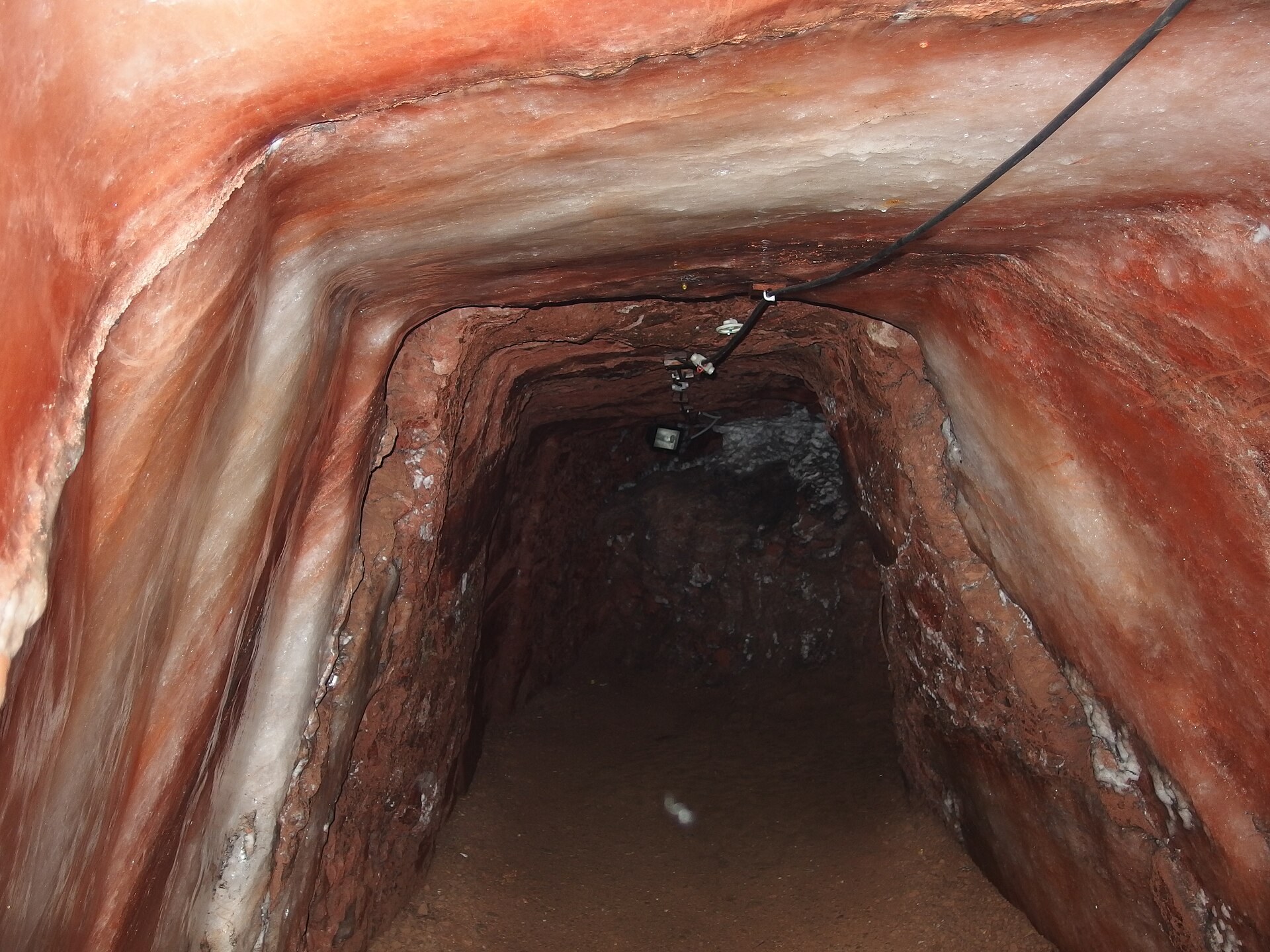
Uzbekistan has approved a roadmap to develop nine caves and one salt mine — ten natural sites in total — for tourism (speleotourism). The plan aims to bring the country's natural landmarks to the global tourism market.
Which sites
The sites are in four regions. In Jizzakh — the Peshagor cave in Zaamin district; in Samarkand — the Yakhdon, Amankutan, Kiev and Hazrati Davud caves; in Surkhandarya — the Korongu Yulduz, Boybulok and Teshiktash caves in Baysun district; and in Kashkadarya — the Amir Temur cave in Yakkabag district. The Khojaikon salt mine in the Sherabad district of Surkhandarya is also included.
How they will be developed
Each site will get a digital passport with a QR code, a 3D model, photo and video materials, and route and navigation signage. The Ministry of Emergency Situations will draft safety rules for cave visits.

Timeline
Under the roadmap, tourist routes are to be approved by April 2027, and a certification system for guides and instructors is to be introduced by June 2027. Visitor infrastructure at the sites is expected to enter service in January 2029.
The bigger picture
Cave tourism is part of Uzbekistan's broader plan to increase tourist flows. In January–November 2025 the country received 10.7 million foreign visitors — a record — and the government aims to host 20 million international tourists a year by 2030.
