Uzbekistan's Declaration of State Sovereignty (20 June 1990)
On 20 June 1990 the Supreme Soviet of the Uzbek SSR adopted the Declaration of State Sovereignty — not independence itself, but a decisive step toward it. The declaration proclaimed the primacy of republican law. This piece sets out its content, the context of the Soviet “parade of sovereignties” (1988–1990), the election of Islam Karimov as the first president on 24 March 1990, the 1989 language law, and the road to full independence on 31 August 1991.
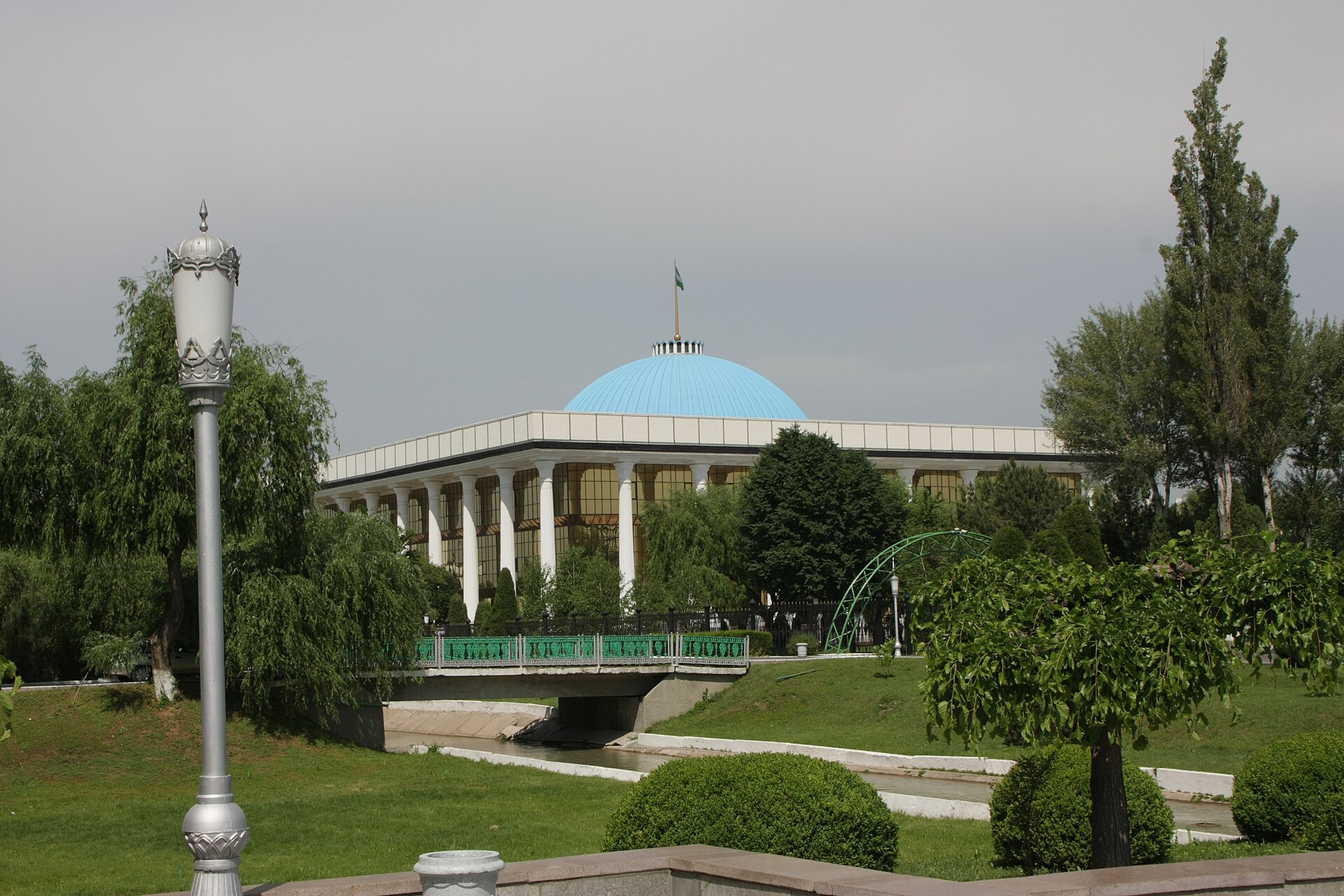
On 20 June 1990, at its second session, the Supreme Soviet (Supreme Council) of the Uzbek SSR adopted the Declaration of State Sovereignty of the Uzbek SSR. This document was not a proclamation of full independence, but one of the decisive steps leading to it. Below, the declaration's content and its historical place are set out with facts (sources: Kun.uz, Britannica, and academic works on the dissolution of the USSR).
What the declaration proclaimed
The declaration proclaimed the primacy of Uzbekistan's republican legislation over Union (Soviet) law and placed both domestic and foreign policy under the republic's jurisdiction — a claim of the “primacy of republican law,” not independence itself. The document expressed commitment to building a democratic state governed by the rule of law (to be defined by a national referendum) and guaranteed the political, economic, ethnic and cultural rights of all nations and nationalities living in the republic, including the development of their mother tongues.
The “parade of sovereignties” context
The declaration was adopted during the Soviet “parade of sovereignties” (1988–1990). Uzbekistan was the eighth of the 15 Union republics to proclaim sovereignty. Russia (the RSFSR) had adopted its own sovereignty declaration just eight days earlier, on 12 June 1990. The wave had been led by the Baltic republics: Estonia (16 November 1988, first), Lithuania (26 May 1989) and Latvia (28 July 1989).

The “war of laws”
These declarations asserted the primacy of the republic's authority over central (Union) power within its own territory, triggering the legal conflict known as the “war of laws” with Moscow. Each republic began placing its own laws above Union laws — one of the important signs of the weakening and eventual collapse of the USSR.
Islam Karimov and the presidency
Islam Karimov had become First Secretary of the Central Committee of the Communist Party of Uzbekistan in June 1989. On 24 March 1990, the Supreme Soviet of the Uzbek SSR established the post of president and elected Karimov as the first president of the Uzbek SSR (the sole candidate; 491 votes in favor, 7 against). Thus a presidential institution existed in the republic three months before the sovereignty declaration was adopted.
The 1989 language law
In the same context of national revival, on 21 October 1989 the Supreme Soviet adopted the law “On the State Language,” granting the Uzbek language state-language status. That date is now marked each year as the “Day of the Uzbek Language.” The language law and the sovereignty declaration were links in a single chain of national self-assertion.
The road to independence
The 1990 sovereignty declaration was not independence itself, but a step toward it. Following the August 1991 coup attempt in Moscow, Uzbekistan declared full state independence on 31 August 1991; Independence Day is celebrated on 1 September.
29 December 1991: referendum and election
On 29 December 1991 an independence referendum was held and approved with about 98% in favor on a turnout of about 94%. On the same day the first direct presidential election took place: Islam Karimov won with about 87.14% of the vote, while Muhammad Salih of the Erk party took about 12.49% — the only Uzbek presidential election to date with a genuine opposition candidate.
