Kyrgyzstan Is Cleaning Up the Soviet-Era Mailuu-Suu Uranium Legacy
Central Asia's largest uranium legacy site holds about 2 million cubic metres of radioactive waste. With an EBRD grant, remediation is set to run through 2032.
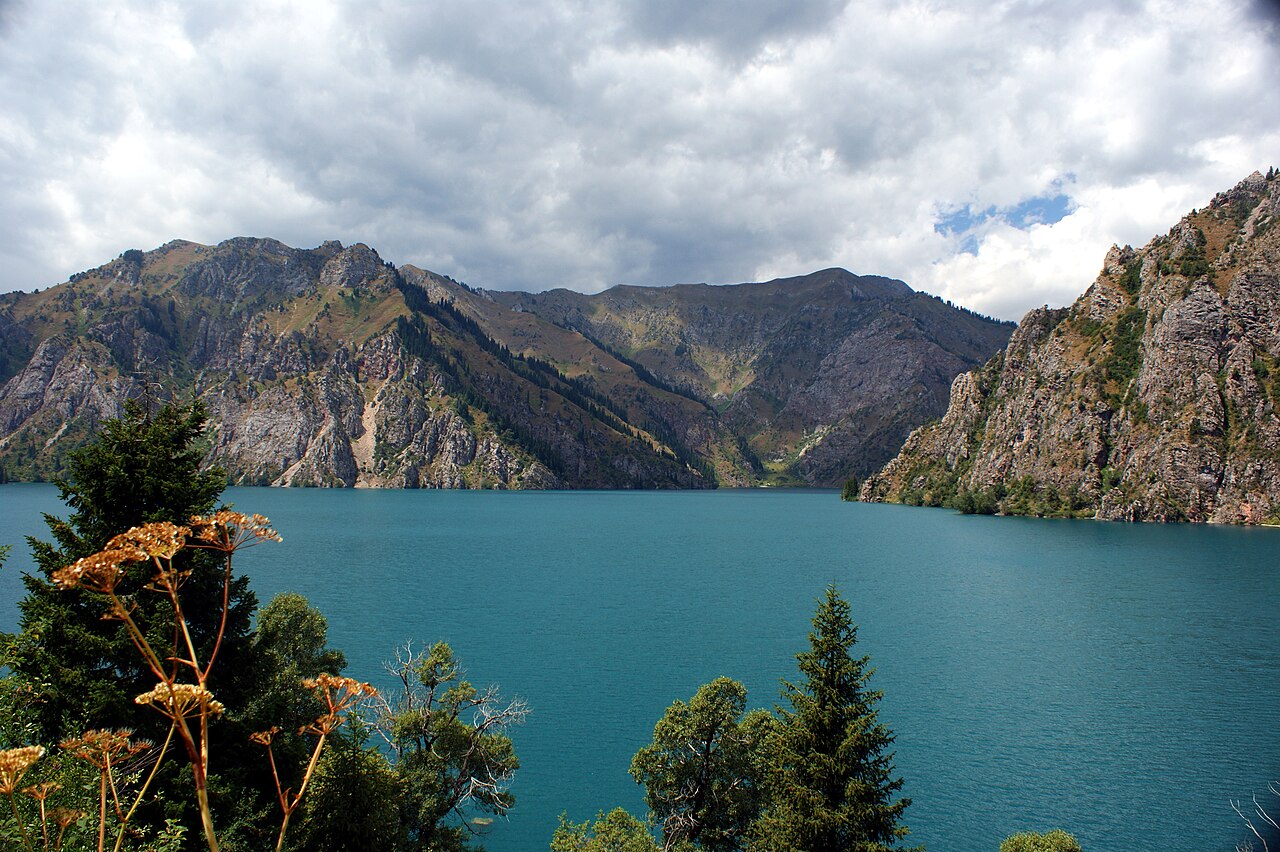
Kyrgyzstan is cleaning up its Soviet-era uranium legacy. The town of Mailuu-Suu in the country's mountainous southwest is Central Asia's largest and most complex uranium legacy site, holding about 2 million cubic metres of radioactive tailings.
What kind of town is Mailuu-Suu?
Mailuu-Suu is a former uranium town in Kyrgyzstan's Jalal-Abad region (the mountainous southwest). It was founded in 1946 and originally codenamed "Mailbox 200." Uranium mining and milling ended in the late 1960s.
The town lies about 10 km from the Uzbek border. In May 2002 a mudslide blocked the river and threatened a waste site. In 2023 the Turkey–Syria earthquake prompted additional stability checks.
The regional cleanup plan
A regional cleanup plan for Central Asia's uranium legacy sites began in 2017. Since then, 4 of 7 priority sites have been remediated:
- Min-Kush and Shekaftar — Kyrgyzstan
- Charkesar and Yangiabad — Uzbekistan
- Istiklol/former Taboshar — Tajikistan (partially completed by 2023)
The Degmay site in Tajikistan is still unfunded — it needs about €42.9 million.
The most complex site
Mailuu-Suu is the largest and most complex site, holding about 2 million cubic metres of radioactive tailings. When engineers discovered tailings within a dam structure, the design was changed and costs rose; the waste is being relocated to safer locations.
We offered relocating the people, but they refused. Home is home.
— Rakhmanbek Toichuyev, Osh-based researcher (The Times of Central Asia)
Danakan Primkulova, a member of the Mailuu-Suu women's committee, adds: "Instead of being afraid, we're trying to do something about it."
Funding
The works are funded through the EBRD's Environmental Remediation Account (ERA) for Central Asia. A €23 million ERA grant for Mailuu-Suu was signed on 16 May 2023. It was signed by Boobek Ajikeev, the Kyrgyz Minister of Emergency Situations, and Balthasar Lindauer, Director of the EBRD's Nuclear Safety Department.
The grant enables about seven years of remediation works and covers and stabilises the 2 million cubic metres of tailings. The total estimated EBRD programme cost is about €113 million; ERA contributions reached about €70 million by the end of 2025.
Timeline
- July 2024 — mine-closure work at Mailuu-Suu was completed ahead of schedule
- June 2026 — Kyrgyzstan published a proposal for a unified monitoring system
- 2032 — expected overall completion of the cleanup
By the numbers
- Radioactive tailings: about 2 million m³
- EBRD ERA grant: €23 million (16 May 2023)
- Sites remediated: 4/7
- Distance to the border: about 10 km
- Total EBRD programme cost: about €113 million
- ERA contributions (by end-2025): about €70 million
- Degmay (unfunded): €42.9 million
- Expected completion: 2032