Kazakhstan Exports Billions in Gold but Records Just $7.2 Million in Jewellery Output
Three destinations took roughly $2 billion of Kazakh gold in 2025. The government is tightening hallmarking and control over precious-metal turnover.
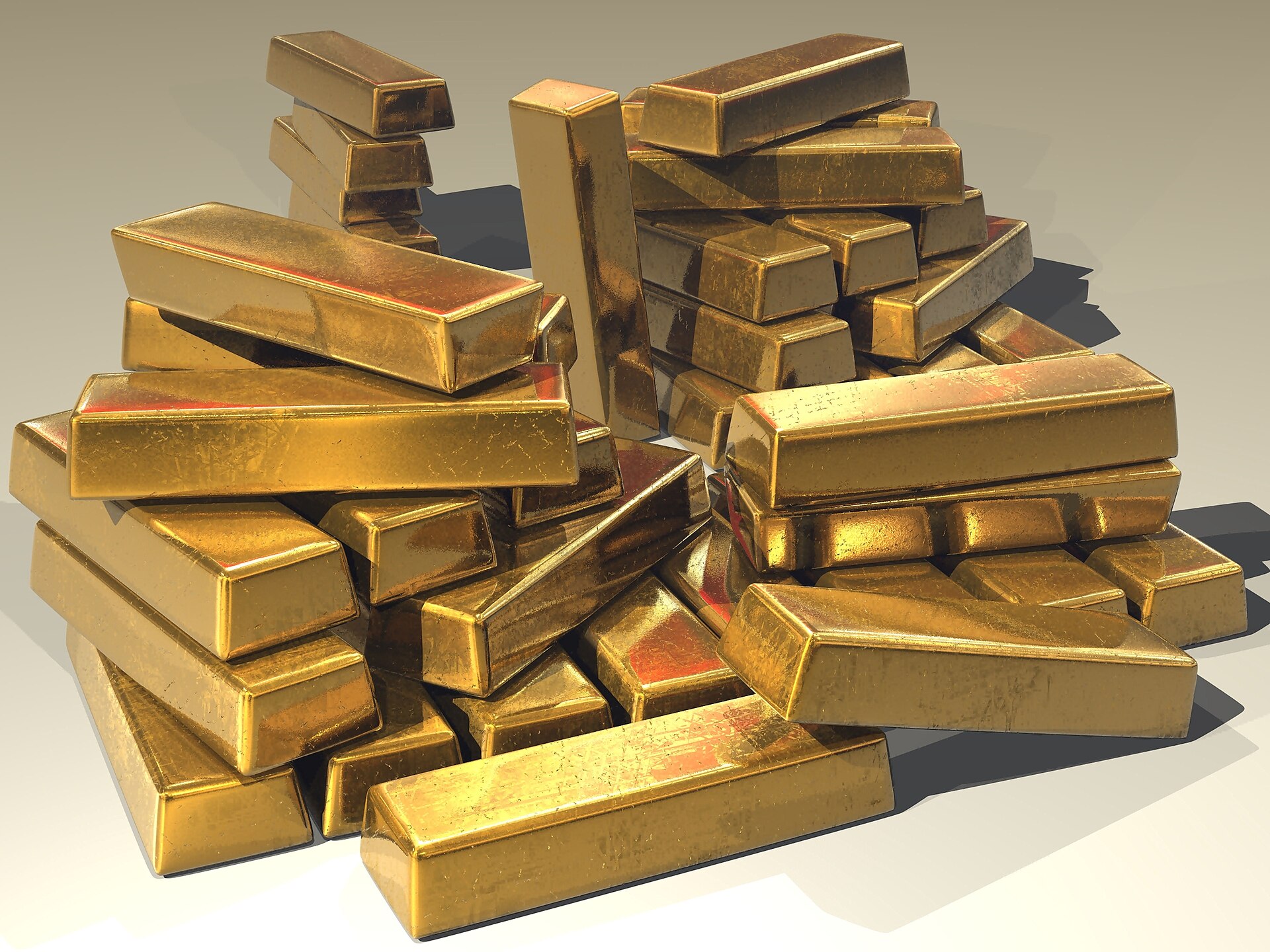
Kazakhstan exports gold worth billions of dollars, yet officially recorded domestic jewellery production came to just $7.2 million in 2025.
According to The Times of Central Asia, unwrought and semi-manufactured gold went from Kazakhstan to the following destinations in 2025:
- Switzerland — $1.1 billion
- United Kingdom — $561 million
- Azerbaijan — $262 million
Together the three destinations account for roughly $2 billion.
The domestic market
The domestic jewellery market was valued at $168 million in 2025, up 3.4% on 2024. Officially recorded production stood at $7.2 million, a 31% increase over the year.
Jewellery exports reached $65.4 million in 2025.
Hallmarking: from 45 to 959
A hallmark certifies the fineness of a precious metal and shows that a piece has passed through the legal control system — one of the few measurable indicators in the sector.
The number of market participants submitting items for mandatory hallmarking rose from 45 in 2024 to 959 in 2025.
Even so, that is about 27% of the 3,520 taxpayers registered in the jewellery trade.
The shadow market
The League of Jewelers estimated in 2024 that the shadow jewellery market is worth $850–960 million a year. That year the League said as much as 99% of the market was operating in the shadows.
The overall shadow economy's share of GDP fell from 17.58% in 2023 to 15.69% in 2025.
Pawnshops sent 3.2 tonnes of precious-metal scrap to Tau-Ken Altyn in 2025, down from 3.8 tonnes in 2024.
The government meeting
On 16 September a government meeting on combating the shadow economy and the illegal circulation of precious metals was chaired by Serik Zhumangarin, Deputy Prime Minister and Minister of National Economy.
We have major jewelry centers, and it is important to preserve this heritage and bring as much of the industry as possible into the legal economy.
— Serik Zhumangarin, Deputy Prime Minister and Minister of National Economy of Kazakhstan (The Times of Central Asia, September 2026)
According to The Astana Times, the priorities set at the meeting are:
- improving manufacturers' access to domestically produced gold
- strengthening hallmarking and traceability
- addressing unregistered trade
- supporting larger-scale production
Over the past five years 24 regulatory acts have been adopted against the shadow economy and 20 information systems have been modernised.
By the numbers
- Gold exports 2025: Switzerland $1.1bn, UK $561m, Azerbaijan $262m
- Domestic jewellery market: $168m (2025, +3.4%)
- Officially recorded production: $7.2m (2025, +31%)
- Jewellery exports: $65.4m (2025)
- Hallmarking participants: 45 (2024) → 959 (2025)
- Jewellery taxpayers: 3,520; coverage about 27%
- Shadow market estimate: $850–960m a year (League of Jewelers, 2024)
- Shadow economy / GDP: 17.58% (2023) → 15.69% (2025)
- Pawnshop scrap to Tau-Ken Altyn: 3.2 t (2025), 3.8 t (2024)
- Government meeting: 16 September 2026
Why it matters
In the jewellery trade gold circulates through workshops, pawnshops, imports and the melting down of old pieces. Because formal accounting across that chain is difficult, hallmarking figures serve as the main measuring tool.
The direction the government has announced is a shift from raw-material exports towards finished production, and bringing more of the turnover into the formal economy.