How the Qurbani (Eid al-Adha sacrifice) is performed: rules, conditions and meaning
Qurbani (Arabic: udhiyah) is the sacrifice of a designated animal for the sake of God on the days of Eid al-Adha. It commemorates the story of Prophet Ibrahim. Below, when and on whom it is due, which animals qualify, how the meat is distributed and the differences between the schools are explained using broadly accepted sources, primarily the Hanafi school.
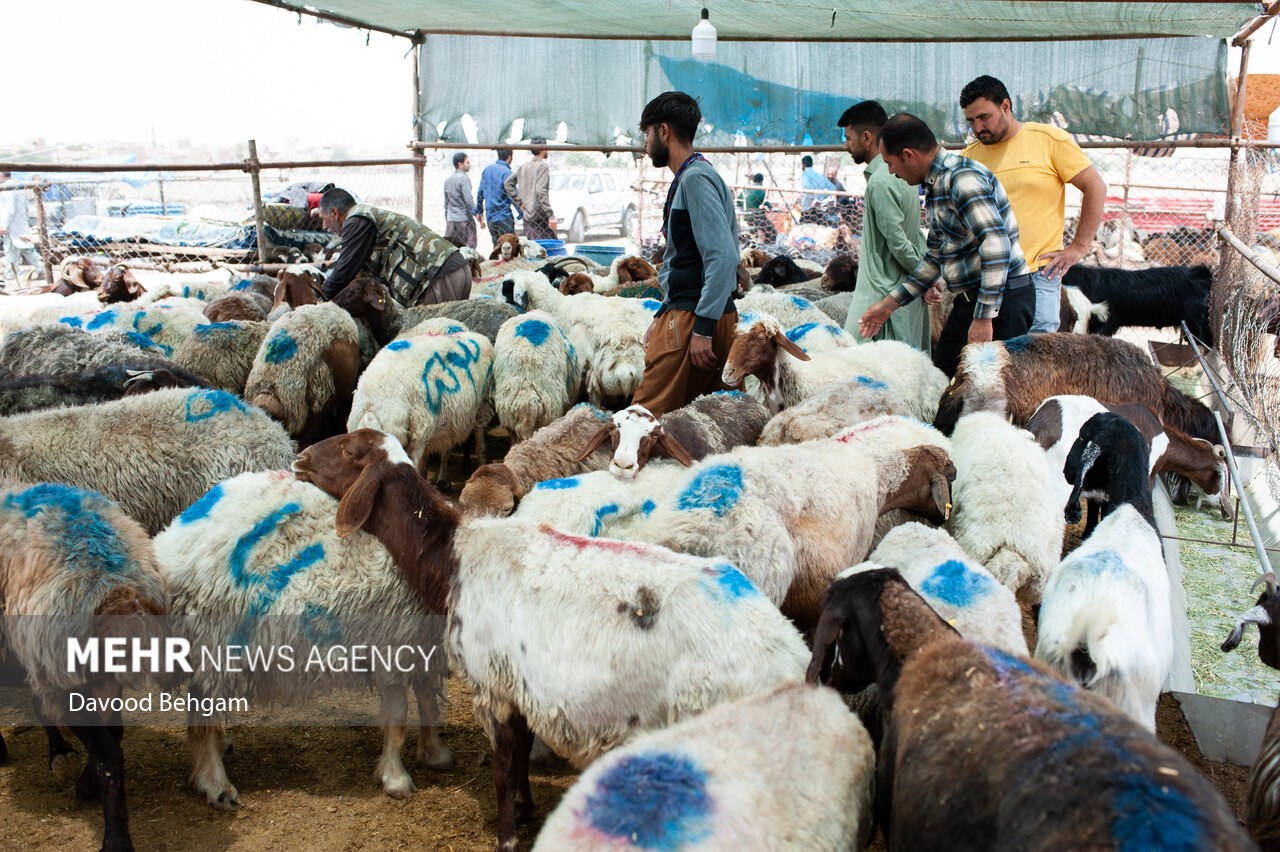
The Qurbani is one of the most important acts of worship for Muslims and is performed on the days of Eid al-Adha. Below, what the Qurbani is, when and on whom it is due, which animals are sacrificed and how the meat is distributed are set out using broadly accepted religious sources. It leans on the Hanafi school, which predominates in Uzbek society; where the schools differ, that is noted.
What the Qurbani is
Qurbani (Arabic: udhiyah) is the sacrifice of a designated animal (sheep, goat, cow/ox or camel) for the sake of God, according to Islamic rules, on the days of Eid al-Adha. It commemorates the account of Prophet Ibrahim, who was willing to sacrifice his son, upon which God sent a ram in his place. The Qur'an (Surah Al-Hajj 22:37) stresses that the essence of the sacrifice is taqwa (God-consciousness): neither the meat nor the blood reaches God, but the piety of the worshippers does.
When it is performed
The Qurbani begins on the 10th of Dhul-Hijjah — the day of Eid al-Adha. In the Hanafi school the time to slaughter begins after the Eid prayer and lasts three days, until sunset on the 12th of Dhul-Hijjah. Those living in a city or a place where the Eid prayer is held slaughter after the prayer; where no Eid prayer is held, slaughter may be done after dawn.

On whom it is due
In the Hanafi school the Qurbani is obligatory (wajib) on every Muslim who is adult, of sound mind, free, resident (not a traveler) and possesses wealth to the value of the nisab. In simple terms, whoever is liable for zakat — or has comparable surplus wealth during the days of Qurbani — is also liable for the Qurbani. It is not obligatory on the poor who do not reach the nisab.
Which animals are sacrificed
Eligible animals are sheep and goats (over one year old), cows/oxen and cattle (over two years old) and camels (over five years old). A sheep or goat counts as the Qurbani of one person; in a cow/ox or camel up to seven people may share. The animal must be free of defects and healthy: a blind or one-eyed, lame, emaciated animal, or one with much of its ear or tail cut off, may not be sacrificed.
How the meat is distributed
Dividing the Qurbani meat into three portions is recommended (mustahabb): one part for oneself and one's family, one part for relatives and friends, and one part for the poor and needy. The owner may also eat from it. The hide or meat may not be given to the butcher as his wage; the butcher is paid separately.
Meaning and a note
The main purpose of the Qurbani is to show taqwa — obedience and sincerity to God through a material sacrifice — and to help the needy. For this reason it is recommended that a share of the meat reach the poor. Fasting is prohibited on the days of Eid al-Adha (10–13 Dhul-Hijjah).
Differences between the schools
The schools differ on the ruling: in the Hanafi school the Qurbani is wajib on one who meets the conditions, while in the Shafi'i, Maliki and Hanbali schools it is a confirmed sunnah (sunnah mu'akkadah). They also differ on the duration: three days (10–12 Dhul-Hijjah) in the Hanafi school, up to four days (10–13 Dhul-Hijjah) in some others. Scholars also differ on giving the value of the animal as charity instead of slaughtering it.
