The 126-Megawatt Sarimay Solar Plant in Khorezm Comes Fully Online
184,328 panels have been installed at the plant; annual output is roughly 252 gigawatt-hours. Uzbekistan plans to add 6.7 GW of new capacity by the end of 2026.
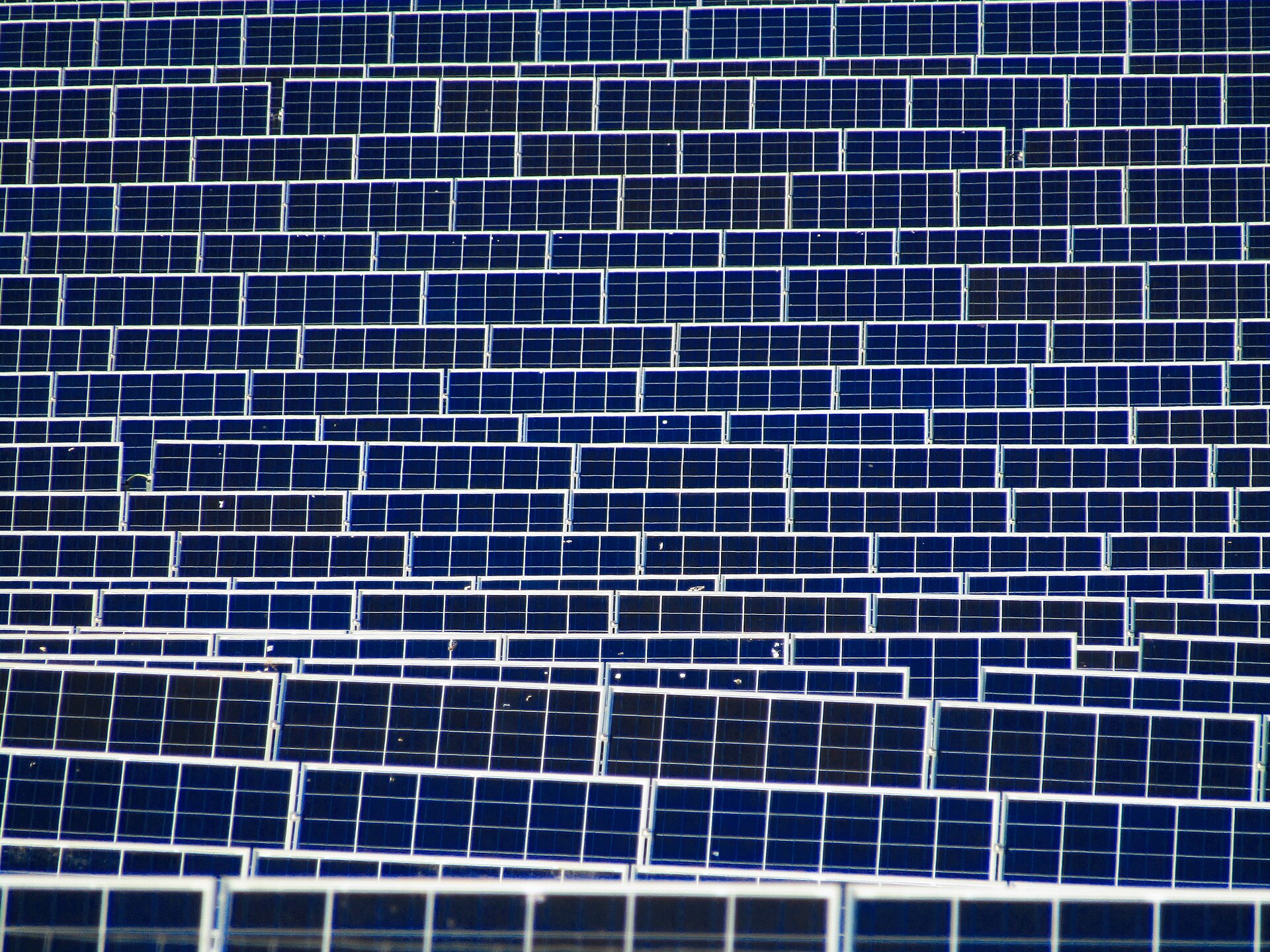
It was announced that the 126-megawatt Sarimay solar power plant in Uzbekistan's Khorezm region has been brought fully online and is supplying electricity to the national grid. 184,328 solar panels have been installed on the project.
According to official estimates, the plant will generate roughly 252 gigawatt-hours of electricity a year. That is equivalent to the electricity needs of about 60,000 people.
Why Khorezm was chosen
The Khorezm region lies in the lower reaches of the Amu Darya, in an arid climate zone. A high number of sunny days and relatively flat terrain create favorable conditions for solar energy.
At the same time, the region sits at the center of environmental problems associated with the drying of the Aral Sea. Renewable energy projects are also seen here as a source of jobs and infrastructure.
The national energy plan
Uzbekistan plans to add 6.7 gigawatts of new capacity to its energy system by the end of 2026. The plan breaks down as follows:
- Solar: 2.8 GW
- Thermal (gas) power plants: 2.5 GW
- Energy storage systems (batteries): 884 MW
- Wind: 470 MW
- Hydropower: 68 MW
By the end of 2025, the country's total generating capacity stood at 25.8 GW; of that, 8 GW, or roughly 31 percent, came from renewable sources.
The target for 2030 is 27 gigawatts of renewable capacity including hydropower, and 40 percent of total electricity generation from such sources.
Why energy storage matters
Output from solar and wind plants varies over the course of the day and by season. With a high share of such sources, energy storage systems are needed to maintain grid stability.
For that reason, 884 megawatts of storage capacity appears as a separate item in the 2026 plan. This indicator represents a relatively new area for the region.
The climate backdrop
The summer of 2026 was recorded as the second-hottest in Uzbekistan's observational history. Rising summer temperatures increase demand for air conditioning and intensify peak loads on the power grid.
Neighboring Kyrgyzstan announced an $850 million climate adaptation plan in September 2026. Water and energy issues are closely intertwined in the region: hydropower output depends on river flows, and flows in turn depend on glaciers and precipitation patterns.
Open questions
The official announcements did not disclose in detail the Sarimay project's total cost, its financing structure or the tariff terms of the power purchase agreement.
How solar power works
Photovoltaic (PV) plants convert sunlight directly into electricity. Their output varies over the course of the day: rising in the morning, peaking at midday and falling to zero in the evening.
There is therefore a difference between a solar plant's installed capacity (megawatts) and its actual output (gigawatt-hours). In Sarimay's case, 126 MW of capacity corresponds to roughly 252 GWh of output a year.
That figure implies a capacity utilization factor of roughly 23 percent — a typical level for arid, sunny regions.
The question of grid stability
As the share of renewable sources grows, managing the power grid becomes more complex. Flexible generating capacity or energy storage systems are needed to offset fluctuations in output during the day.
Uzbekistan's 2026 plan lists 884 megawatts of energy storage capacity as a separate item. Battery storage systems make it possible to accumulate excess daytime output and return it to the grid during the evening peak load.
The shift in the energy balance
By the end of 2025, Uzbekistan's total generating capacity stood at 25.8 GW, of which 8 GW (roughly 31 percent) came from renewable sources. Hydropower is included in this figure.
The target for 2030 is 27 gigawatts of renewable capacity and 40 percent of total electricity generation from such sources.
The traditional foundation of the country's energy sector is natural gas. Directing gas reserves to domestic consumption and reducing export volumes has been one of the trends of recent years.
Climate and demand
Rising summer temperatures increase demand for air conditioning, which intensifies the summer peak load on the power grid. The summer of 2026 was recorded as the second-hottest in Uzbekistan's observational history.
Solar plants reach maximum output in precisely this period, making them a relatively good match for summer demand. Winter peak loads, however, require other sources.
The regional backdrop
Energy and water issues are intertwined in Central Asia. Hydropower output depends on river flows, and flows in turn depend on the condition of glaciers and precipitation patterns. International reports indicate that the volume of the region's glaciers has shrunk by roughly 30 percent compared with the last century.
For that reason, developing solar and wind energy is seen by the region's states not only as a climate commitment but also as a matter of energy security.
Kyrgyzstan announced an $850 million climate adaptation plan in September 2026; Uzbekistan, meanwhile, is developing an adaptive social protection strategy with the World Bank and UNICEF.
The investment model
Renewable energy projects in Uzbekistan are carried out mainly on the basis of long-term power purchase agreements (PPAs) concluded with private investors. Under these, a state company undertakes to buy electricity at a set tariff.
The tariff terms of such agreements are generally treated as commercial secrets; because they have a long-term effect on the state budget, transparency is one of the subjects discussed in international practice.
About the Khorezm region
Khorezm is a region in northwestern Uzbekistan, located in the lower reaches of the Amu Darya. Its administrative center is the city of Urgench; the region also contains the city of Khiva, inscribed on the UNESCO World Heritage List.
The traditional foundation of the region's economy is irrigated farming. Growing cotton, rice and vegetables depends directly on the water supply, so a decline in the Amu Darya's flow is a direct risk for local farms.
Tourism is another developing area. From Sept. 3, 2026, Kazakhstan's FlyArystan airline began direct flights twice a week on the Almaty–Urgench route.
Equipment and suppliers
184,328 panels have been installed at the plant. The panels were supplied by a Chinese manufacturer — reflecting the general picture in the global solar market: most photovoltaic module production is concentrated in China.
Falling module prices in recent years have significantly reduced the cost of solar projects, accelerating the commissioning of new capacity in emerging markets.
At the same time, the concentration of the supply chain in a single country is also discussed as a risk; countries such as Japan, South Korea and the United States are seeking alternative sources — including through critical minerals in Central Asia.
A final report on the implementation of the 6.7 GW plan for 2026 is expected at the end of the year.